
Invertebrate
Colpoda cucullus
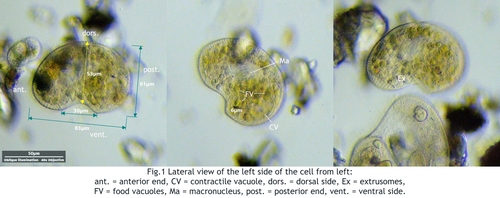
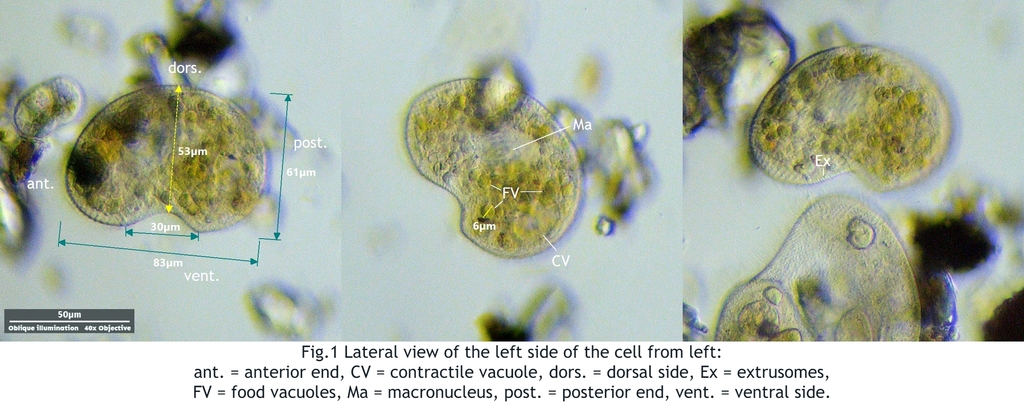
Colpoda cucullusRenowned for its distinctive kidney-shaped cell, this single-celled ciliate thrives in soil, moss, and temporary freshwater pools across the globe. It plays a foundational role in soil microbial food webs by consuming vast quantities of bacteria and recycling nutrients back into the ecosystem. When moisture vanishes, it secretes a tough protective wall to enter cryptobiosis as a dormant cyst, surviving complete desiccation for months or years until water returns.
MicroscopicCiliateBacterivore
—observations
—countries
—peak records
Not EvaluatedConservation statusIUCN Red List categoriesLCNTVUENCREWEXNot Evaluated — not placed on the risk ladderRed List categories, explained →
Diet & preyBacteria, Cyanobacteria
Predators
- Predatory nematodes
- Rotifers
- Amoebae
ThreatsSevere soil pollution, intensive chemical treatments
HabitatsTopsoil, leaf litter, moss, ephemeral freshwater pools
Life spanDays as active trophont, years as dormant cyst
Classification
- OrderColpodida
- FamilyColpodidae
- GenusColpoda
- SpeciesColpoda cucullus
Range data is not available yet.
Interaction riskLow
- Low
- Moderate
- High
- Very high
- Why interaction risk is low
- Safe to observe at a normal distance.
Responsible observation
- Sample collection: Moisten dry moss or rich garden soil with distilled water to revive dormant cysts within hours.
- Microscopy: Use 100x to 400x magnification with phase-contrast or brightfield lighting to track its rolling swim.
Fellow Ciliate (c) Don Loarie, some rights reserved (CC BY) · cc-by
Predator žiadne práva vyhradené, uploaded by David Bird · cc0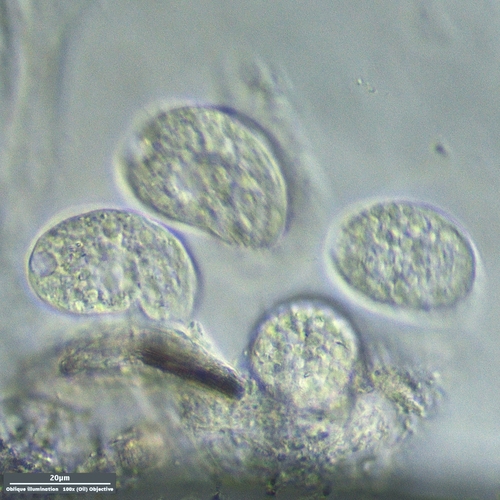
Close Relative (c) Igor Shelpiakov, some rights reserved (CC BY), uploaded by Igor Shelpiakov · cc-by
Help improve the field guideSomething wrong?
Checking your Fauna account…Report a name, category, or profile issue for review.