
Invertebrate · GBIF taxon 7363930
Hairy Snail
Trochulus hispidusAlso known as Bristly Snail, Hairy Land Snail
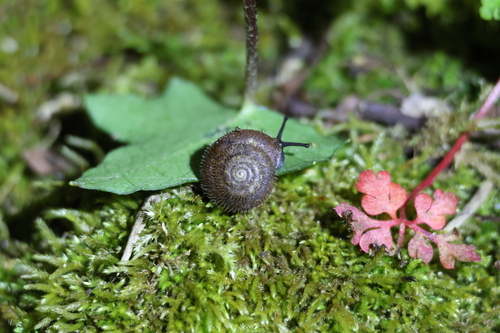
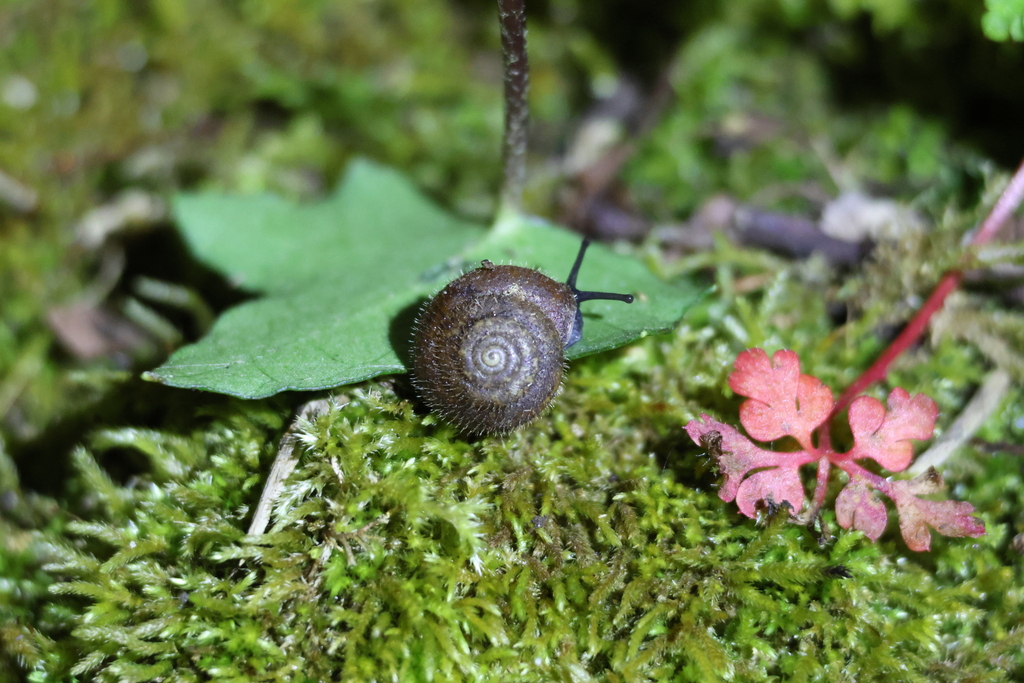
Hairy snails derive their common name from the fine, hair-like projections covering their brown shells, which help them adhere to wet leaves and stem surfaces. Active primarily in high-humidity conditions such as after rain or at night, these small terrestrial mollusks graze on decaying plant matter, fungi, and soft green foliage. They play an essential role as decomposers in European woodland understories, hedgerows, and damp gardens.
TerrestrialMolluskDecomposer
—observations
—countries
—peak records
Least ConcernConservation statusIUCN Red List categoriesLCNTVUENCREWEXLeast ConcernRed List categories, explained →
Diet & prey
- Decaying Leaves
- Micro-fungi
- Seedlings
Predators
- Song Thrush
- Ground Beetles
- Toads
ThreatsPesticide use, severe drought, and habitat drainage
HabitatsDamp woodlands, hedgerows, gardens, and moist grasslands
Life span2–3 years
Classification
- OrderStylommatophora
- FamilyHygromiidae
- GenusTrochulus
- SpeciesTrochulus hispidus
Range data is not available yet.
Interaction riskLow
- Low
- Moderate
- High
- Very high
- Why interaction risk is low
- Safe to observe at a normal distance.
Responsible observation
- Finding Them: Search under damp leaf litter, rotting wood, or low vegetation after rain.
- Handling: Keep hands damp and clean of soap or insect repellent if gently picking them up.
- Observation: Use a hand lens to closely inspect the unique periostracal hairs on the shell.
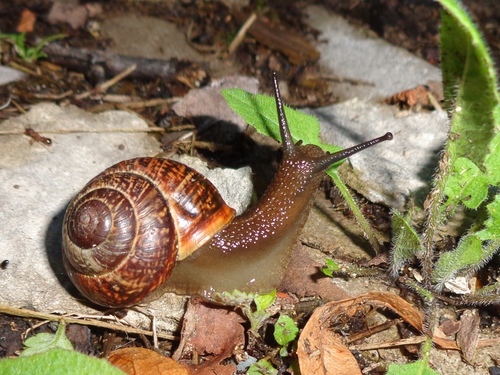
Frequent Companion (c) AfroBrazilian, some rights reserved (CC BY-SA) · cc-by-sa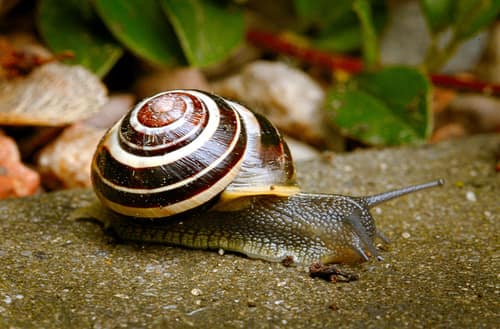
Frequent Companion "White-lipped snail" by hedera.baltica is licensed under CC BY-SA 2.0. To view a copy of this license, visit https://creativecommons.org/licenses/by-sa/2.0/. · cc-by-sa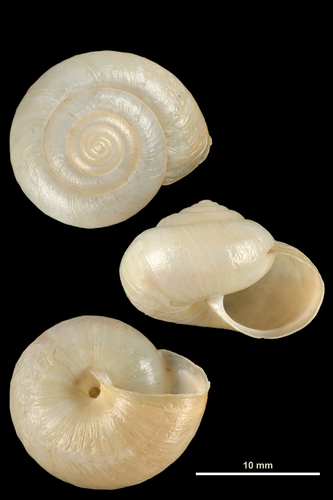
Close Relative (c) Gargominy O., some rights reserved (CC BY) · cc-by
Keep collecting in Fauna
Found in Collections
Ecosystem chain Pro
Secret Garden
Hairy Snail is found in this collection. Identify it in Fauna to fill this slot and continue your progress.
Unlock to track progress
Help improve the field guideSomething wrong?
Checking your Fauna account…Report a name, category, or profile issue for review.