
Reptile
Asian Sunbeam Snake
Xenopeltis unicolorAlso known as Sunbeam Snake, Common Sunbeam Snake, Iridescent Snake
Asian sunbeam snakes spend their days buried beneath damp soil, fallen logs, or leaf litter, emerging after dusk to forage across forest floors and agricultural dikes. Their polished, highly overlapping scales lack pigment in the outer keratin layer, acting as natural prisms that scatter light into shimmering structural rainbow patterns. When disturbed, they vibrate their tails against the ground and release a foul-smelling musk rather than striking.
NocturnalBurrowingIridescent
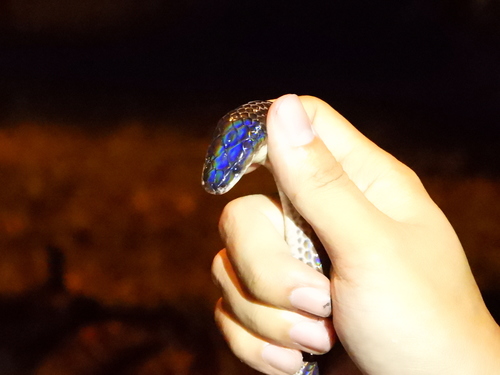
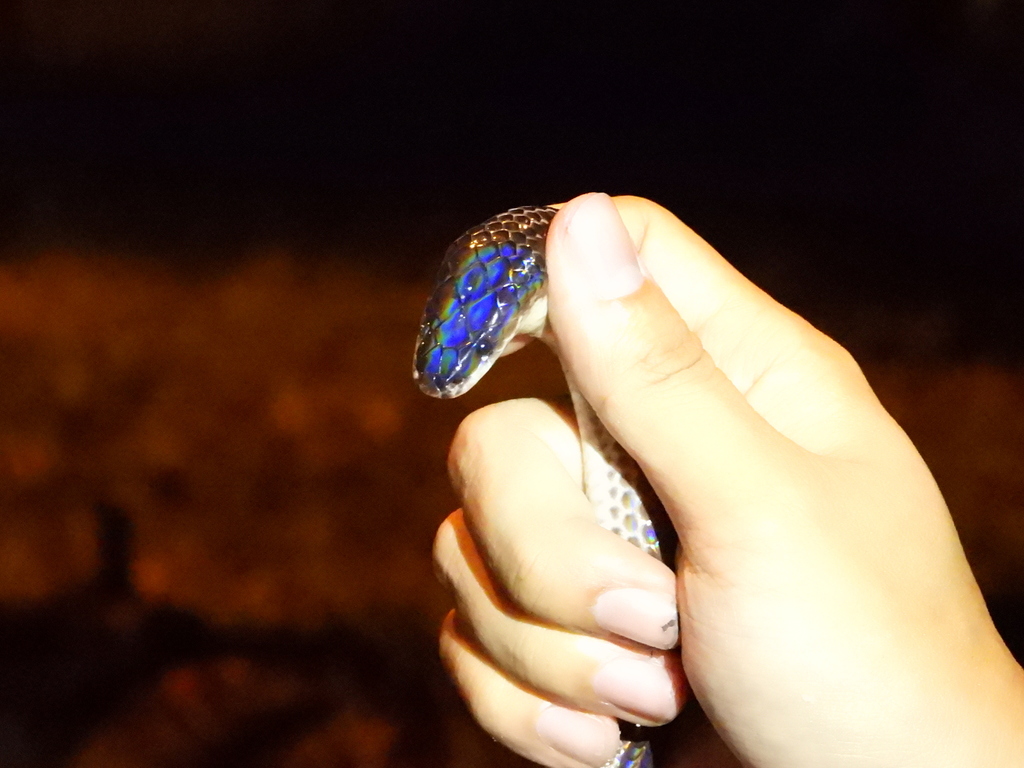
—observations
—countries
—peak records
Least ConcernConservation statusIUCN Red List categoriesLCNTVUENCREWEXLeast ConcernRed List categories, explained →
Diet & preyFrogs, Lizards, Small Rodents
Predators
- King Cobra
- Monitor Lizards
- Birds of Prey
ThreatsHabitat conversion, agrochemical runoff, and collection for the pet and skin trades
HabitatsLowland rainforests, agricultural fields, swamps, and suburban gardens
Life span10–15 years
Classification
- FamilyXenopeltidae
- SpeciesXenopeltis unicolor
Range data is not available yet.
Interaction riskLow
- Low
- Moderate
- High
- Very high
- Why interaction risk is low
- Non-venomous and timid, but wild individuals may nip if roughly restrained; observe without handling.
Responsible observation
- Best viewing: Look for individuals on wet asphalt roads or paddy dikes on humid nights after rain.
- Lighting cue: Shine a focused light across their backs at an angle to see vivid spectral colors.
- Respect burrows: Avoid digging through topsoil or peeling bark to prevent destroying resting shelters.
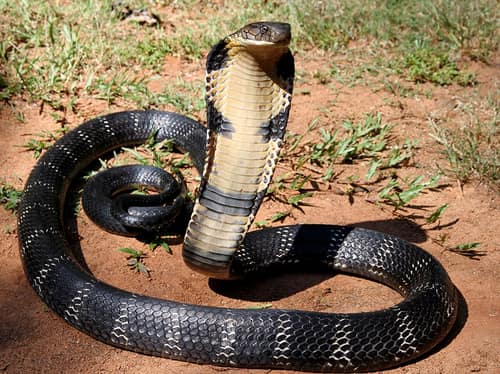
Predator Michael Allen Smith from Seattle, USA / CC BY-SA 2.0 · cc-by-sa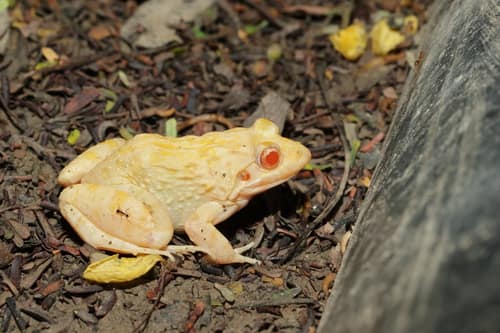
Prey (c) 林正文, some rights reserved (CC BY), uploaded by 林正文 · cc-by Image unavailable
Close Relative
Help improve the field guideSomething wrong?
Checking your Fauna account…Report a name, category, or profile issue for review.