
Bird
Whooping Motmot
Momotus subrufescensAlso known as Tawny-bellied Motmot
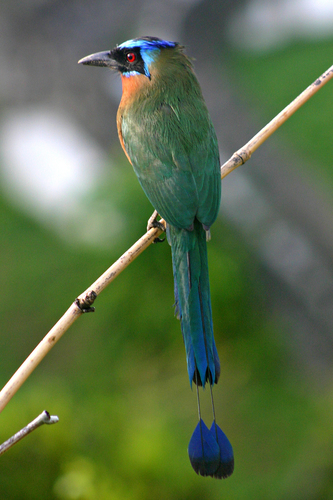
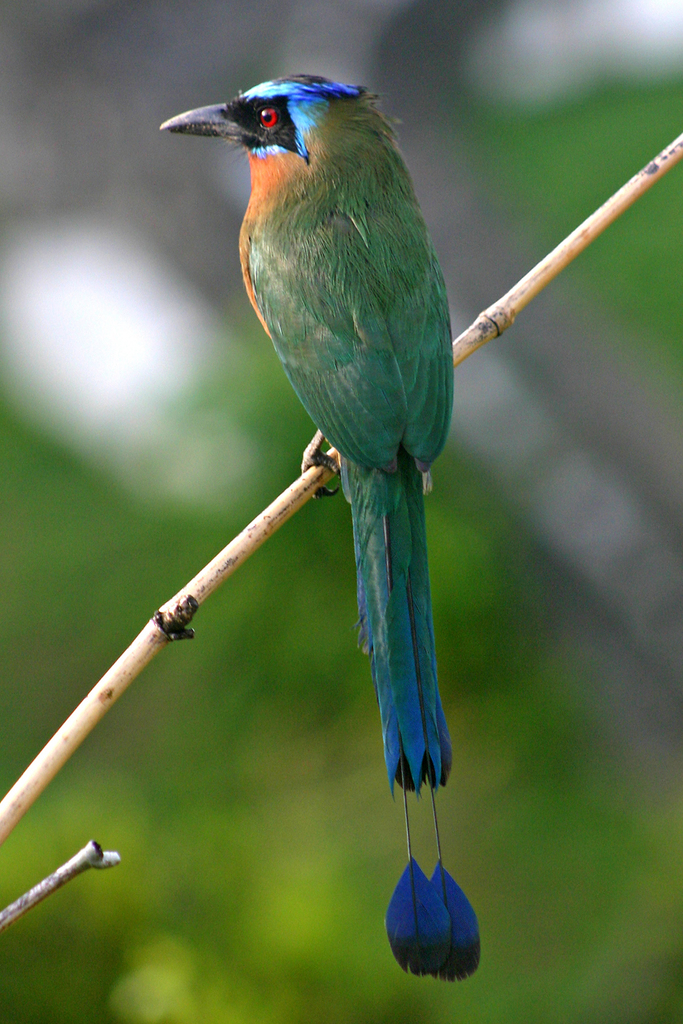
Whooping motmots sit motionlessly for long stretches on shaded mid-story perches before darting down to snatch prey from foliage or the forest floor. When agitated or aware of a nearby predator, they swing their long, racket-tipped tail feathers from side to side like an exaggerated clock pendulum. Mated pairs excavate deep nesting burrows up to four meters long into steep earthen banks and road cuts.
ColorfulTropicalForest Bird
—observations
—countries
—peak records
Least ConcernConservation statusIUCN Red List categoriesLCNTVUENCREWEXLeast ConcernRed List categories, explained →
Diet & preyLarge beetles, Small lizards, Tree frogs
Predators
- Forest falcons
- Tree snakes
- Opossums
ThreatsHabitat loss from deforestation and agricultural expansion
HabitatsTropical dry forests, humid woodland edges, gallery forests, and plantations
Life span8–14 years
Classification
- FamilyMomotidae
- SpeciesMomotus subrufescens
Range data is not available yet.
Interaction riskLow
- Low
- Moderate
- High
- Very high
- Why interaction risk is low
- Safe to observe at a normal distance.
Responsible observation
- Spotting: Listen for their low, owl-like double hoot at dawn or scan shaded mid-story perches.
- Tail motion: Watch for rhythmic pendulum-like tail swings when the bird becomes alert.
- Breeding season: Keep clear of steep dirt banks where pairs excavate fragile nesting burrows.
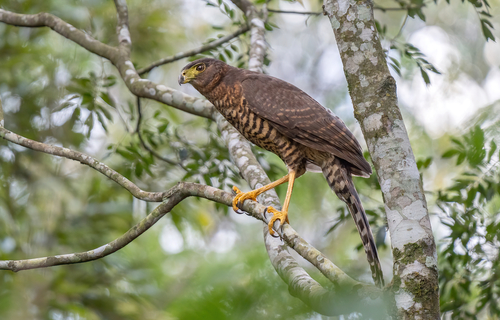
Predator (c) Luciano Massa, some rights reserved (CC BY), uploaded by Luciano Massa · cc-by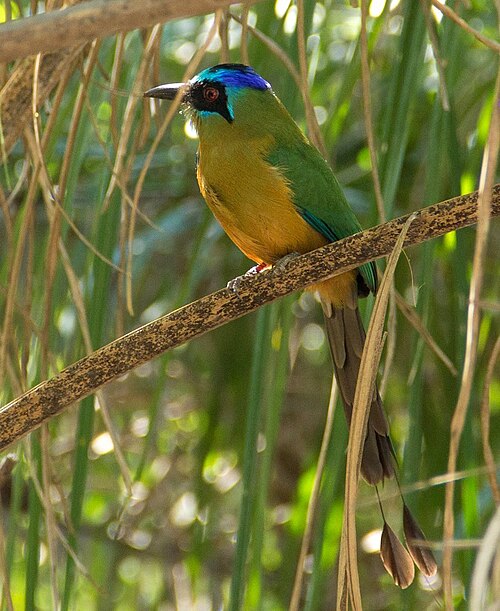
Close Relative Paulo Antonio Santos / CC BY 3.0 · cc-by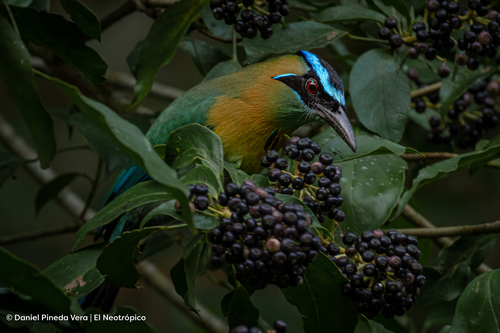
Close Relative (c) Daniel Pineda Vera, some rights reserved (CC BY) · cc-by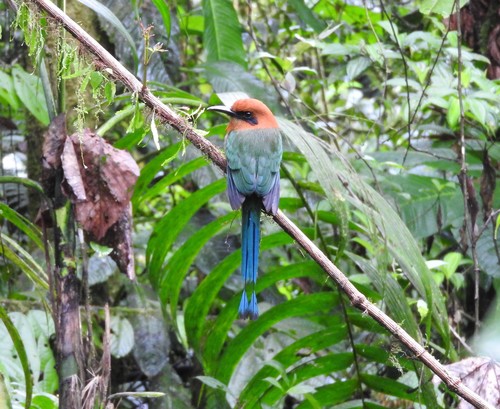
Family Member (c) nmoorhatch, some rights reserved (CC BY), uploaded by nmoorhatch · cc-by
Help improve the field guideSomething wrong?
Checking your Fauna account…Report a name, category, or profile issue for review.