
Bird
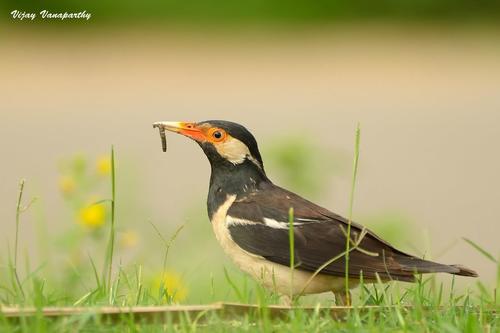
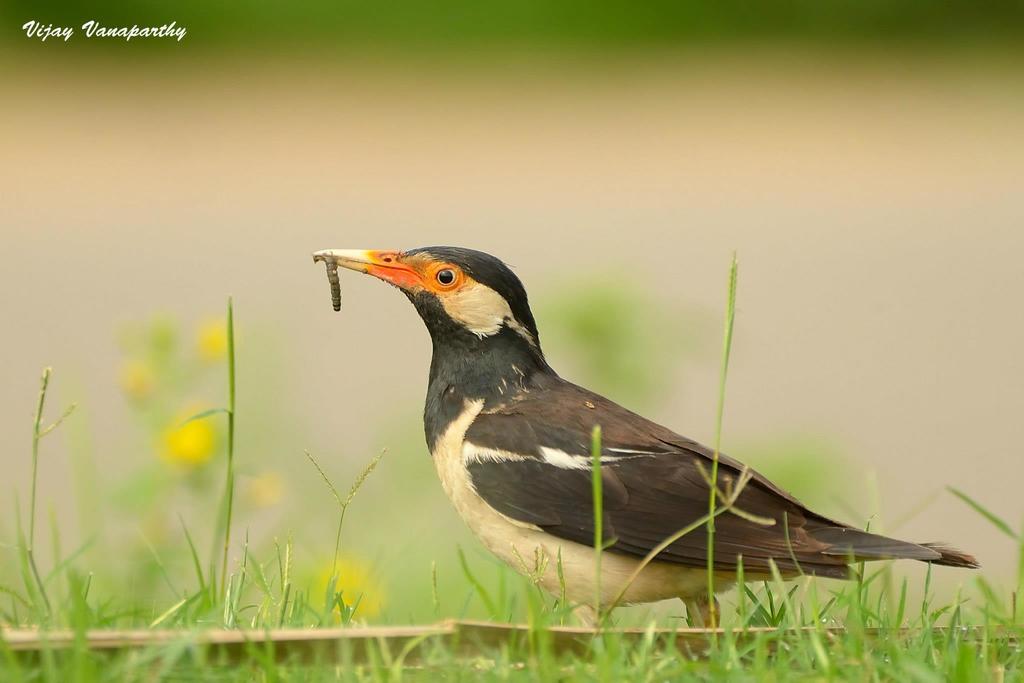
Indian Pied Starling
Gracupica contraAlso known as Indian Pied Myna, Pied Myna, Asian Pied Starling
Indian pied starlings roam open plains, agricultural margins, and parklands in lively pairs or small noisy family flocks. They forage on the ground with a deliberate walking gait, probing damp soil and leaf litter for insects, fallen fruit, and spilled grain. Pairs construct large, untidy domed nests from twigs, dry grass, and synthetic litter high in electric pylons or mature trees, defending their patch with buoyant liquid whistles.
VocalGregariousUrban Wildlife
—observations
—countries
—peak records
Least ConcernConservation statusIUCN Red List categoriesLCNTVUENCREWEXLeast ConcernRed List categories, explained →
Diet & preyGrasshoppers, Earthworms, Wild Figs
Predators
- Domestic Cat
- Black Kite
- Barn Owl
ThreatsPesticide poisoning in agricultural fields, habitat degradation, nest site loss
HabitatsCultivated fields, open plains, marshes, suburban gardens, village edges
Life span5–8 years
Classification
- OrderPasseriformes
- FamilySturnidae
- GenusGracupica
- SpeciesGracupica contra
Range data is not available yet.
Interaction riskLow
- Low
- Moderate
- High
- Very high
- Why interaction risk is low
- Safe to observe at a normal distance.
Responsible observation
- Observation: Look along plowed furrows and village pastures where pairs walk deliberately while probing turf.
- Listening: Tune in for a series of rich, bubbling whistles mixed with harsh scolding notes delivered from rooftops.
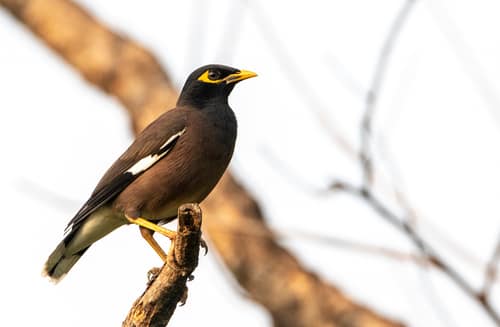
Competitor (c) David F. Belmonte, some rights reserved (CC BY), uploaded by David F. Belmonte · cc-by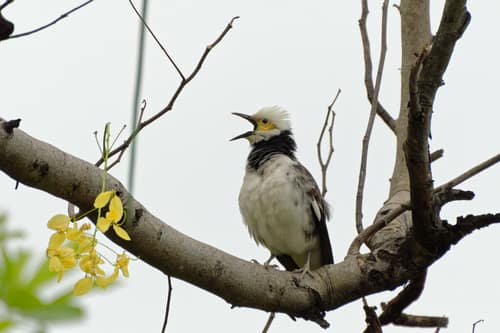
Close Relative (c) Donald Davesne, some rights reserved (CC BY) · cc-by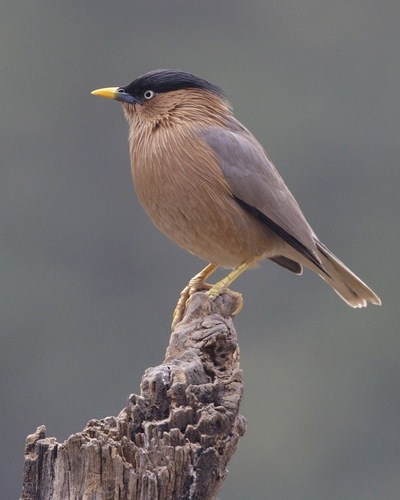
Same Family (c) Lip Kee Yap, some rights reserved (CC BY-SA) · cc-by-sa Image unavailable
Same Family
Help improve the field guideSomething wrong?
Checking your Fauna account…Report a name, category, or profile issue for review.