
Bird · GBIF taxon 7340924
Australasian Figbird
Sphecotheres vieillotiAlso known as Green Figbird, Southern Figbird
Male Australasian figbirds stand out with vivid crimson patches of bare skin around their eyes, contrasting sharply with their olive-green upperparts and dark caps. These social songbirds gather in noisy flocks to harvest wild figs, palm fruits, and native berries high in the canopy of coastal forests and leafy suburban parks. Breeding pairs weave flimsy, cup-shaped hammock nests suspended from outer foliage, often forming loose colonies alongside other bird species.
FrugivorousFlockingColorful
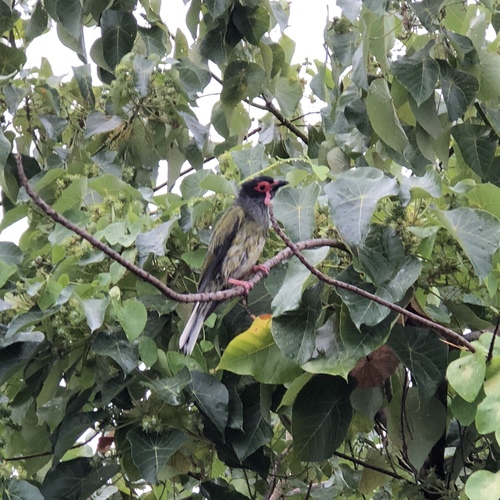
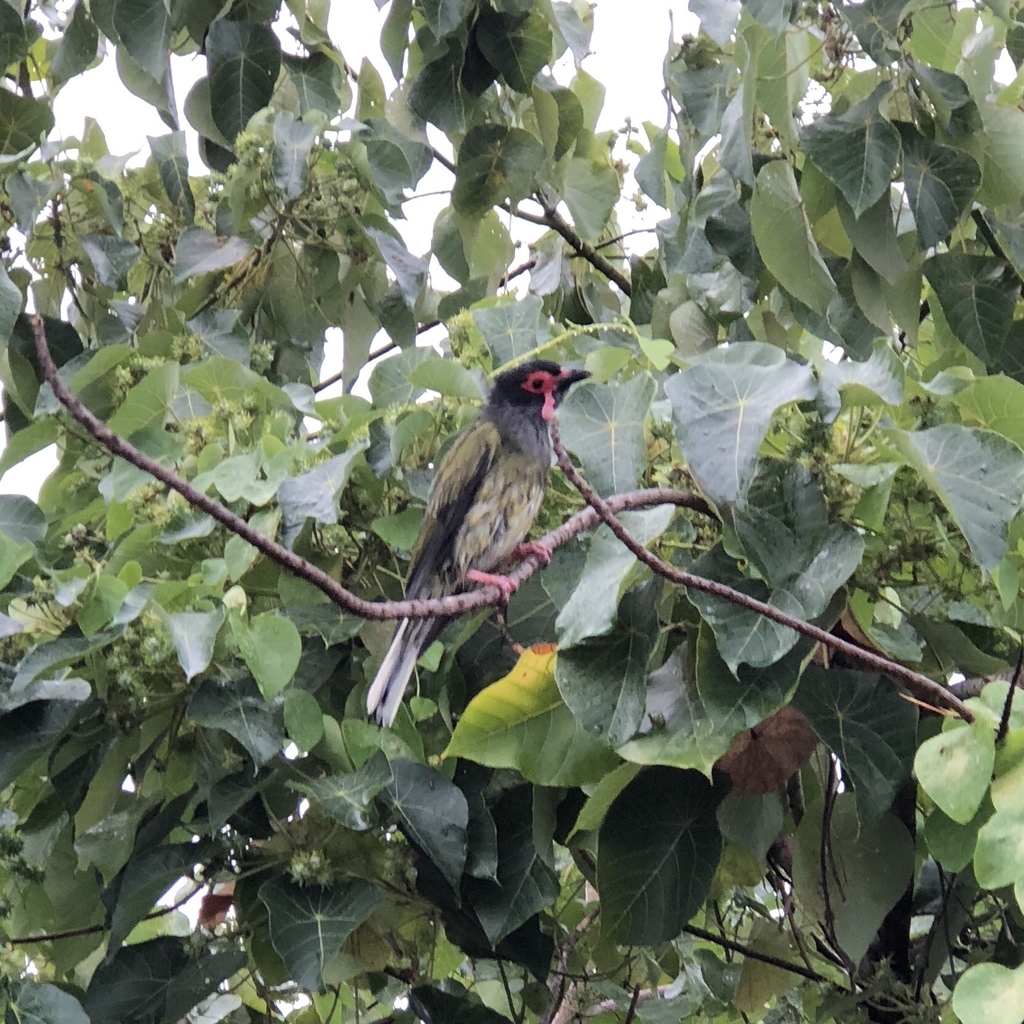
—observations
—countries
—peak records
Least ConcernConservation statusIUCN Red List categoriesLCNTVUENCREWEXLeast ConcernRed List categories, explained →
Diet & prey
- Wild Figs
- Palm Berries
- Insects
Predators
- Goshawks
- Falcons
- Pied Currawongs
ThreatsHabitat clearance, forest fragmentation, and collisions with windows
HabitatsRainforests, open woodlands, mangroves, parks, and suburban gardens
Life span10–12 years
Size / weightNot available
Classification
- FamilyOriolidae
- SpeciesSphecotheres vieilloti
Range data is not available yet.
Interaction riskLow
- Low
- Moderate
- High
- Very high
- Why interaction risk is low
- Safe to observe at a normal distance.
Responsible observation
- Listen for Calls: Distinct loud whistles and squawking calls often reveal their presence high in fruit trees before you spot them.
- Look in Fruiting Trees: Search native fig trees or suburban ornamental palms where noisy feeding flocks gather.
- Check Eye Skin: Look closely at bare facial skin to distinguish bright red males from grey-skinned females.
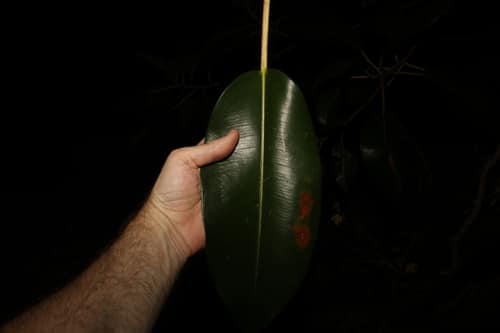
Food Source (c) Greg Tasney, some rights reserved (CC BY-SA), uploaded by Greg Tasney · cc-by-sa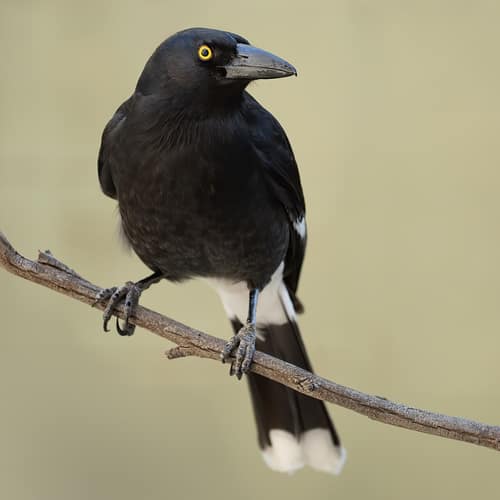
Competitor JJ Harrison (https://www.jjharrison.com.au/) / CC BY-SA 4.0 · cc-by-sa Image unavailable
Close Relative Close Relative
Help improve the field guideSomething wrong?
Checking your Fauna account…Report a name, category, or profile issue for review.