
Bird · GBIF taxon 7340211
Common Hawk-Cuckoo
Hierococcyx variusAlso known as Brainfever Bird, Brain-fever Bird
Common hawk-cuckoos are master mimics, sporting plumage and flight patterns that closely mirror the predatory shikra to scare host birds off their nests. During the hot breeding season, males fill the air with a piercing, three-note call that rises in pitch and intensity, earning them the popular name of brainfever bird. As brood parasites, they slip their eggs into the nests of babblers, leaving the unsuspecting hosts to raise their demanding chicks.
NoisyBrood ParasiteMimic
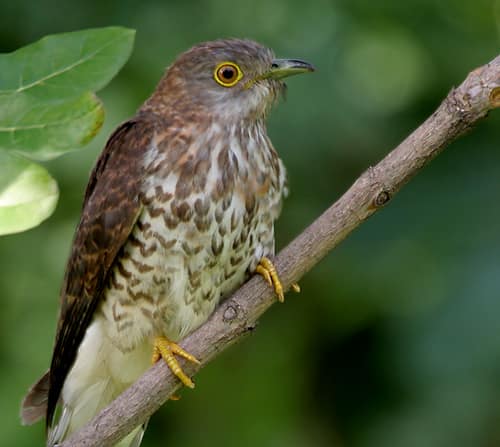
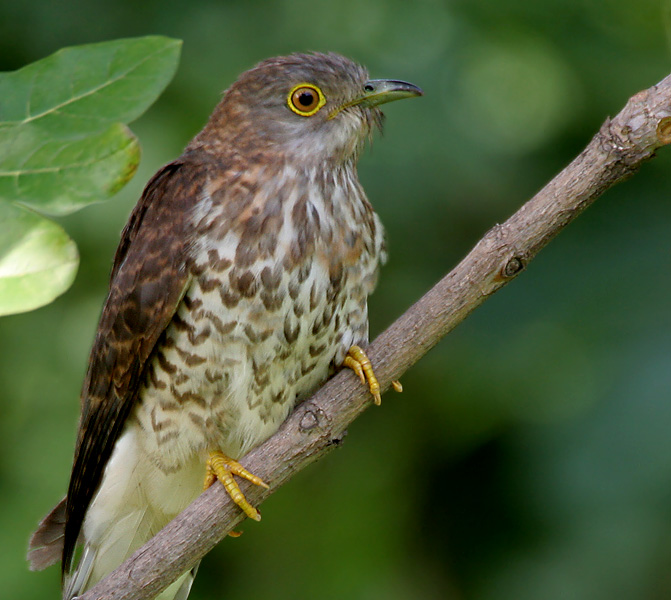
Licensed referenceJ.M.Garg / CC BY 3.0 · cc-by
—observations
—countries
—peak records
Least ConcernConservation statusIUCN Red List categoriesLCNTVUENCREWEXLeast ConcernRed List categories, explained →
Diet & prey
- Hairy caterpillars
- Grasshoppers
- Beetles
Predators
- Shikra
- House Crow
- Large raptors
ThreatsHabitat loss, pesticide use reducing insect prey, and nest site disturbance
HabitatsDeciduous forests, gardens, orchards, and open woodlands
Life span5 to 8 years
Size / weightNot available
Classification
- FamilyCuculidae
- SpeciesHierococcyx varius
Range data is not available yet.
Interaction riskLow
- Low
- Moderate
- High
- Very high
- Why interaction risk is low
- Safe to observe at a normal distance.
Responsible observation
- Listen for the call: Locate them by tracking their loud, escalating three-note call during summer days and nights.
- Watch the flight: Distinguish them from shikras by looking for a slightly longer tail and a less hooked bill when perched.
- Observe babbler flocks: Scan noisy babbler groups during the breeding season to spot female cuckoos lurking nearby.
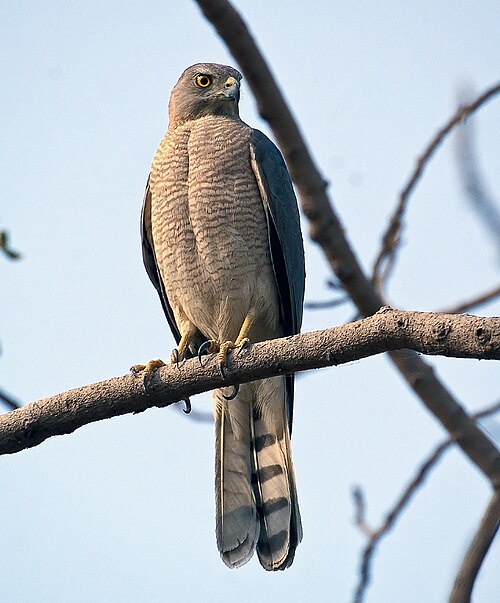
Visual Model Ravi Vaidyanathan / CC BY 2.5 · cc-by Image unavailable
Brood Host Close Relative 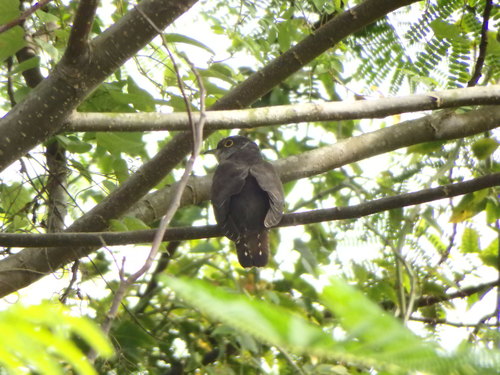
Co-occurring Relative (c) Samuel Lee, some rights reserved (CC BY) · cc-by
Help improve the field guideSomething wrong?
Checking your Fauna account…Report a name, category, or profile issue for review.