
Bird · GBIF taxon 7340146
Sooty Grouse
Dendragapus fuliginosusAlso known as Blue Grouse, Sierra Grouse
Sooty grouse inhabit wet coniferous forests along the Pacific Northwest coast, where males produce deep, booming territorial calls during spring courtship. Perched high in Douglas-fir or hemlock trees, displaying males inflate bright yellow skin sacs on their necks and fan dark tails in an elaborate show. During winter, these heavy-bodied birds move higher into tree canopies to feed almost exclusively on evergreen needles.
Forest BirdCourtship DisplayPacific Coast
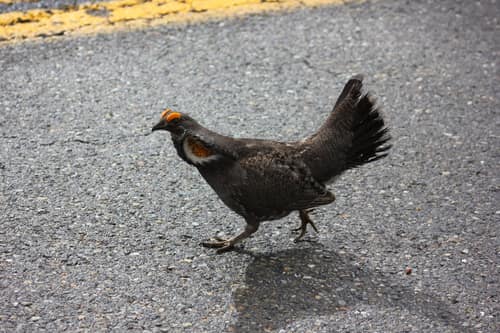
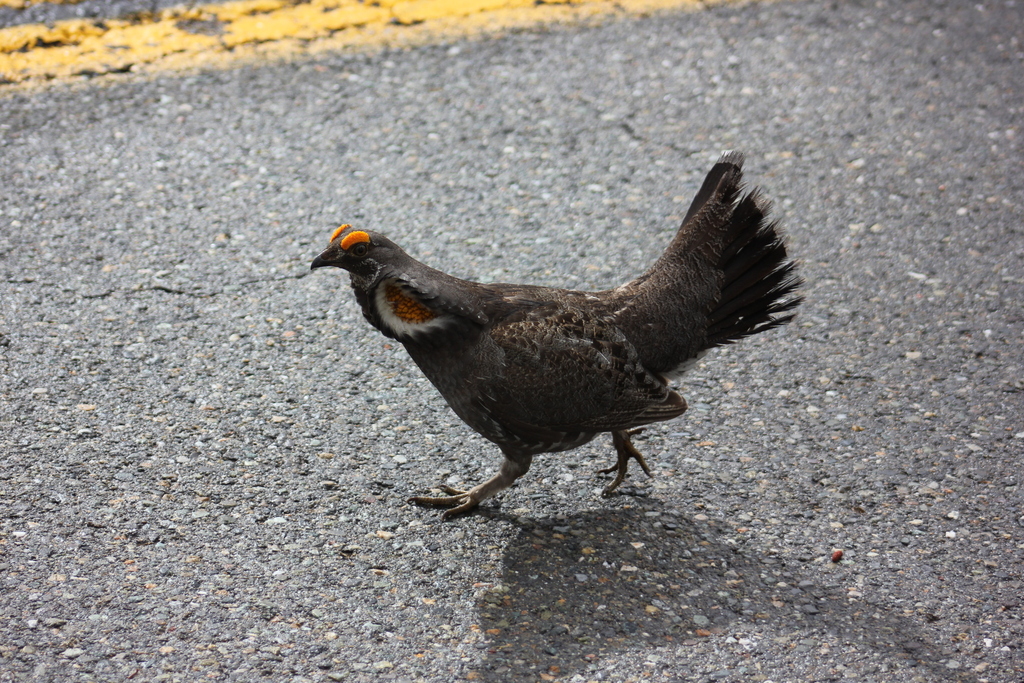
—observations
—countries
—peak records
Least ConcernConservation statusIUCN Red List categoriesLCNTVUENCREWEXLeast ConcernRed List categories, explained →
Diet & prey
- Conifer Needles
- Wild Berries
- Insects
Predators
- Northern Goshawk
- Bobcat
- Coyote
ThreatsHabitat loss from clear-cut logging and wildfire regime shifts
HabitatsTemperate rainforests, coastal coniferous woods, alpine clearings
Life span5–10 years
Size / weightNot available
Classification
- FamilyPhasianidae
- SpeciesDendragapus fuliginosus
Range data is not available yet.
Interaction riskLow
- Low
- Moderate
- High
- Very high
- Why interaction risk is low
- Safe to observe at a normal distance.
Responsible observation
- Listen for Booming: Spring callers produce ultra-low resonant sounds echoing high in the canopy.
- Look Upwards: Search upper branches of Douglas-firs during winter where birds roost and forage.
- Give Space: Avoid disturbing ground-nesting females during spring and early summer.
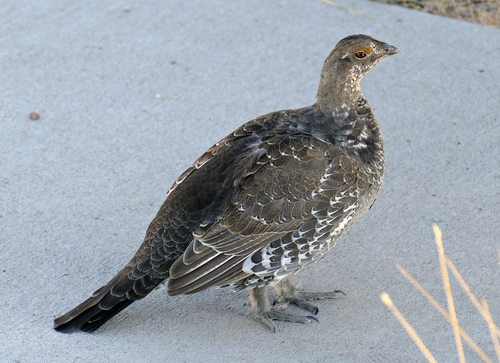
Close Relative (c) Tuoichen, some rights reserved (CC BY), uploaded by Tuoichen · cc-by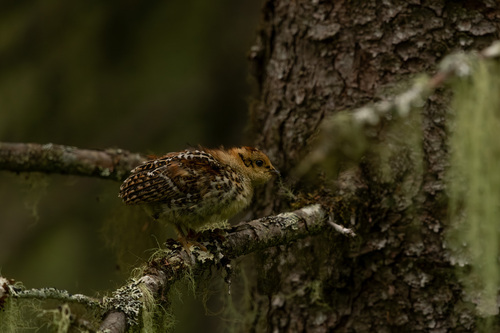
Family Relative (c) Joeb, some rights reserved (CC BY), uploaded by Joeb · cc-by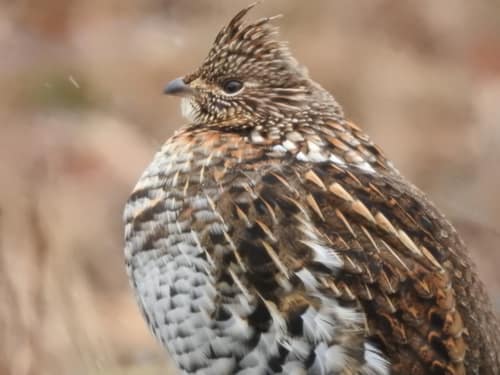
Family Relative (c) Alexis Godin, some rights reserved (CC BY), uploaded by Alexis Godin · cc-by
Help improve the field guideSomething wrong?
Checking your Fauna account…Report a name, category, or profile issue for review.