
Plant · GBIF taxon 7327670
Dahurian Rhododendron
Rhododendron dauricumAlso known as Dahurian Rosebay, Siberian Rhododendron
Dahurian rhododendron brightens cold northern forests with intense magenta-purple blooms that burst forth before the leaves fully emerge in early spring. Native to the harsh taiga landscapes of Siberia and East Asia, this woody shrub adapts to freezing winters by dropping most of its foliage or turning its leathery leaves a deep copper brown. Its flowers provide vital early-season nectar for emerging queen bumblebees and other cold-hardy pollinators.
Cold-HardyFloweringSpring Bloomer
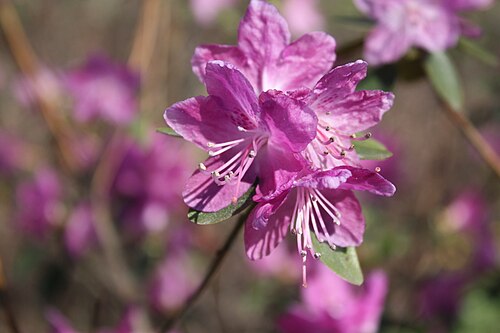
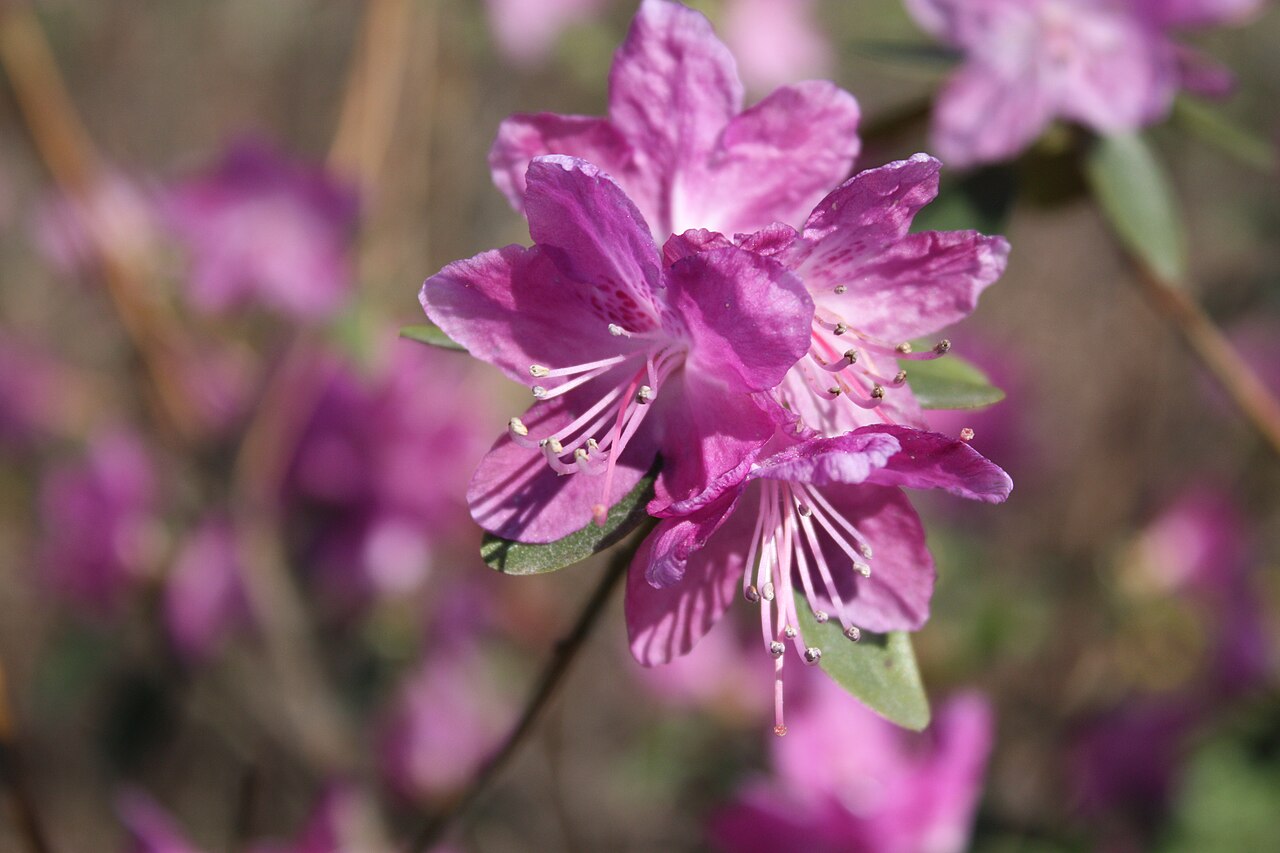
Licensed referenceAnneli Salo / CC BY-SA 3.0 · cc-by-sa
—observations
—countries
—peak records
Least ConcernConservation statusIUCN Red List categoriesLCNTVUENCREWEXLeast ConcernRed List categories, explained →
Diet & prey
- Sunlight
- Soil Nitrogen
- Rainwater
Predators
- Siberian Musk Deer
- Mountain Hare
- Caterpillars
ThreatsWildfire, habitat clearance, over-harvesting for wild floral trade
HabitatsBoreal forests, larch woodlands, rocky slopes, forest margins
Life span30–50 years
Classification
- FamilyEricaceae
- SpeciesRhododendron dauricum
Range data is not available yet.
Interaction riskHigh
- Low
- Moderate
- High
- Very high
- Why interaction risk is high
- Contains grayanotoxins; toxic to humans and pets if ingested. Wild plants have toxic look-alikes.
- Why it is dangerous
- Contains grayanotoxins that disrupt nerve cell function, causing nausea, low blood pressure, and cardiac arrhythmia if ingested.
- How to recognize a risky encounter
- Recognized as a branchy shrub with small dark green leaves and bright reddish-purple early spring flowers.
- What to do
- Enjoy flower displays from a safe distance without harvesting foliage or blooms for domestic arrangements.
Responsible observation
- Spring Spotting: Look for vivid magenta-purple flowers opening on bare stems in early spring before leaves expand.
- Safe Enjoyment: Admire the blossoms visually and avoid touching broken stems or ingesting any parts.
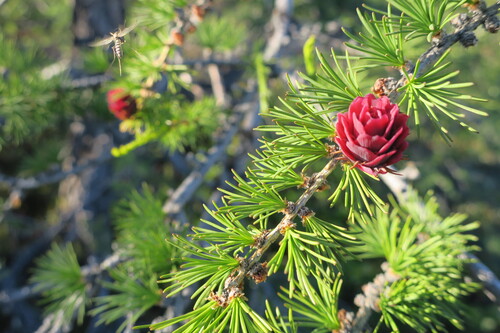
Frequent Companion (c) Artem Abdukakharov, some rights reserved (CC BY) · cc-by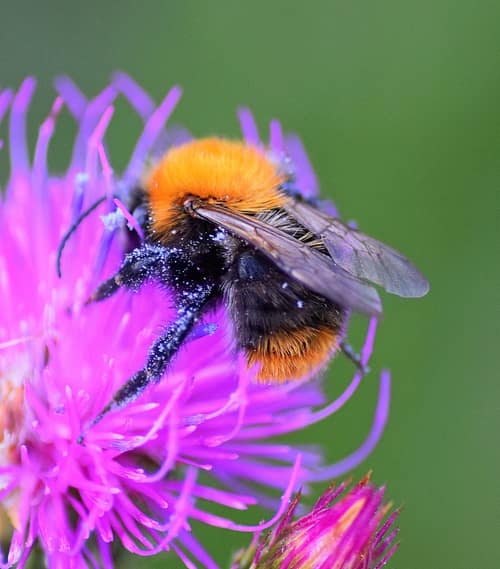
Pollinator (c) Kostas Zontanos, some rights reserved (CC BY), uploaded by Kostas Zontanos · cc-by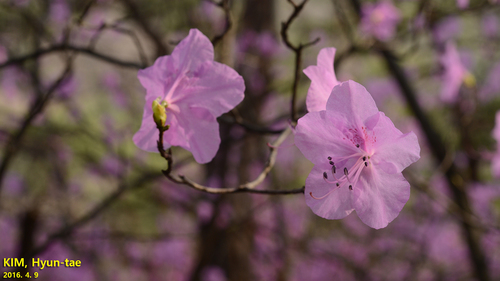
Close Relative (c) Kim, Hyun-tae, some rights reserved (CC BY), uploaded by Kim, Hyun-tae · cc-by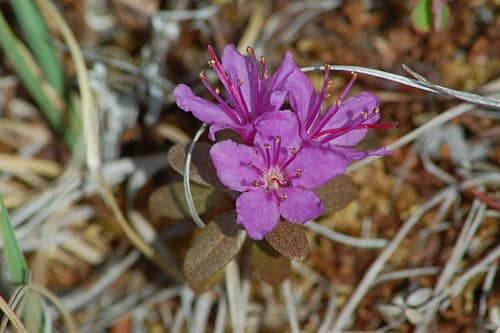
Close Relative (c) Don Henise, some rights reserved (CC BY) · cc-by
Help improve the field guideSomething wrong?
Checking your Fauna account…Report a name, category, or profile issue for review.