Red azaleas illuminate montane slopes and open woodlands across East Asia with prolific bursts of funnel-shaped crimson flowers each spring. Forming dense, twiggy thickets, these woody shrubs play a critical role in anchoring acidic mountain soils and sheltering small forest organisms. Widely collected and selectively bred over centuries, the wild shrub serves as the foundational parent for hundreds of popular ornamental evergreen azalea cultivars worldwide.
ThreatsHabitat clearing and overcollection of wild specimens for landscaping
HabitatsMontane slopes, pine-oak woodlands, rocky hillsides, and river ravines
Life spanUp to 50 years
Classification
OrderEricales
FamilyEricaceae
GenusRhododendron
SpeciesRhododendron simsii
Range & activity
Range data is not available yet.
Safe observation
Interaction riskHigh
Low
Moderate
High
Very high
Why interaction risk is high
Contains grayanotoxins that cause severe poisoning if consumed; keep away from pets and children.
Why it is dangerous
Produces grayanotoxins throughout all tissues, which disrupt voltage-gated sodium channels and lead to severe vomiting, bradycardia, hypotension, and potential collapse.
How to recognize a risky encounter
Recognize by clusters of bright red to rose-pink funnel blossoms with prominent stamens and elliptical, hairy evergreen leaves.
What to do
Enjoy the showy floral displays without picking or ingesting any plant parts, and wash hands thoroughly after contact.
Responsible observation
Seasonal Timing: Search montane thickets between March and May to witness the shrubs in full, vibrant bloom.
Cultivation Advice: Provide moist, organically rich, acidic soil with partial shade to replicate native understory conditions.

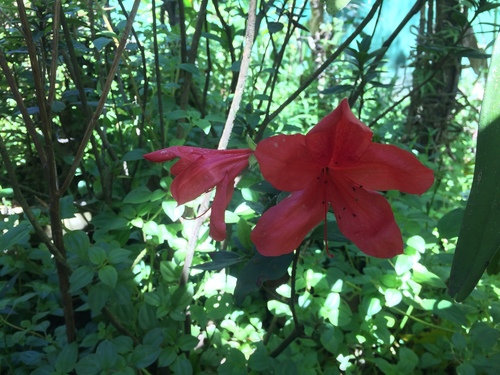
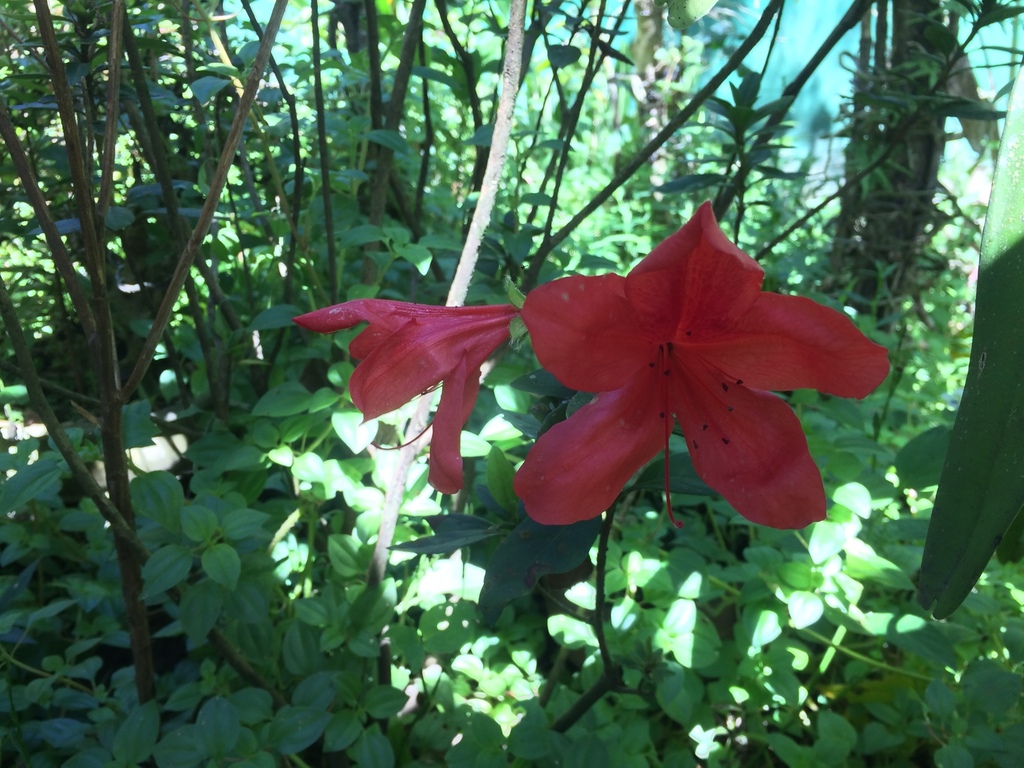
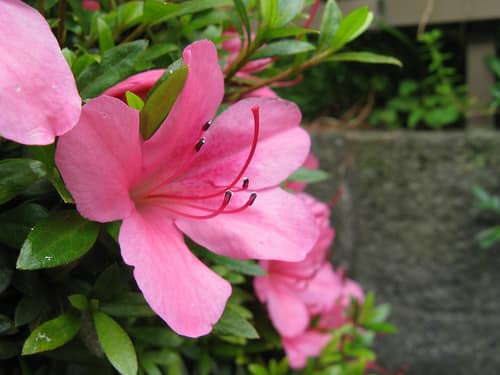
 Image unavailable