
Plant · GBIF taxon 7325877
Narrow-leaved Ash
Fraxinus angustifoliaAlso known as Desert Ash, Raywood Ash, Caucasian Ash
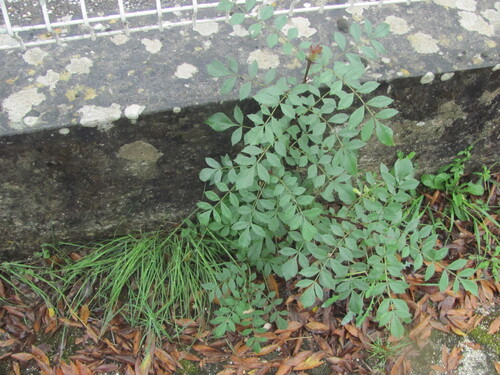
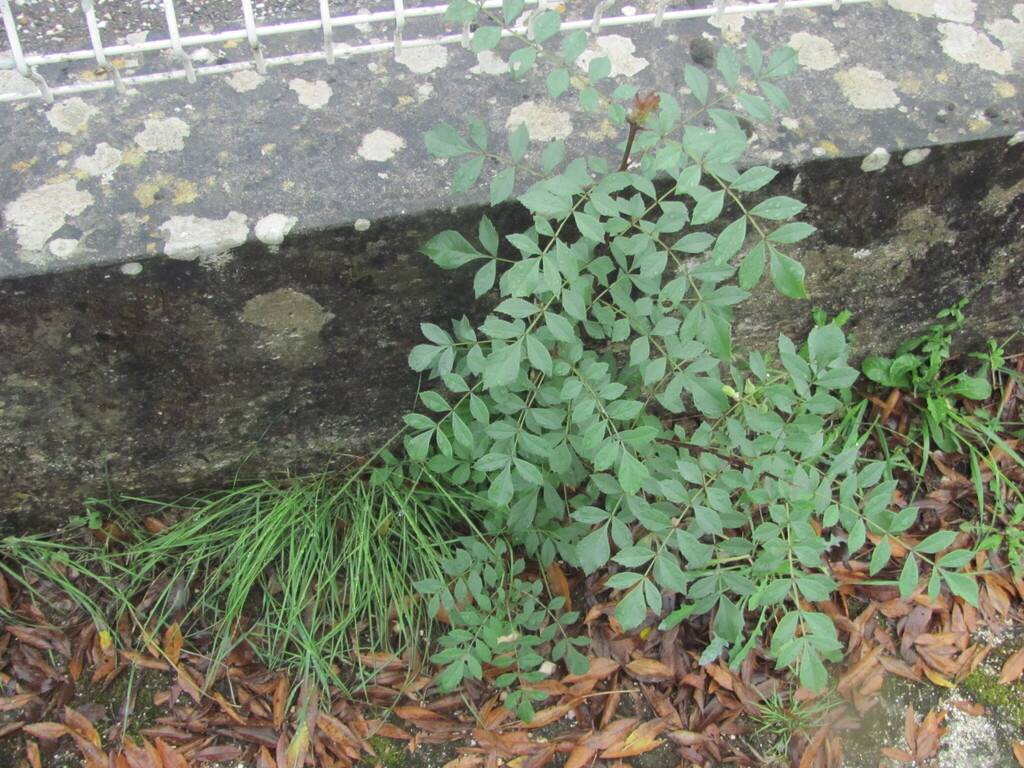
Narrow-leaved ash thrives along riverbanks, floodplains, and damp woodlands across southern Europe, Northwest Africa, and Southwest Asia. Its sleek pinnate leaves feature 7 to 13 slender, sharply serrated leaflets that turn brilliant shades of bronze or purple in autumn. Deeply furrowed gray bark and winged samaras dispersed by winter winds mark its role as a key canopy tree in riparian ecosystems.
TreeDeciduousRiparian
—observations
—countries
—peak records
Least ConcernConservation statusIUCN Red List categoriesLCNTVUENCREWEXLeast ConcernRed List categories, explained →
Diet & prey
- Autotrophic (Photosynthesis)
Predators
- Emerald Ash Borer
- Ash Bark Beetle
- Leaf-eating Caterpillars
ThreatsEmerald ash borer, ash dieback fungal pathogen, habitat destruction
HabitatsRiparian forests, floodplains, damp woodlands, riverbanks
Life span100–250 years
Classification
- OrderLamiales
- FamilyOleaceae
- GenusFraxinus
- SpeciesFraxinus angustifolia
Range data is not available yet.
Interaction riskLow
- Low
- Moderate
- High
- Very high
- Why interaction risk is low
- Safe to observe at a normal distance.
Responsible observation
- Leaf Identification: Look for slender, lance-shaped leaflets arranged in opposite pairs along the stalk.
- Seasonal Colors: Watch for striking purple and bronze foliage shifts during autumn.
- Winter Clues: Check for pale brown winter buds, which distinguish it from the dark black buds of European ash.
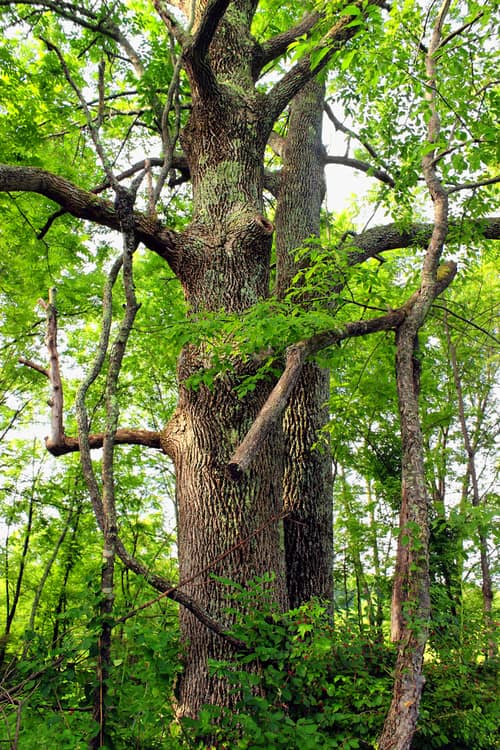
Competitor (c) Nicholas A. Tonelli, some rights reserved (CC BY) · cc-by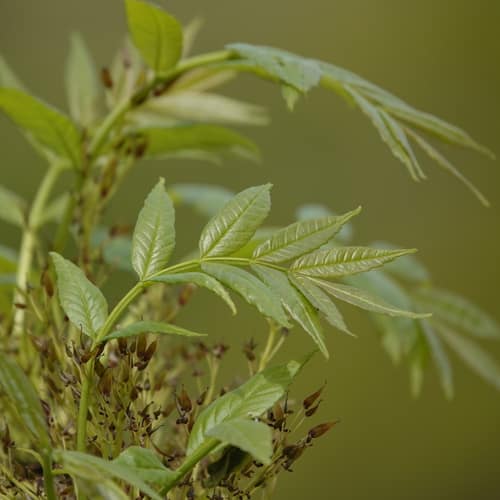
Close Relative (c) Jais Knudsen, some rights reserved (CC BY), uploaded by Jais Knudsen · cc-by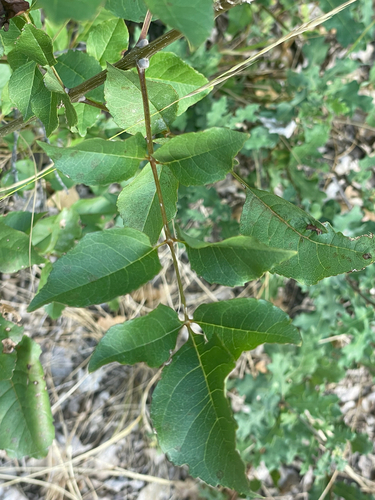
Close Relative (c) Ioannis Magouras, some rights reserved (CC BY) · cc-by
Help improve the field guideSomething wrong?
Checking your Fauna account…Report a name, category, or profile issue for review.