
Plant · GBIF taxon 7323035
Kurrajong
Brachychiton populneusAlso known as Carrejun, Poplar Bell Tree
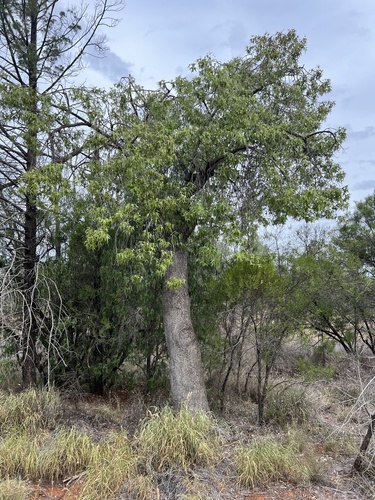
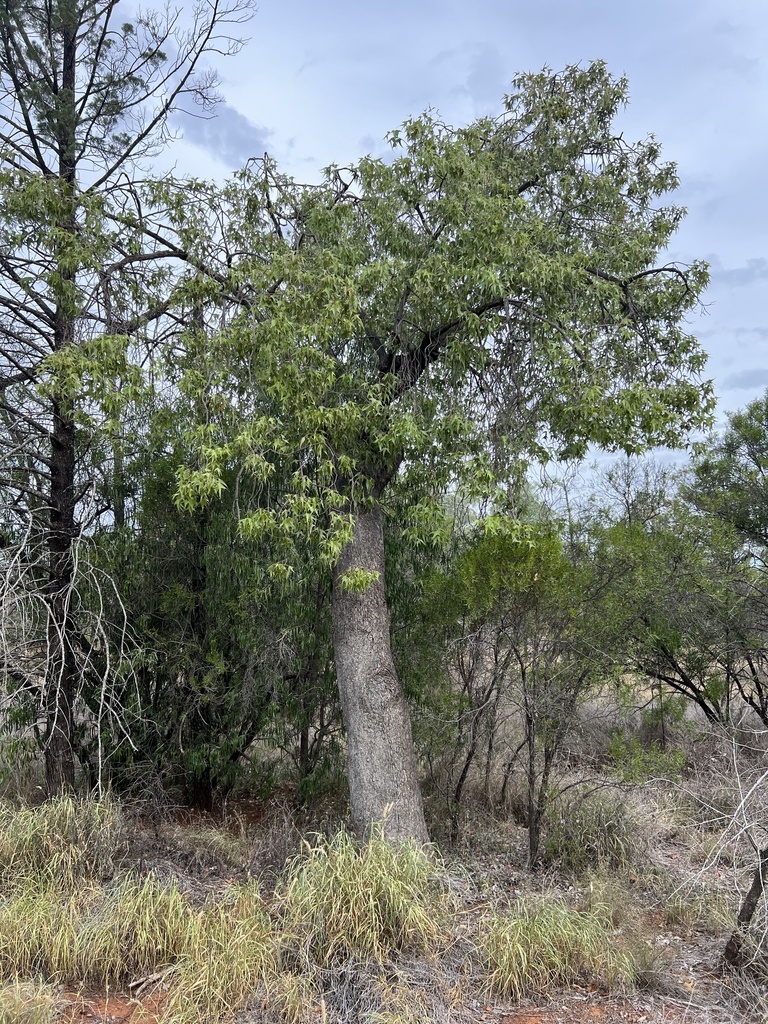
Kurrajong trees feature stout trunks with smooth green-grey bark and glossy, variable leaves that range from lance-shaped to deeply lobed. In spring and early summer, pale creamy-white, bell-shaped flowers bloom with rich pink or reddish-brown speckles inside the throat. Woody, boat-shaped seed pods mature later in the season, splitting open to reveal seeds nestled within a layer of fine, irritating bristles.
Drought-TolerantEvergreenShade Tree
—observations
—countries
—peak records
Least ConcernConservation statusIUCN Red List categoriesLCNTVUENCREWEXLeast ConcernRed List categories, explained →
Diet & prey
- Autotrophic (Photosynthesis)
Predators
- Livestock
- Caterpillars
- Wood-boring beetles
ThreatsHabitat clearing, agricultural development, and heavy grazing by introduced livestock
HabitatsEucalypt woodlands, dry sclerophyll forests, rocky hillsides, and semi-arid inland plains
Life span50–150 years
Classification
- OrderMalvales
- FamilyMalvaceae
- GenusBrachychiton
- SpeciesBrachychiton populneus
Range data is not available yet.
Interaction riskLow
- Low
- Moderate
- High
- Very high
- Why interaction risk is low
- Fine bristles inside the woody seed pods cause skin and eye irritation; handle pods with care.
- Why it is dangerous
- The interior lining of mature seed pods contains tiny, stiff hairs that break off easily and cause severe itching, skin rashes, and eye irritation.
- How to recognize a risky encounter
- Look for tough, boat-shaped woody pods hanging from branches or scattered on the ground.
- What to do
- Avoid prying open seed pods with bare hands, and wash skin promptly with water if contact with hairs occurs.
Responsible observation
- Pod Handling: Wear protective gloves when collecting dry seed pods to avoid contact with irritating interior bristles.
- Landscape Care: Plant in deep, well-draining soil to support the tree's thick, water-storing taproot system.
- Bird Watching: Scan flowers during late spring to spot native honeyeaters feeding on nectar.
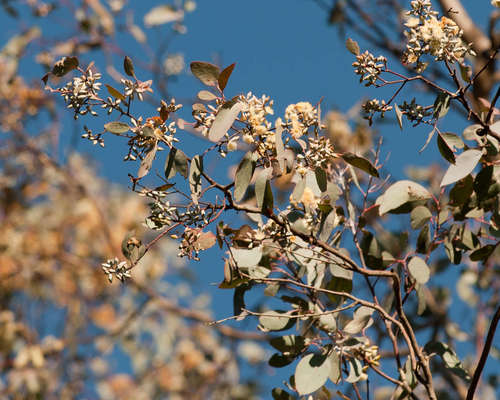
Frequent Companion (c) Chris Clarke, some rights reserved (CC BY) · cc-by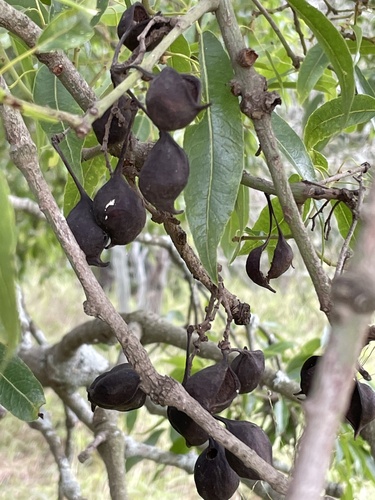
Close Relative no rights reserved, uploaded by Jean-Paul Boerekamps · cc0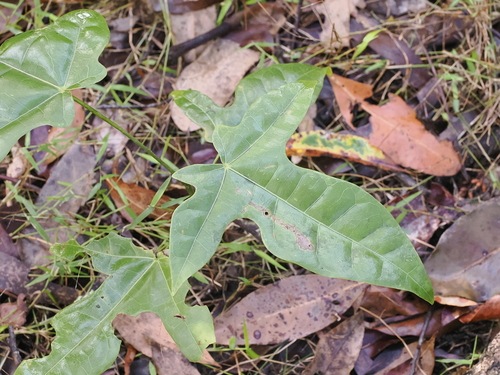
Close Relative (c) Lucas Christofides, some rights reserved (CC BY) · cc-by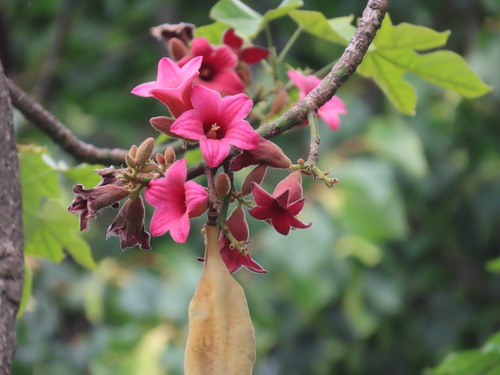
Close Relative (c) ian_mcallan, some rights reserved (CC BY) · cc-by
Help improve the field guideSomething wrong?
Checking your Fauna account…Report a name, category, or profile issue for review.