
Plant
Indian Dutchman's Pipe
Aristolochia indicaAlso known as Indian Birthwort, Sapsada, Ishwarmul
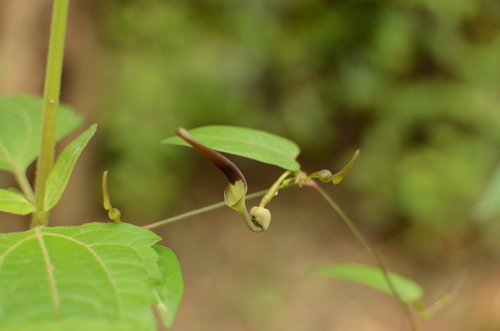
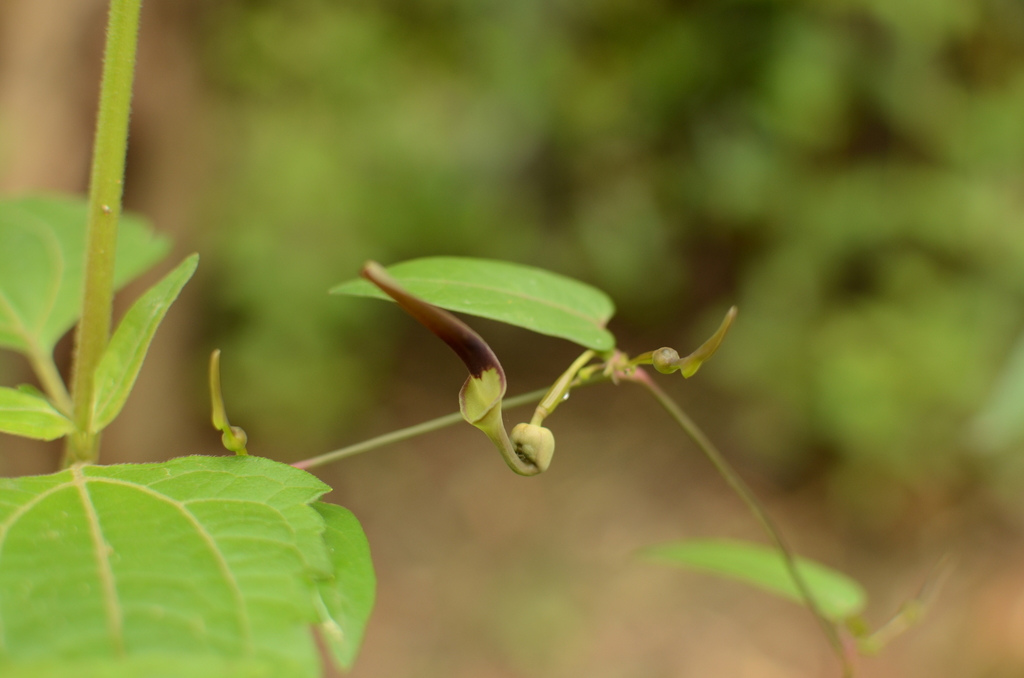
Indian Dutchman's pipe climbs vigorously through forest understories and rocky slopes, twining around shrubs and trees to form dense blankets of slender, alternate leaves. Its bizarre, tubular flowers resemble miniature saxophones or curved smoking pipes, engineered with specialized inward-pointing hairs that temporarily trap small insect pollinators until pollination is complete. Beyond its curious floral anatomy, the vine plays an indispensable ecological role in South Asian woodlands as a vital host plant for giant swallowtail butterflies.
Climbing VineHost PlantTropical
—observations
—countries
—peak records
Not EvaluatedConservation statusIUCN Red List categoriesLCNTVUENCREWEXNot Evaluated — not placed on the risk ladderRed List categories, explained →
Diet & preyAutotrophic (photosynthetic)
Predators
- Southern Birdwing Caterpillar
- Common Rose Caterpillar
- Crimson Rose Caterpillar
ThreatsHabitat loss from land clearing and overharvesting for traditional remedies
HabitatsDeciduous and semi-evergreen forests, scrublands, and rocky hillslopes
Life spanPerennial (decades via woody rootstock)
Classification
- FamilyAristolochiaceae
- SpeciesAristolochia indica
Range data is not available yet.
Interaction riskHigh
- Low
- Moderate
- High
- Very high
- Why interaction risk is high
- Contains potent aristolochic acids; never ingest any part of the plant.
- Why it is dangerous
- Produces aristolochic acid, a compound causing irreversible renal fibrosis and urinary tract malignancies when consumed.
- How to recognize a risky encounter
- Recognized by slender, twining stems with oblong-lanceolate leaves and greenish-purple, pipe-shaped asymmetrical flowers.
- What to do
- Do not harvest or brew for herbal teas, and wash hands thoroughly after accidental contact.
Responsible observation
- Butterfly Spotting: Inspect trailing stems in moist woodland fringes to find feeding birdwing caterpillars.
- Flower Examination: Look closely inside blooms to see tiny trapped midges aiding pollination.
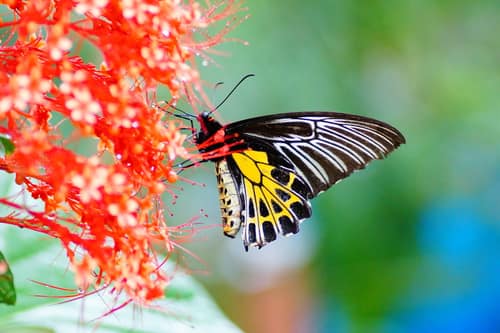
Herbivore (c) Vengolis, some rights reserved (CC BY-SA) · cc-by-sa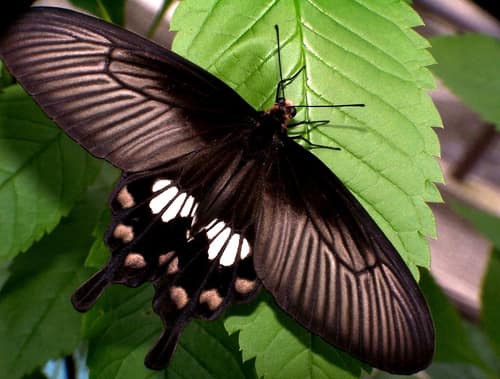
Herbivore (c) Charles Lam, some rights reserved (CC BY-SA) · cc-by-sa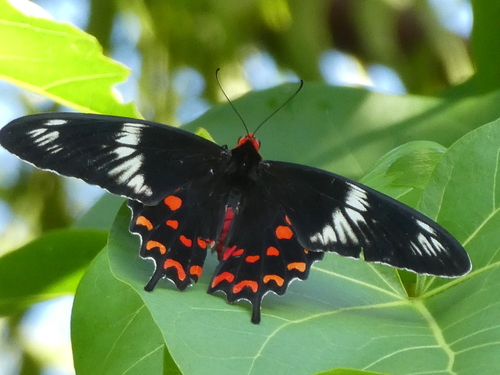
Herbivore (c) datadan, some rights reserved (CC BY), uploaded by datadan · cc-by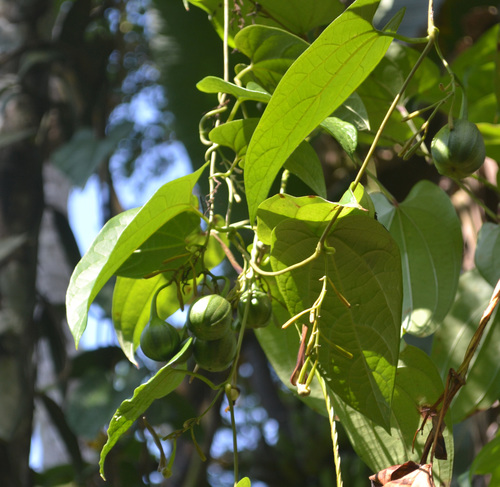
Close Relative (c) Vinayaraj, some rights reserved (CC BY-SA) · cc-by-sa
Help improve the field guideSomething wrong?
Checking your Fauna account…Report a name, category, or profile issue for review.