
Plant · GBIF taxon 7304064
Sandpaper Tree
Curatella americanaAlso known as Sambaiba, Wild Cashew Tree, Chaparro, Yaha
Sandpaper trees dominate Neotropical savannas with their gnarled, twisting trunks and thick, corky bark adapted to survive frequent wildfires. Their stiff, rough leaves are rich in abrasive silica crystals and have long been utilized across Latin America as a natural substitute for commercial sandpaper. Small, fragrant white blossoms emerge toward the end of the dry season, giving way to paired hairy capsules that split to reveal bright red, fleshy arils eagerly consumed by local birds.
SavannaFire-AdaptedBroadleaf
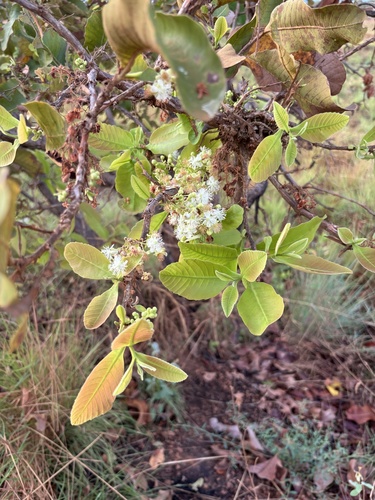
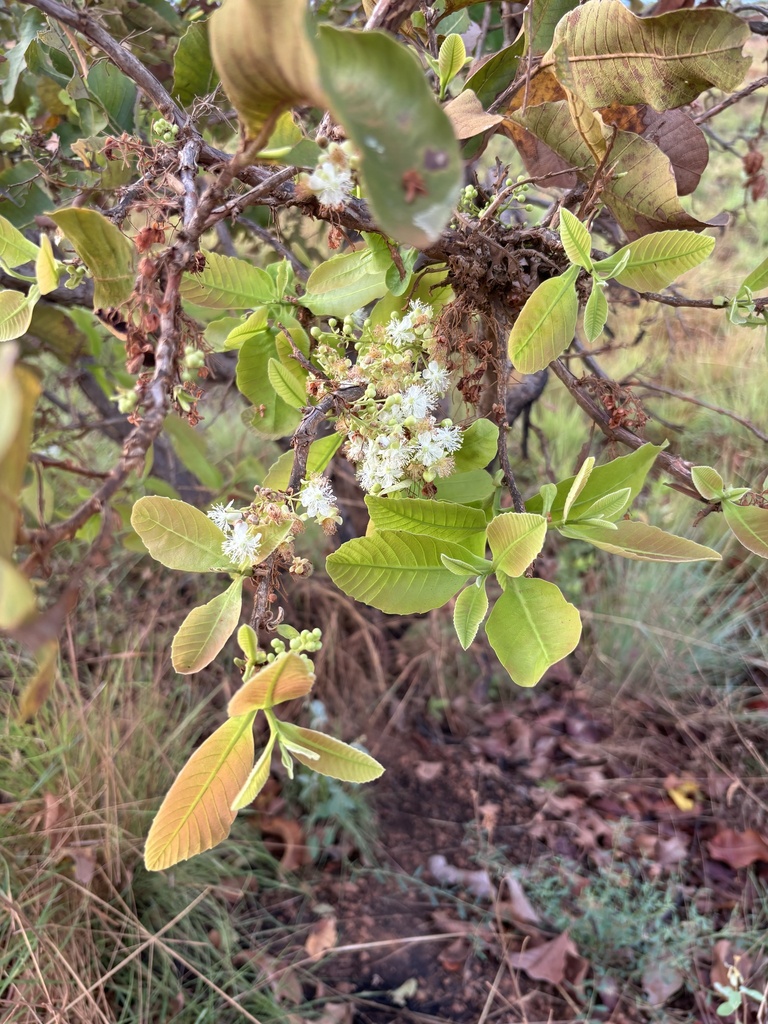
—observations
—countries
—peak records
Least ConcernConservation statusIUCN Red List categoriesLCNTVUENCREWEXLeast ConcernRed List categories, explained →
Diet & prey
- Autotrophic (photosynthetic)
Predators
- Leafcutter ants
- Caterpillars of various moths
- Wood-boring beetles
ThreatsAgricultural conversion of savannas, overgrazing, and altered fire regimes
HabitatsNeotropical savannas, Cerrado, Llanos, and dry scrub woodlands
Life span50–100 years
Classification
- FamilyDilleniaceae
- SpeciesCuratella americana
Range data is not available yet.
Interaction riskLow
- Low
- Moderate
- High
- Very high
- Why interaction risk is low
- Safe to observe at a normal distance.
Responsible observation
- Texture: Gently rub the upper surface of a mature leaf to feel the abrasive silica crystals.
- Fire ecology: Examine the deeply fissured, corky bark that insulates the living trunk from savanna fires.
- Birdwatching: Check fruiting trees during the early rainy season to watch tanagers and flycatchers eating the arils.
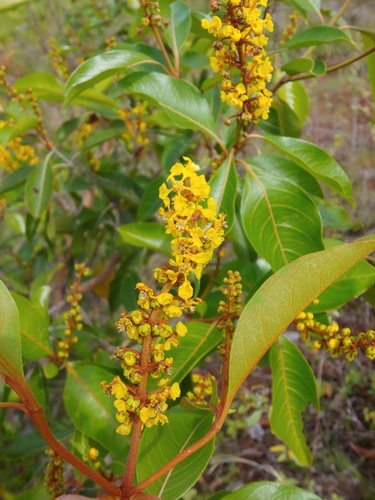
Frequent Companion (c) Kurt Miller, some rights reserved (CC BY-SA) · cc-by-sa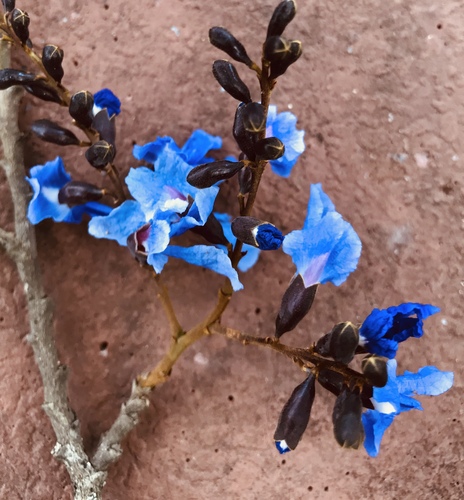
Frequent Companion (c) Helio Lourencini, some rights reserved (CC BY), uploaded by Helio Lourencini · cc-by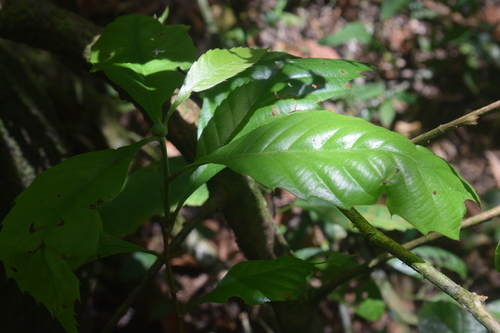
Same Family (c) Lucas Kaminski, some rights reserved (CC BY) · cc-by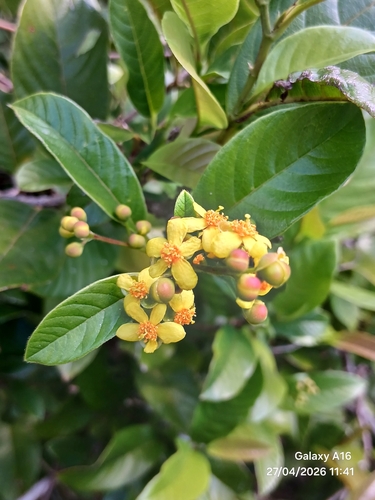
Same Family (c) Dayron Breto, some rights reserved (CC BY) · cc-by
Help improve the field guideSomething wrong?
Checking your Fauna account…Report a name, category, or profile issue for review.