
Plant
Polka Dot Begonia
Begonia maculataAlso known as Trout Begonia, Spotted Begonia
Polka Dot Begonia anchors itself in the humid shade of the Brazilian Atlantic Forest, displaying striking olive-green leaves peppered with metallic silver spots and rich crimson undersides. Clusters of delicate white to pale pink blossoms droop from tall bamboo-like stems throughout the warmer months. As a classic rainforest understory plant, it thrives in high humidity and dappled light away from harsh direct sun.
TropicalFoliage PlantRainforest
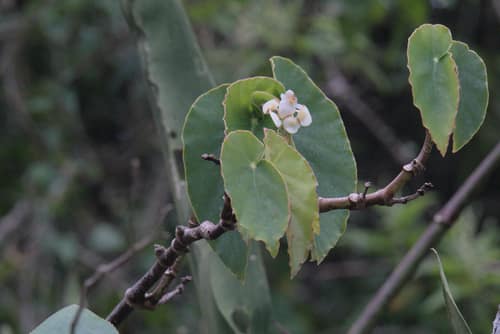
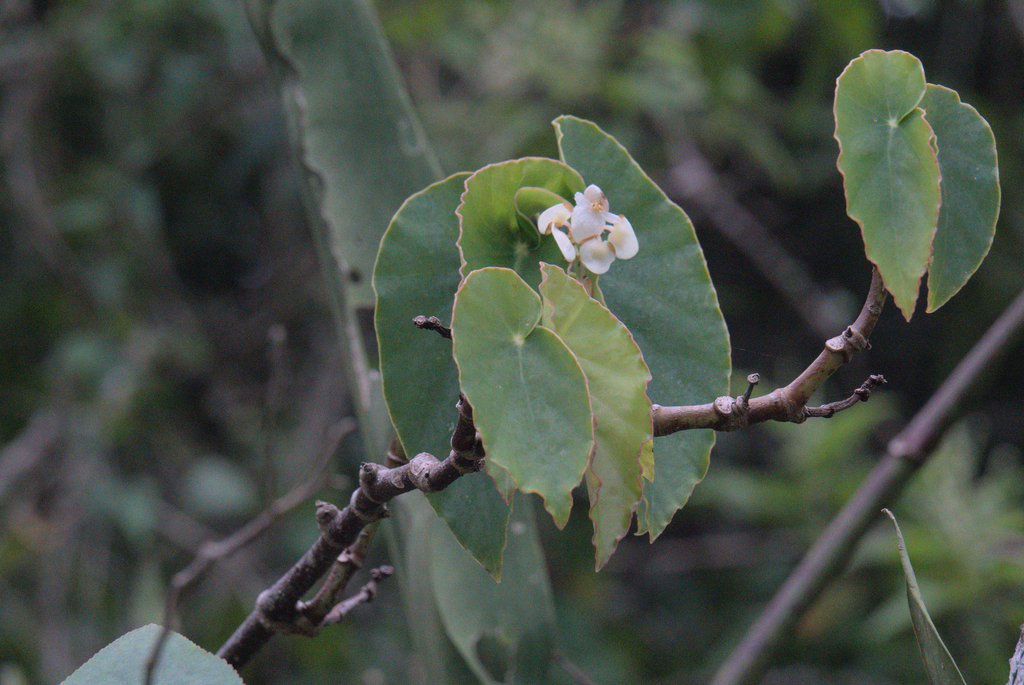
—observations
—countries
—peak records
Not EvaluatedConservation statusIUCN Red List categoriesLCNTVUENCREWEXNot Evaluated — not placed on the risk ladderRed List categories, explained →
Diet & preyPhotosynthetic
Predators
- Mealybugs
- Thrips
- Snails
ThreatsDeforestation, habitat loss
HabitatsRainforest understory, tropical forests
Life span5–10 years
Classification
- OrderCucurbitales
- FamilyBegoniaceae
- GenusBegonia
- SpeciesBegonia maculata
Range data is not available yet.
Interaction riskHigh
- Low
- Moderate
- High
- Very high
- Why interaction risk is high
- Toxic to dogs and cats if ingested; keep out of reach of pets.
- Why it is dangerous
- Contains insoluble calcium oxalates throughout the foliage and stems that cause intense oral irritation, drooling, and vomiting if swallowed by pets.
- How to recognize a risky encounter
- Look for asymmetrical olive leaves dotted with silvery white spots, dark red undersides, and jointed cane stems.
- What to do
- Position high on shelves or in hanging planters well out of reach of domestic animals.
Responsible observation
- Lighting: Position in bright indirect light to preserve the intense red underside coloration.
- Humidity: Provide ambient humidity above 50 percent to prevent brown leaf tips.
- Pruning: Pinch back tall stems in spring to encourage bushy growth.
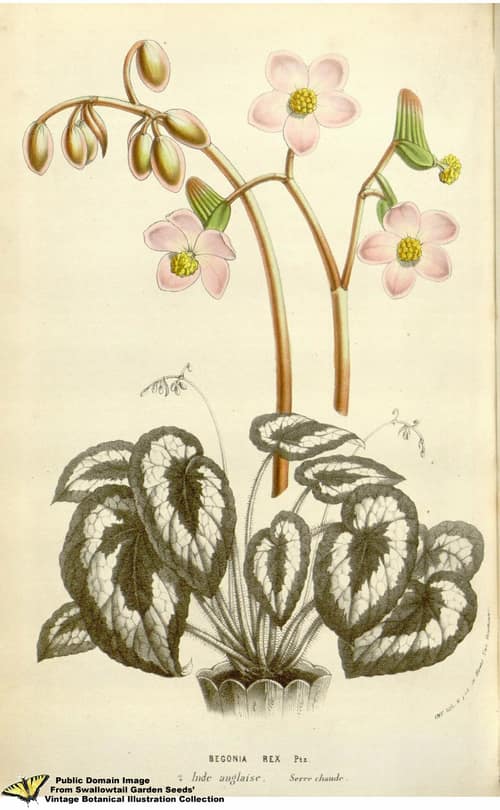
Close Relative Swallowtail Garden Seeds / Public domain · cc0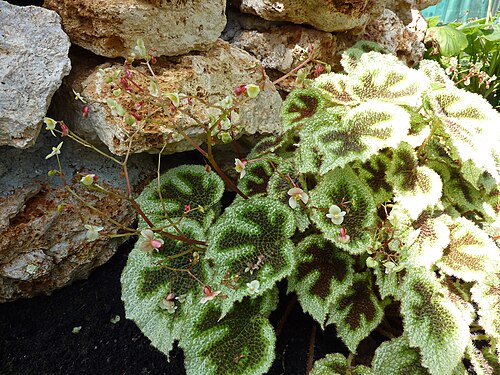
Close Relative Salix / CC BY-SA 3.0 · cc-by-sa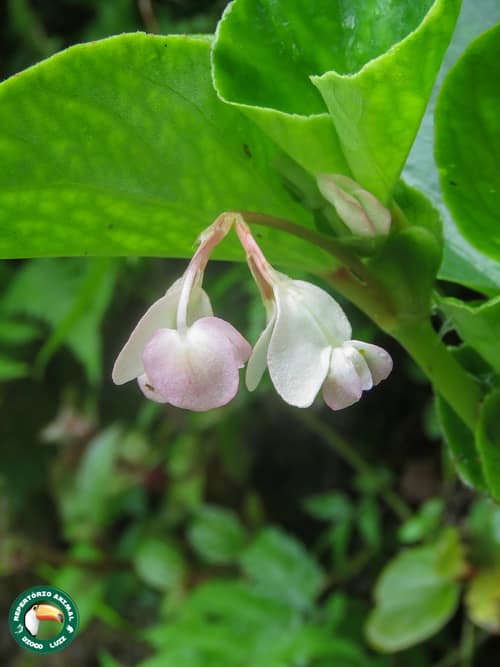
Close Relative (c) Diogo Luiz, some rights reserved (CC BY) · cc-by
Help improve the field guideSomething wrong?
Checking your Fauna account…Report a name, category, or profile issue for review.