German primroses form dense rosettes of hairy, heart-shaped leaves that send up sturdy stalks topped with clusters of lavender to pink blooms in late winter and early spring. Native to moist, shaded mountain slopes and rocky crevices in China, they rely on long-tongued insects for cross-pollination through heterostyly, a floral arrangement with two distinct flower forms. Glandular hairs covering the foliage secrete primin, a potent contact allergen that deters grazing herbivores and has made this widely grown ornamental notorious among gardeners.
Not EvaluatedConservation statusIUCN Red List categoriesLCNTVUENCREWEXNot Evaluated — not placed on the risk ladderRed List categories, explained →
Key facts
Diet & preySunlight, Water, Soil minerals
Predators
Slugs
Aphids
Spider mites
ThreatsHabitat disturbance in native range; aphids, spider mites, and fungal rot in cultivation
HabitatsMoist mountain forests, shaded rocky slopes, and streambanks in China; widely cultivated indoors
Life span2–4 years (short-lived perennial)
Classification
OrderEricales
FamilyPrimulaceae
GenusPrimula
SpeciesPrimula obconica
Range & activity
Range data is not available yet.
Safe observation
Interaction riskHigh
Low
Moderate
High
Very high
Why interaction risk is high
Glandular leaf hairs secrete primin, causing severe contact dermatitis; wear gloves when handling and keep away from pets.
Why it is dangerous
Glandular trichomes on the leaves and stems produce primin, a benzoquinone compound that triggers allergic contact dermatitis with redness, itching, and blistering. Ingesting plant parts can also cause gastrointestinal upset in humans and pets.
How to recognize a risky encounter
Recognized by rosettes of coarse, rounded to heart-shaped leaves covered in fine hairs and upright umbels of five-lobed flowers.
What to do
Wear waterproof gloves when pruning or repotting, and wash exposed skin thoroughly with soap and water. Keep potted plants out of reach of children, cats, and dogs.
Responsible observation
Handling: Wear gloves when touching leaves or stems, as primin easily transfers to skin.
Pet Safety: Place indoor pots on high shelves where curious cats and dogs cannot chew them.
Pollination Watching: Look closely at flower centers to spot pin-eyed and thrum-eyed forms.

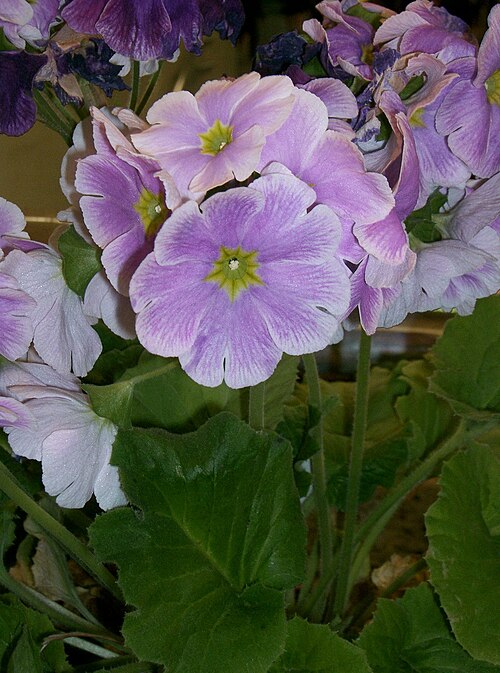
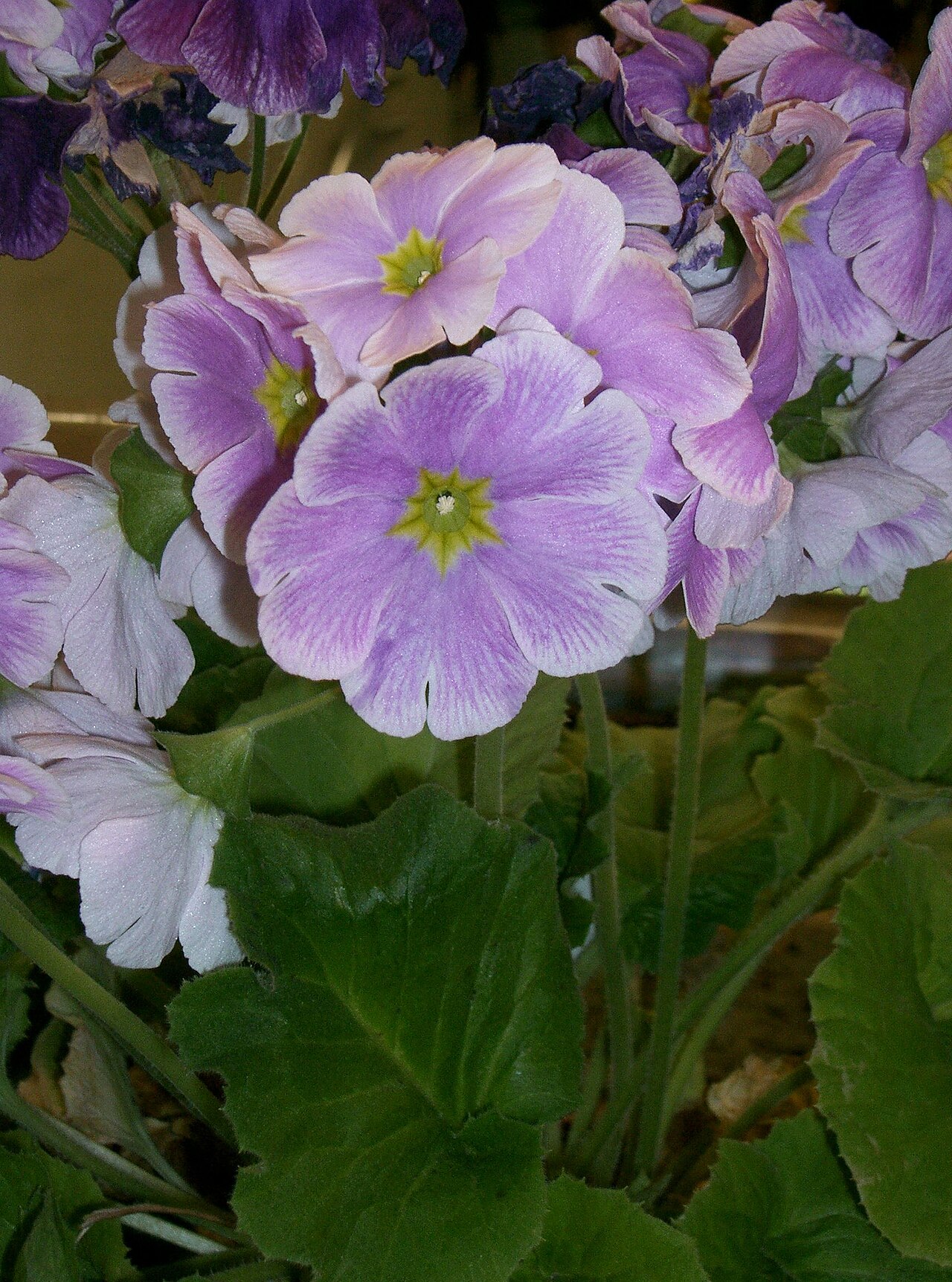
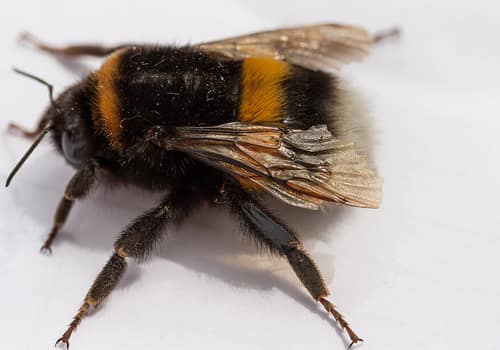
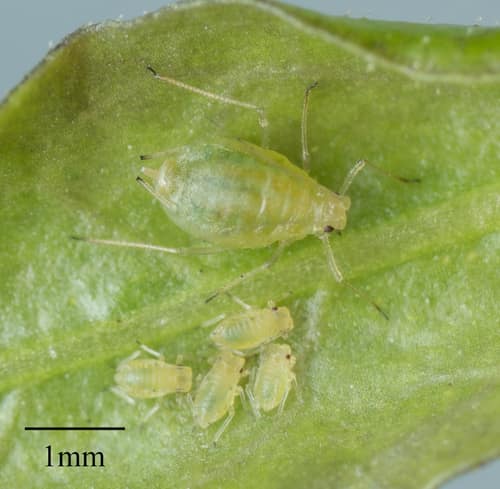
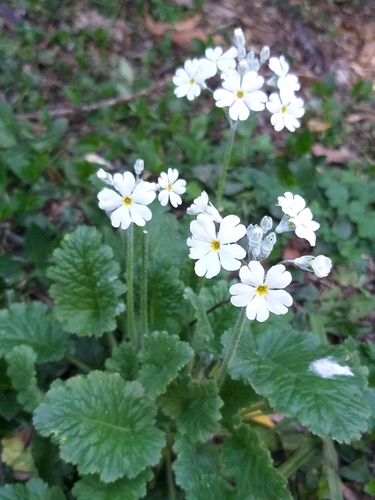
 Image unavailable