
Plant
Mountain Devil
Lambertia formosaAlso known as Honey Flower
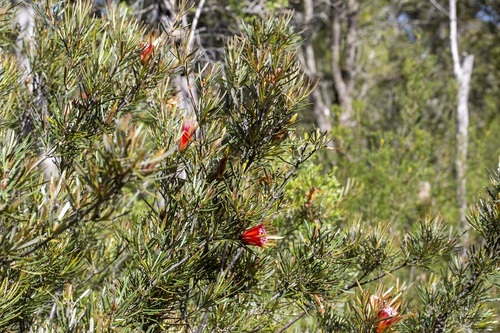
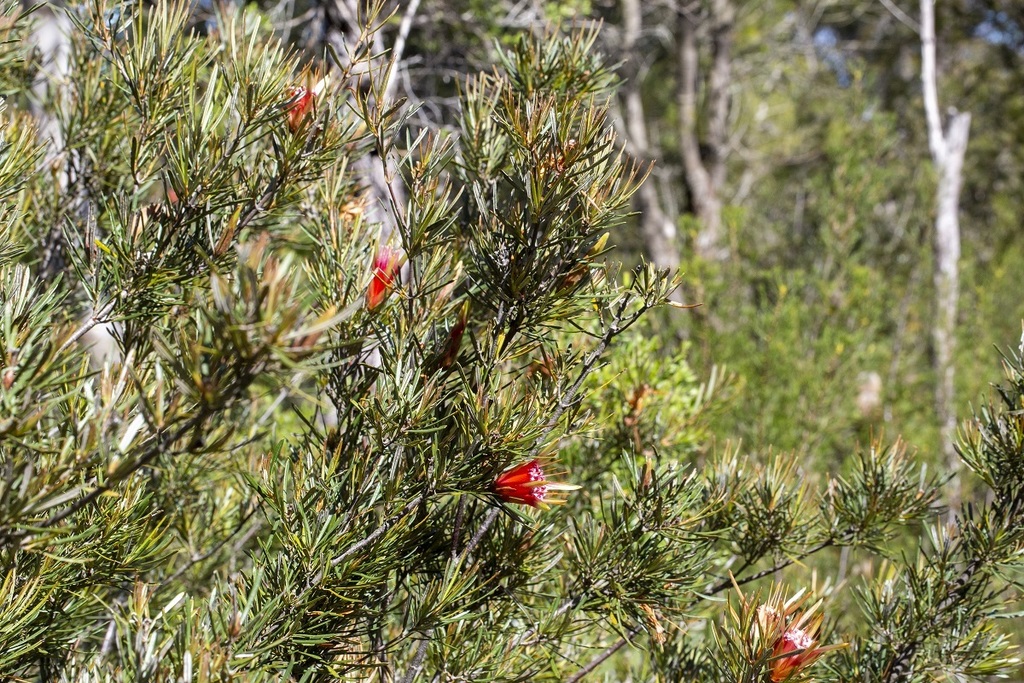
Mountain devils are prickly, multistemmed shrubs of New South Wales sandstone country that earn their name from their two-horned woody seed pods. Clusters of seven bright pink to red tubular flowers burst open in spring and summer, brimming with sweet nectar that draws in honeyeaters and bees. After bushfires sweep through the heath, the plant shoots fresh stems from a tough underground lignotuber while heat-split follicles release winged seeds onto the ash bed.
FloweringFire-adaptedNectar-rich
—observations
—countries
—peak records
Least ConcernConservation statusIUCN Red List categoriesLCNTVUENCREWEXLeast ConcernRed List categories, explained →
Diet & preySunlight, Water, Soil minerals
Predators
- Swamp Wallaby
- Cockatoos
- Seed-boring beetles
ThreatsUrban development, altered fire regimes, and Phytophthora root rot
HabitatsHeathland, dry sclerophyll woodland, and open forest on sandstone soils in New South Wales
Life span20 to 50+ years (resprouts from a long-lived lignotuber)
Classification
- OrderProteales
- FamilyProteaceae
- GenusLambertia
- SpeciesLambertia formosa
Range data is not available yet.
Interaction riskLow
- Low
- Moderate
- High
- Very high
- Why interaction risk is low
- Safe to observe at a normal distance; watch for the sharp, stiff leaf tips if brushing past.
Responsible observation
- Count the Blooms: Look closely at each red flowerhead to spot the seven individual tubular flowers.
- Spot the Horns: Search lower branches for the two-horned woody follicles that resemble tiny devil heads.
- Watch for Birds: Stand quietly nearby in spring and summer to see honeyeaters darting in for nectar.
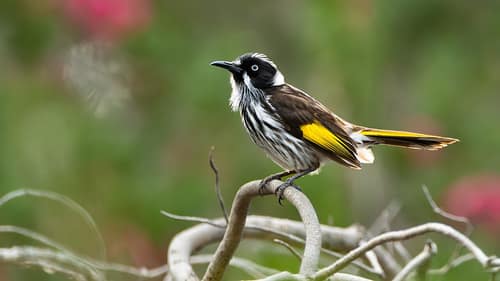
Pollinator Photo by: Paulweberphoto - paulweberphoto.com / CC BY 4.0 · cc-by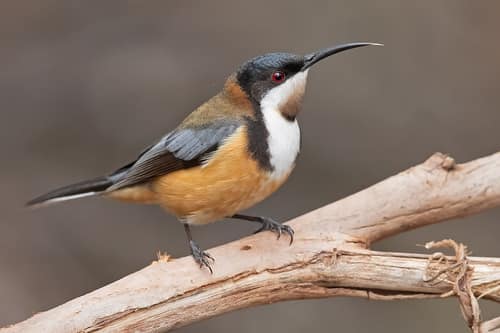
Pollinator JJ Harrison (https://www.jjharrison.com.au/) / CC BY-SA 4.0 · cc-by-sa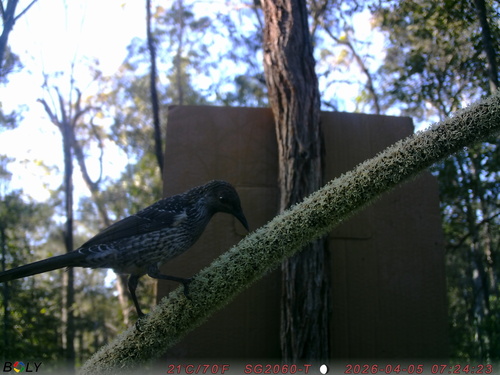
Pollinator (c) Scott W. Gavins, some rights reserved (CC BY) · cc-by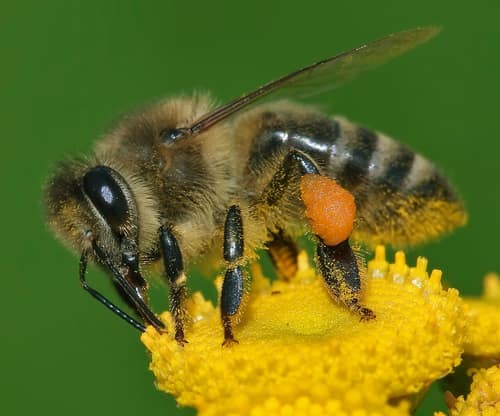
Pollinator Andreas Trepte / CC BY-SA 2.5 · cc-by-sa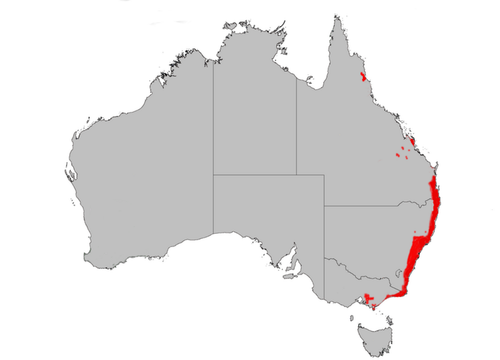
Same Family Gnangarra / Public domain · cc0
Help improve the field guideSomething wrong?
Checking your Fauna account…Report a name, category, or profile issue for review.