
Plant
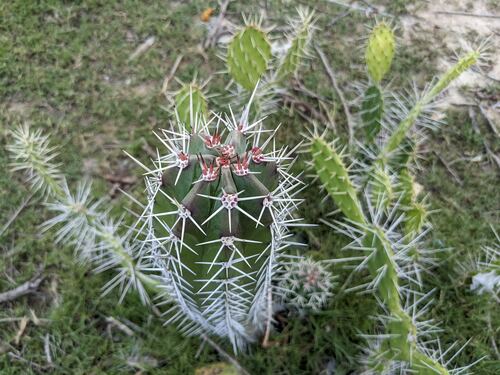
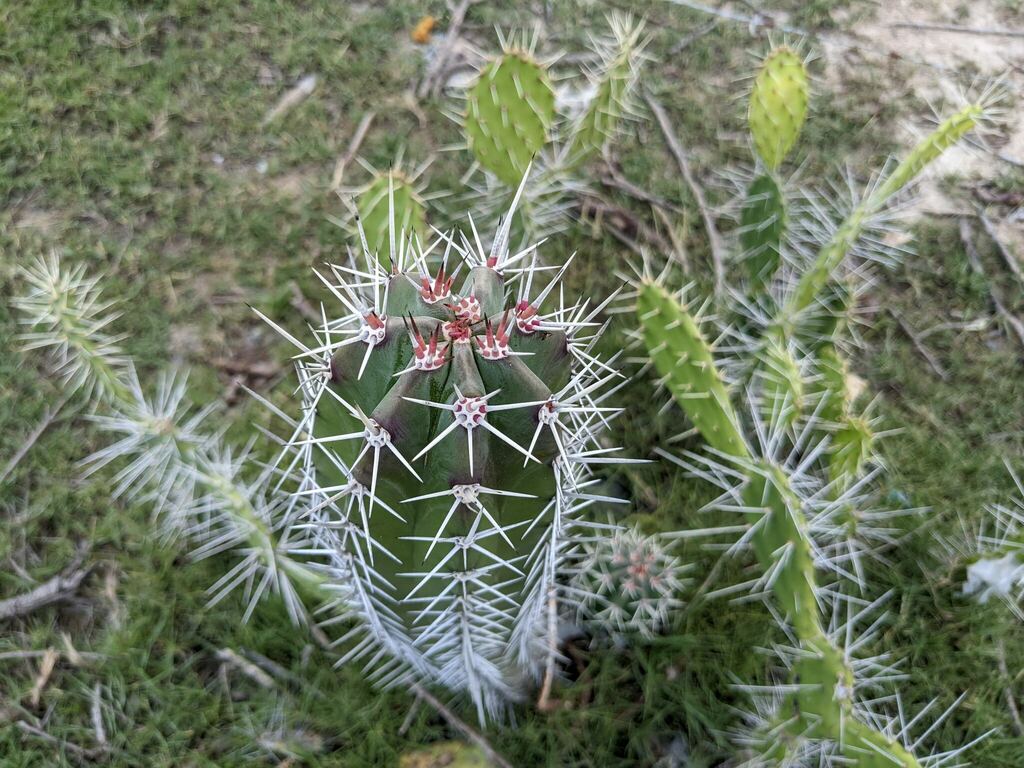
Stenocereus griseus
Stenocereus griseusAlso known as Mexican Organ Pipe, Dagger Cactus, Pitaya, Pitayo De Mayo
Mexican organ pipe cacti form dense, candelabra-like thickets across arid landscapes, sending up dozens of ribbed, blue-green columns from a single branching trunk. White, nocturnal flowers open for a single night, welcoming nectar-feeding bats and moths before giving way to spherical, spine-covered fruits. These towering succulents serve as critical keystone structures in dry habitats, providing moisture, nesting cavities, and perches for desert fauna.
SucculentNocturnal BloomsArid
—observations
—countries
—peak records
Least ConcernConservation statusIUCN Red List categoriesLCNTVUENCREWEXLeast ConcernRed List categories, explained →
Diet & preyAutotrophic (photosynthesis)
Predators
- Long-nosed bats (fruit)
- Desert woodrats (seeds)
- Cactus longhorn beetles
ThreatsHabitat clearance for agriculture, urbanization, and excessive wild harvesting
HabitatsArid scrublands, thorn forests, and rocky desert hillsides
Life span50–100+ years
Classification
- OrderCaryophyllales
- FamilyCactaceae
- GenusStenocereus
- SpeciesStenocereus griseus
Range data is not available yet.
Interaction riskLow
- Low
- Moderate
- High
- Very high
- Why interaction risk is low
- Wild fruits have toxic look-alikes; never eat wild cactus fruit based on app identification alone.
Responsible observation
- Watch the spines: Maintain a distance of at least a meter to avoid sharp, rigid radial spines.
- Night viewing: Check mature crowns after dark in late spring to spot nocturnal blossoms and pollinators.
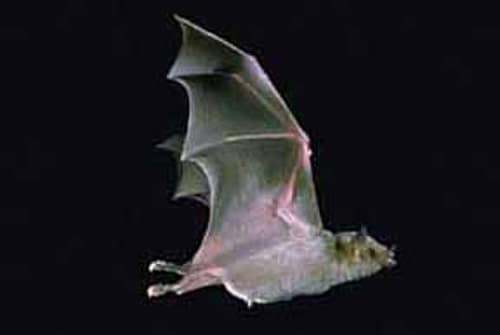
Pollinator Joelr31~commonswiki (talk · contribs) / Public domain · cc0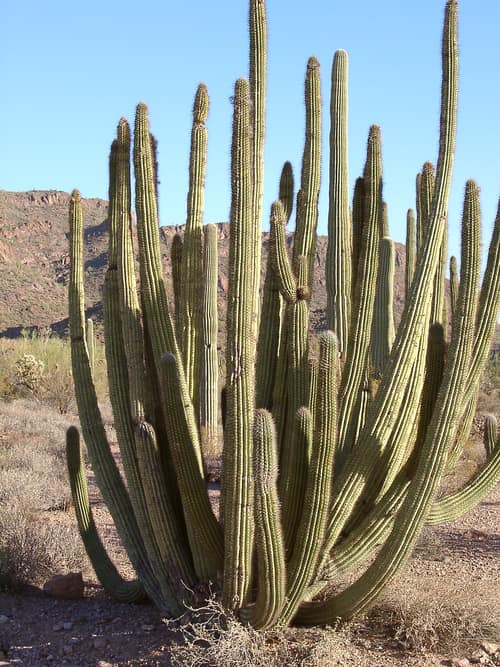
Close Relative The original uploader was Pretzelpaws at English Wikipedia. / CC BY-SA 3.0 · cc-by-sa
Same Family WClarke / CC BY-SA 3.0 · cc-by-sa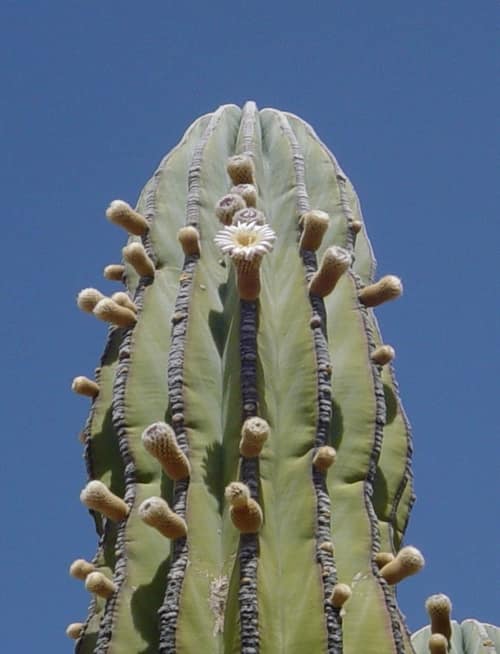
Same Family (c) Stephen Marlett, some rights reserved (CC BY-SA) · cc-by-sa
Help improve the field guideSomething wrong?
Checking your Fauna account…Report a name, category, or profile issue for review.