
Plant
Old-man-of-the-Andes
Oreocereus celsianusAlso known as Old Man Cactus, Old Man of the Mountain
Columns of thick green stems rise standard-like from high Andean slopes, shrouded in dense coats of silvery white wool. This silky hair functions as a natural shield, deflecting intense high-altitude sunlight by day while trapping heat against freezing night temperatures. Long yellow to brown spines pierce through the woolly coat, protecting the stem while bright red tubular flowers bloom near the top to attract pollinating hummingbirds.
SucculentHigh AltitudeDesert
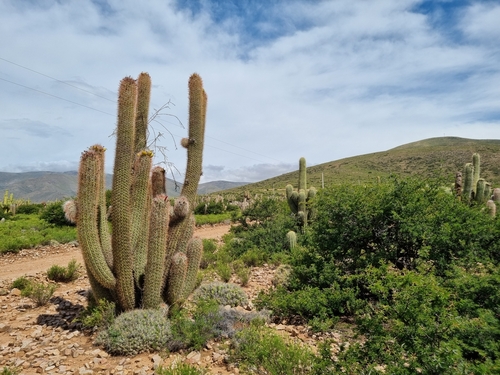
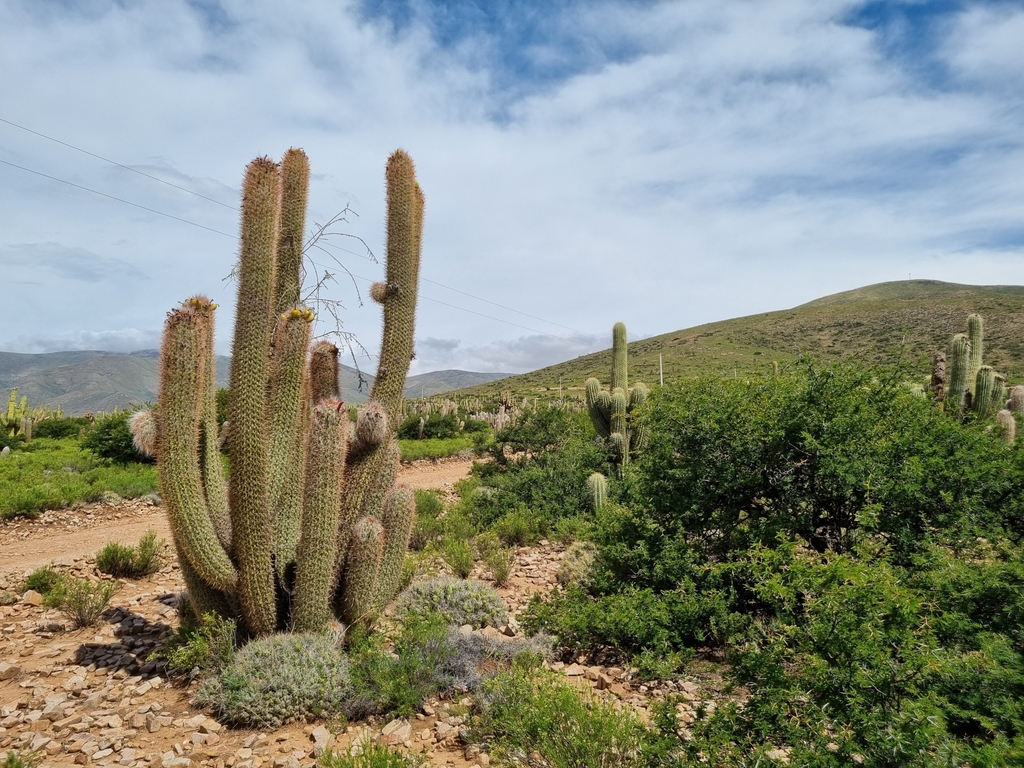
—observations
—countries
—peak records
Least ConcernConservation statusIUCN Red List categoriesLCNTVUENCREWEXLeast ConcernRed List categories, explained →
Diet & preyAutotrophic (Photosynthesis)
Predators
- Grazing livestock
- Small rodents
- Cactus-boring insects
ThreatsIllegal collection for ornamental trade, habitat degradation from livestock grazing
HabitatsHigh-altitude rocky slopes, puna grasslands, Andean mountain scrub
Life span50–100+ years
Classification
- OrderCaryophyllales
- FamilyCactaceae
- GenusOreocereus
- SpeciesOreocereus celsianus
Range data is not available yet.
Interaction riskLow
- Low
- Moderate
- High
- Very high
- Why interaction risk is low
- Sharp spines concealed beneath the wool can puncture skin; observe without handling.
Responsible observation
- Safe Viewing: Admire the soft-looking hair from a short distance without pressing into hidden sharp spines.
- Garden Care: Provide gritty, fast-draining soil and maximum sunlight to maintain dense wool production.
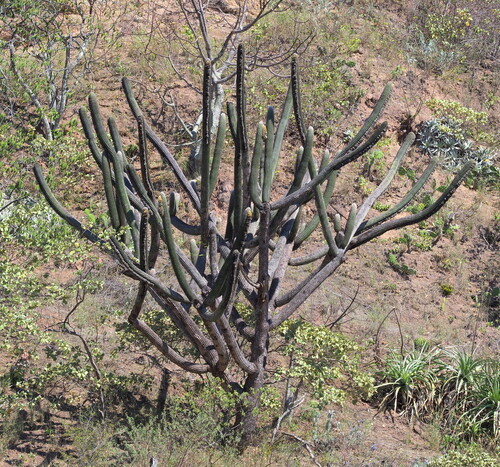
Look-alike (c) Rosario Douglas, some rights reserved (CC BY) · cc-by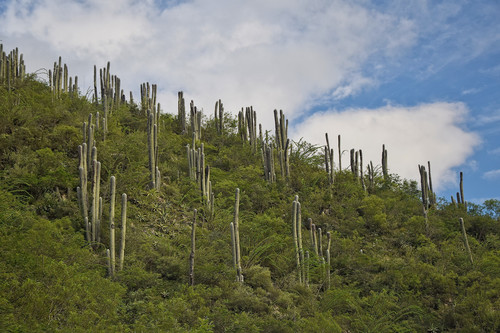
Look-alike (c) Frank Sengpiel, some rights reserved (CC BY), uploaded by Frank Sengpiel · cc-by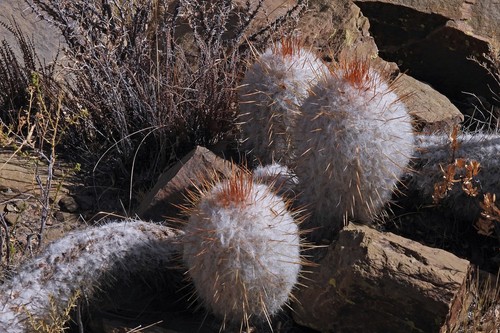
Close Relative no rights reserved · cc0
Help improve the field guideSomething wrong?
Checking your Fauna account…Report a name, category, or profile issue for review.