
Plant
Echinopsis calochlora
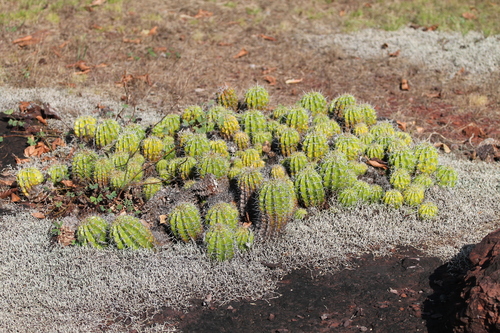
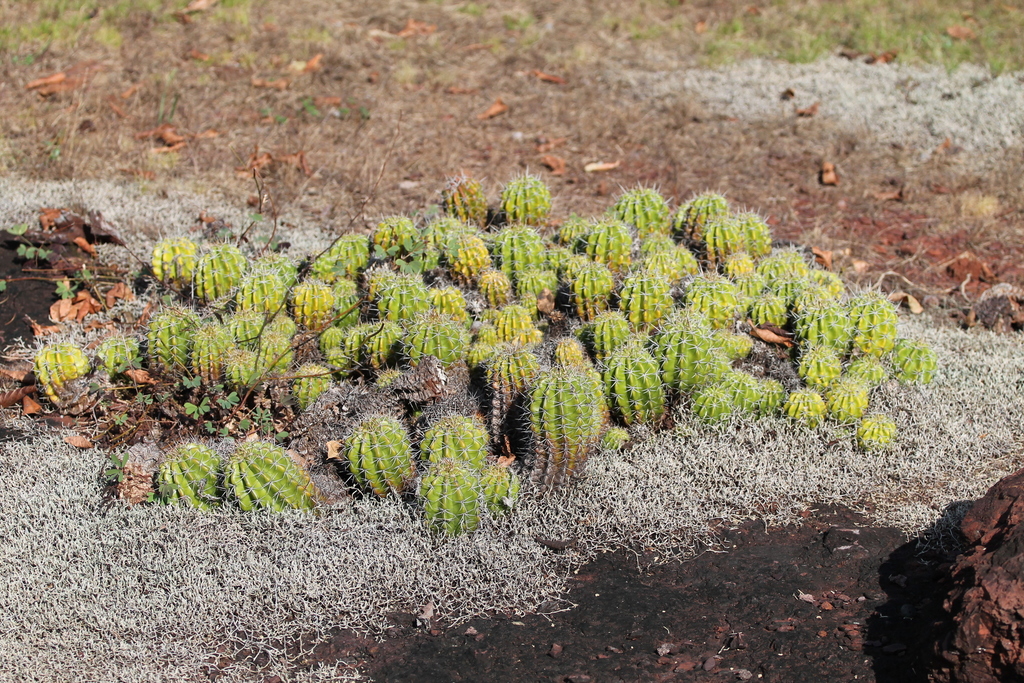
Echinopsis calochloraEchinopsis calochlora forms compact clumps of bright, glossy green globose stems that offset freely from the base. Huge, funnel-shaped white blossoms burst open at dusk and last only through the following morning, perfuming the night air to attract nocturnal pollinators like hawkmoths. Native to rocky dry scrublands in eastern Bolivia, it relies on succulent ribbed stems to store water during prolonged seasonal droughts.
SucculentNocturnal BloomingDesert Plant
—observations
—countries
—peak records
Least ConcernConservation statusIUCN Red List categoriesLCNTVUENCREWEXLeast ConcernRed List categories, explained →
Diet & preySunlight, Water, Mineral nutrients
Predators
- Desert rodents
- Grazing livestock
- Cactus beetle larvae
ThreatsHabitat conversion for grazing, agricultural clearing, and wild collection
HabitatsDry rocky scrub, hillside slopes, and thorn forests
Life span20–50 years
Classification
- OrderCaryophyllales
- FamilyCactaceae
- GenusEchinopsis
- SpeciesEchinopsis calochlora
Range data is not available yet.
Interaction riskLow
- Low
- Moderate
- High
- Very high
- Why interaction risk is low
- Safe to observe at a normal distance; sharp spines can puncture skin if handled carelessly.
Responsible observation
- Timing blooms: Check clusters at dusk or early morning when the short-lived blossoms open fully.
- Physical caution: Admire without touching, as the yellowish spines easily pierce skin and light fabrics.
- Habitat etiquette: Avoid stepping on rocky outcrops where shallow root systems cling to loose soil.
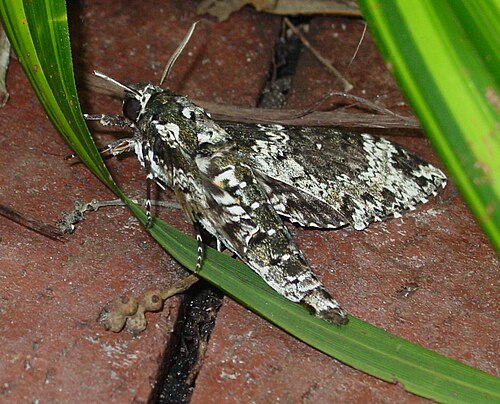
Pollinator pondhawk / CC BY 2.0 · cc-by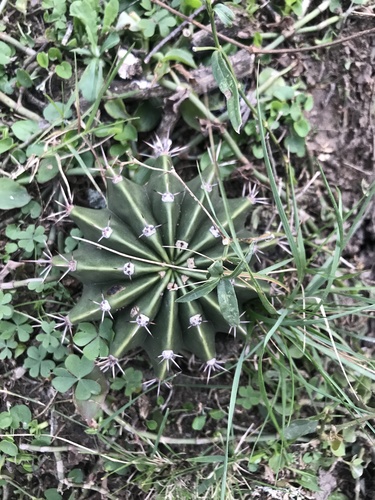
Close Relative no rights reserved · cc0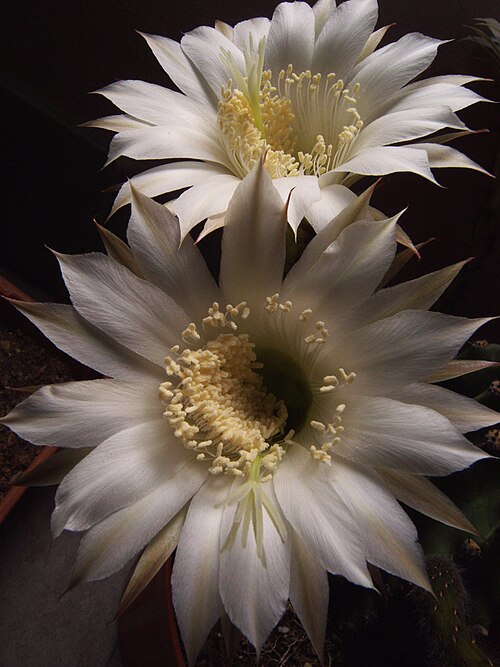
Close Relative pollobarca2 / CC BY-SA 2.0 · cc-by-sa Image unavailable
Close Relative
Help improve the field guideSomething wrong?
Checking your Fauna account…Report a name, category, or profile issue for review.