
Plant · GBIF taxon 7281375
Easter Lily Cactus
Echinopsis oxygonaAlso known as Eyries Cactus, Sea-urchin Cactus, Night-blooming Hedgehog Cactus
Easter lily cacti form ribbed, globose stems that gradually elongate and form clustering clumps covered in sharp radial spines. During late spring and summer, mature plants produce massive, trumpet-shaped flowers that open at dusk and release an intensely sweet perfume to attract nocturnal pollinators. These impressive blossoms typically last only a single day, fading by the heat of the next afternoon.
SucculentFragrantNight Blooming
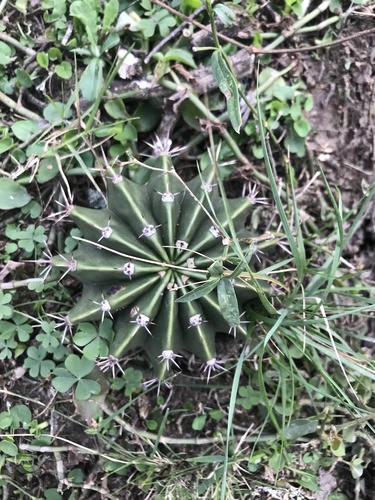
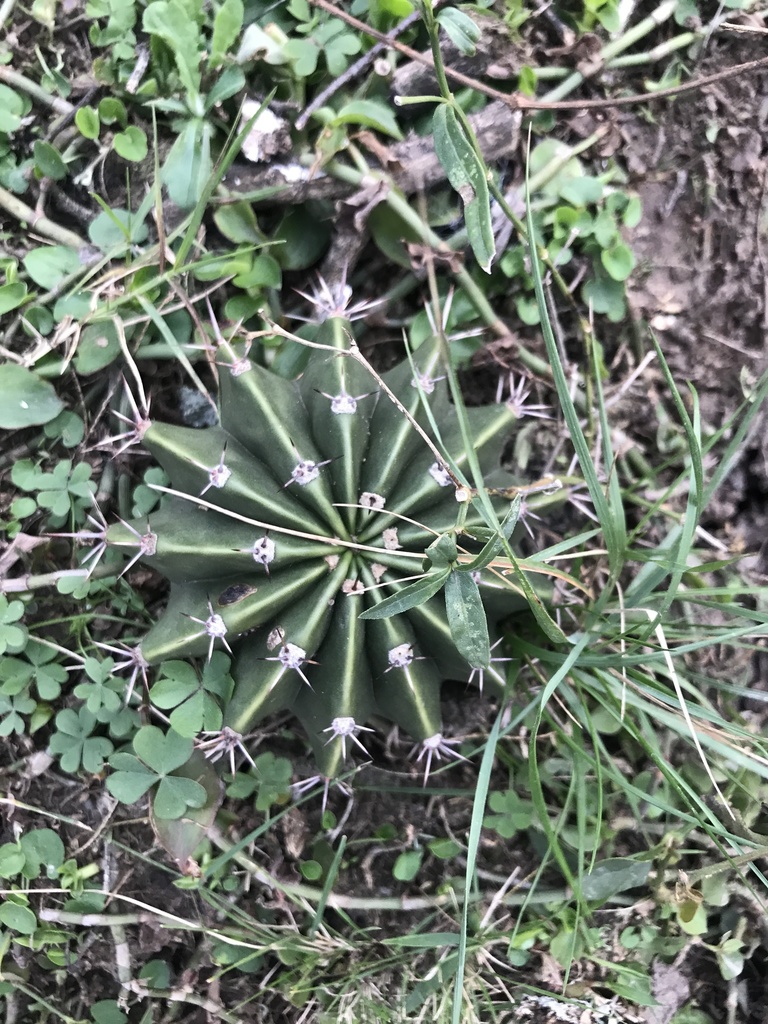
—observations
—countries
—peak records
Least ConcernConservation statusIUCN Red List categoriesLCNTVUENCREWEXLeast ConcernRed List categories, explained →
Diet & prey
- Photosynthetic
Predators
- Rodents
- Peccaries
- Insect larvae
ThreatsHabitat loss, agricultural conversion
HabitatsSubtropical grasslands, rocky outcrops, arid scrublands
Life span20–50 years
Size / weightNot available
Classification
- OrderCaryophyllales
- FamilyCactaceae
- GenusEchinopsis
- SpeciesEchinopsis oxygona
Range data is not available yet.
Interaction riskLow
- Low
- Moderate
- High
- Very high
- Why interaction risk is low
- Safe to observe at a normal distance, though sharp spines can easily puncture skin.
Responsible observation
- Observation: Look for emerging woolly flower buds along upper ribs during late spring.
- Timing: Visit at dusk or early morning to catch open blooms before they fade.
- Handling: Keep hands clear of sharp radial spines clustered along the stem ridges.
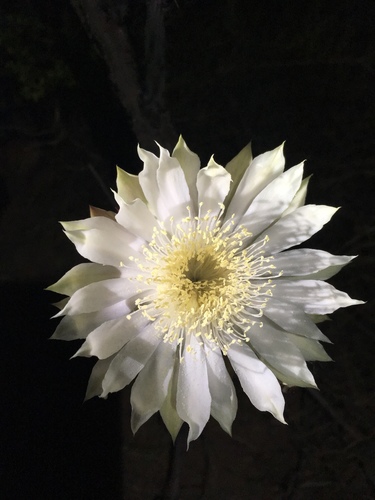
Ecological Counterpart no rights reserved · cc0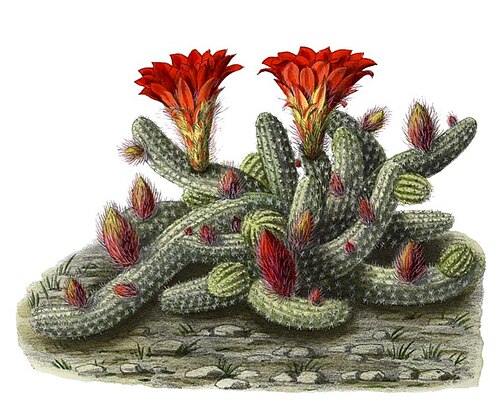
Close Relative Toni Gürke / Public domain · cc0 Image unavailable
Close Relative Close Relative
Help improve the field guideSomething wrong?
Checking your Fauna account…Report a name, category, or profile issue for review.