
Flower
Clematis patens
Clematis patensAlso known as Spreading Clematis, Kazaguruma Clematis, Japanese Clematis
Spreading clematis climbs by twisting its sensitive leaf petioles around neighboring shrubs, ascending rapidly into the sunlight along East Asian woodland margins. In late spring, it unfurls dramatic, broad-faced blossoms with six to eight pointed sepals that range from pale lilac to creamy white around a dense cluster of stamens. Extensively bred by horticulturists since the nineteenth century, this wild climber forms the genetic foundation for nearly all modern large-flowered garden clematis cultivars.
Climbing VineFloweringDeciduous
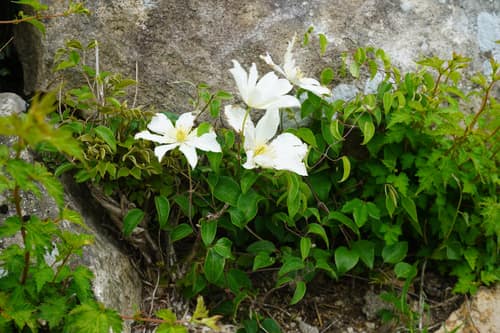
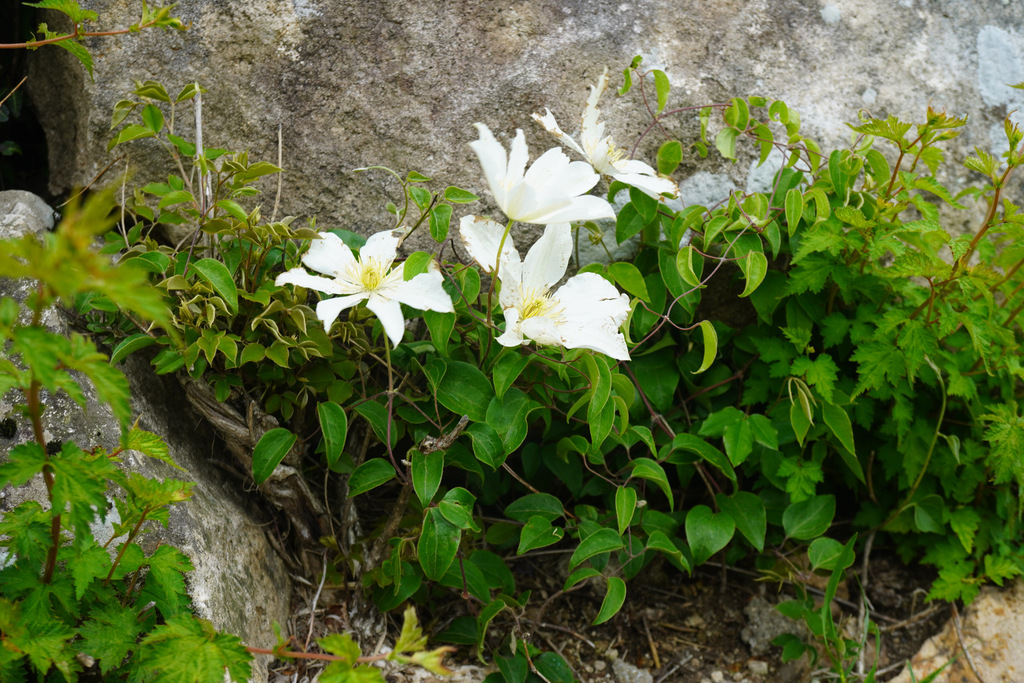
—observations
—countries
—peak records
Not EvaluatedConservation statusIUCN Red List categoriesLCNTVUENCREWEXNot Evaluated — not placed on the risk ladderRed List categories, explained →
Diet & preyAutotrophic (photosynthetic)
Predators
- Slugs and snails
- Aphids
- Spider mites
ThreatsHabitat loss from urban development, overcollection of wild stock, and invasive competition
HabitatsTemperate forest margins, open woodlands, scrubby hillsides, and river valleys
Life span25–50 years
Classification
- OrderRanunculales
- FamilyRanunculaceae
- GenusClematis
- SpeciesClematis patens
Range data is not available yet.
Interaction riskHigh
- Low
- Moderate
- High
- Very high
- Why interaction risk is high
- Crushed foliage releases protoanemonin, which irritates skin; toxic to humans, dogs, and cats if ingested.
- Why it is dangerous
- Tissues contain ranunculin, an unstable glucoside that breaks down into protoanemonin to cause contact dermatitis, mouth blistering, and vomiting.
- How to recognize a risky encounter
- Recognized by woody climbing stems, opposite trifoliate leaves, and solitary spring flowers with 6 to 8 broad, petal-like sepals.
- What to do
- Wear protective gloves when pruning damaged stems, and keep clippings out of reach of household pets.
Responsible observation
- Support structure: Provide thin trellising or mesh under two centimeters in diameter so leaf stalks can curl around it.
- Pruning timing: Trim stems lightly only after early summer blooming, as blossoms arise on overwintered growth.
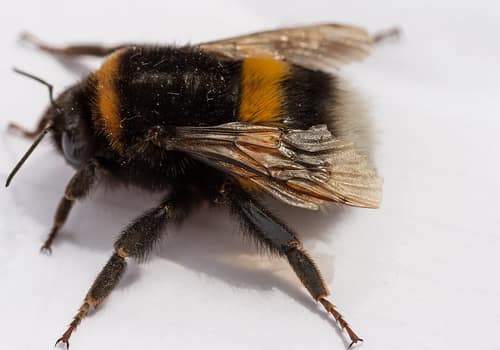
Pollinator Marco Almbauer / CC0 · cc0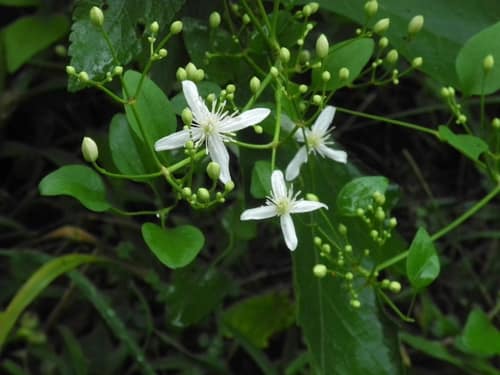
Close Relative (c) Michael J. Papay, some rights reserved (CC BY), uploaded by Michael J. Papay · cc-by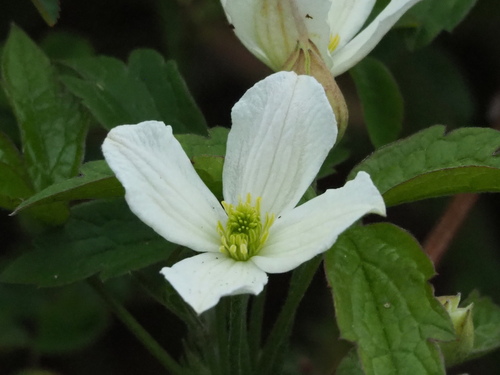
Close Relative no rights reserved, uploaded by 葉子 · cc0
Close Relative (c) Alexis Tinker-Tsavalas, some rights reserved (CC BY), uploaded by Alexis Tinker-Tsavalas · cc-by
Help improve the field guideSomething wrong?
Checking your Fauna account…Report a name, category, or profile issue for review.