
Plant
Tambataru
Zanthoxylum rhoifoliumAlso known as Prickly Ash
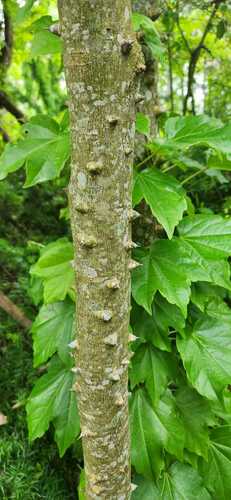
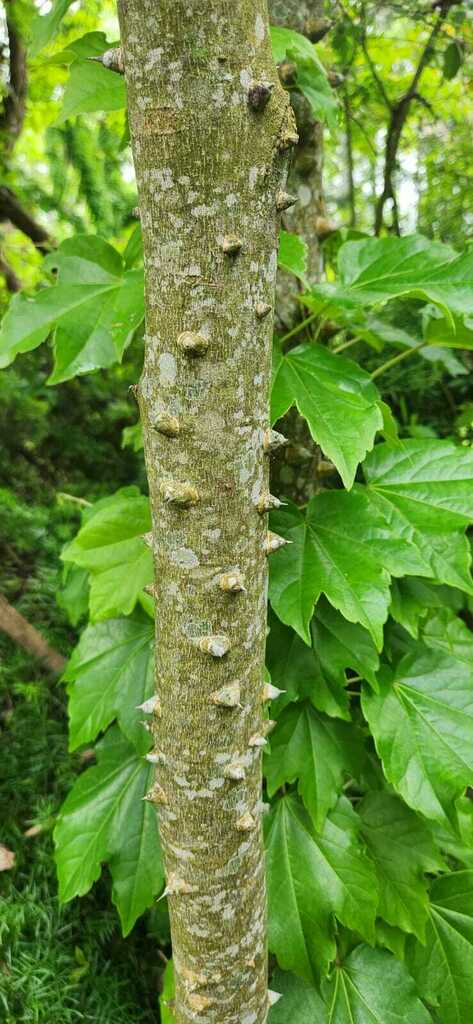
Tambataru is a fast-growing, deciduous to semi-deciduous tree instantly recognizable by the stout, conical spines studding its pale gray trunk and branches. Its compound leaves contain tiny translucent oil glands that release a sharp citrus scent when crushed, while clusters of small greenish-white flowers give way to reddish capsules that split open to reveal glossy black seeds. Thriving in sunny clearings across Central and South America, it serves as an important pioneer tree in the Cerrado savanna and along tropical forest edges.
Spiny TrunkAromatic FoliagePioneer Tree
—observations
—countries
—peak records
Least ConcernConservation statusIUCN Red List categoriesLCNTVUENCREWEXLeast ConcernRed List categories, explained →
Diet & preyPhotosynthesis; absorbs water and mineral nutrients from soil
Predators
- Swallowtail butterfly caterpillars
- Leaf-cutting ants
- Seed-eating beetles
ThreatsHabitat conversion for agriculture and cattle pasture, frequent wildfires, and selective clearing
HabitatsCerrado savannas, tropical dry forests, gallery forests, and secondary woodland edges across Central and South America
Life span30 to 60 years
Classification
- OrderSapindales
- FamilyRutaceae
- GenusZanthoxylum
- SpeciesZanthoxylum rhoifolium
Range data is not available yet.
Interaction riskLow
- Low
- Moderate
- High
- Very high
- Why interaction risk is low
- Safe to observe at a normal distance, though the trunk and branches bear sharp conical spines.
Responsible observation
- Inspect the Bark: Look for the broad, conical spines covering the trunk and older branches.
- Crush a Leaf Gently: Rubbing a leaflet releases a bright, citrus-like aroma characteristic of the Rutaceae family.
- Watch the Canopy: Small flowers and splitting seed capsules attract bees, swallowtail butterflies, and foraging birds.
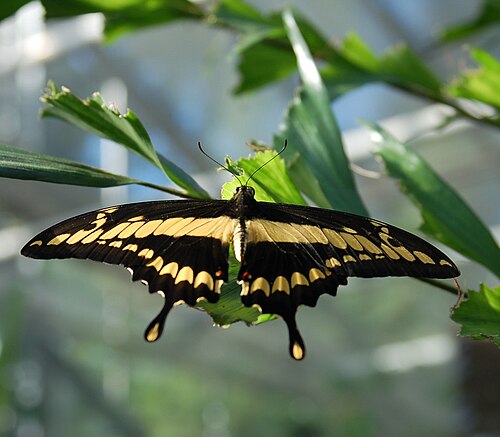
Herbivore Tubifex / CC BY-SA 3.0 · cc-by-sa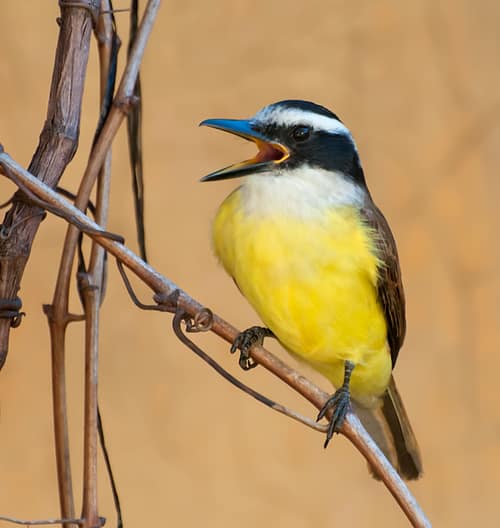
Seed Disperser (c) Dario Sanches, some rights reserved (CC BY-SA) · cc-by-sa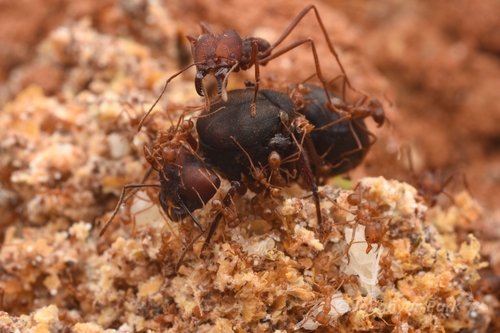
Herbivore (c) Jonghyun Park, some rights reserved (CC BY), uploaded by Jonghyun Park · cc-by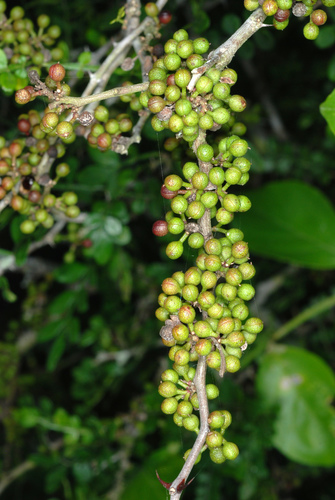
Close Relative (c) Douglas Goldman, some rights reserved (CC BY-SA), uploaded by Douglas Goldman · cc-by-sa Image unavailable
Close Relative
Help improve the field guideSomething wrong?
Checking your Fauna account…Report a name, category, or profile issue for review.