
Plant
Drymaria villosa
Drymaria villosaAlso known as Villous Drymaria
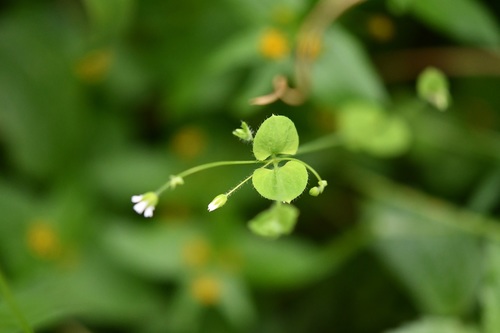
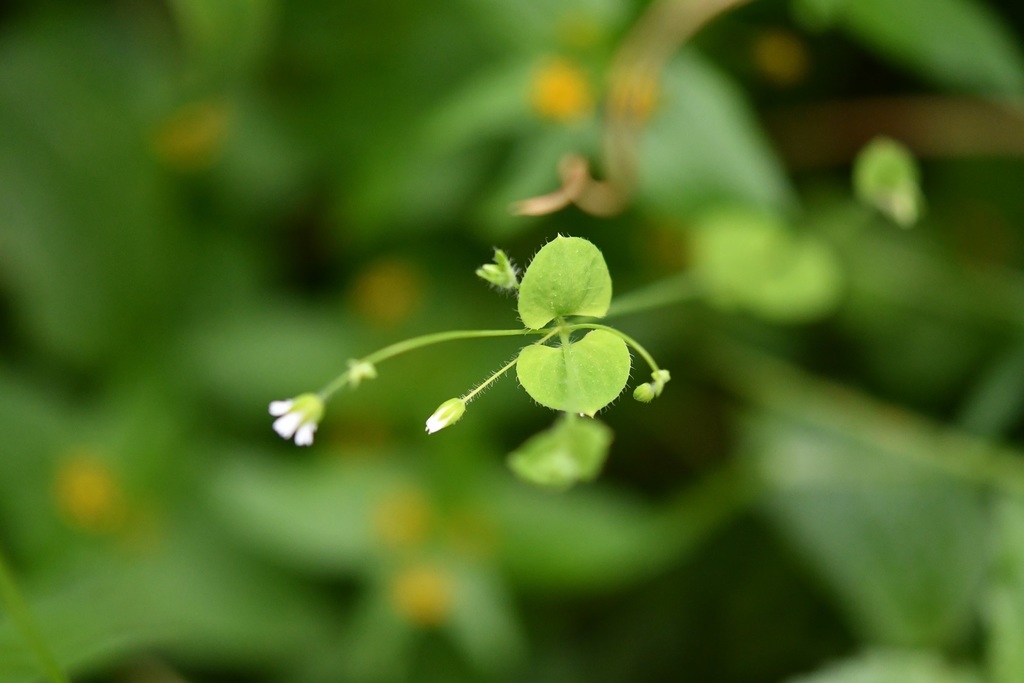
Hairy drymaria forms low, tangled mats of slender, softly hairy stems that creep along damp soil and root wherever nodes touch the ground. Its tiny white flowers carry five deeply notched petals that open in loose clusters, attracting small flies and solitary bees for pollination. Native to the Americas, it has naturalized across tropical and subtropical regions worldwide as a quiet colonizer of shaded paths and garden beds.
HerbaceousGroundcoverWhite-flowered
—observations
—countries
—peak records
Not EvaluatedConservation statusIUCN Red List categoriesLCNTVUENCREWEXNot Evaluated — not placed on the risk ladderRed List categories, explained →
Diet & preyPhotosynthetic autotroph (sunlight, water, and mineral nutrients from moist soil).
Predators
- Slugs
- Aphids
- Foliage-feeding caterpillars
ThreatsNo major species-level threats; locally controlled as a garden or agricultural weed.
HabitatsMoist disturbed ground, shaded roadsides, forest edges, gardens, and montane clearings.
Life spanAnnual or short-lived perennial, typically 6–18 months.
Classification
- FamilyCaryophyllaceae
- SpeciesDrymaria villosa
Range data is not available yet.
Interaction riskLow
- Low
- Moderate
- High
- Very high
- Why interaction risk is low
- Safe to observe at a normal distance.
Responsible observation
- Spot the Details: Look closely at the stems and flower stalks with a hand lens to see the dense, soft hairs that separate it from smoother relatives.
- Check the Petals: Notice the five tiny white petals, each split nearly in half like miniature rabbit ears.
- Trace the Stems: Follow trailing runners to see fine roots anchoring at the leaf nodes in damp soil.
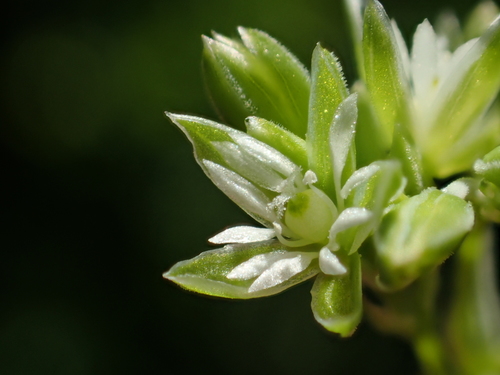
Close Relative no rights reserved, uploaded by 葉子 · cc0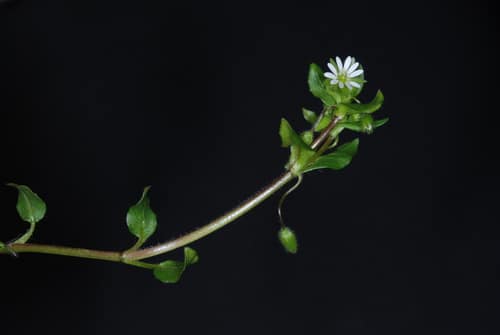
Same Family (c) Douglas Goldman, some rights reserved (CC BY-SA), uploaded by Douglas Goldman · cc-by-sa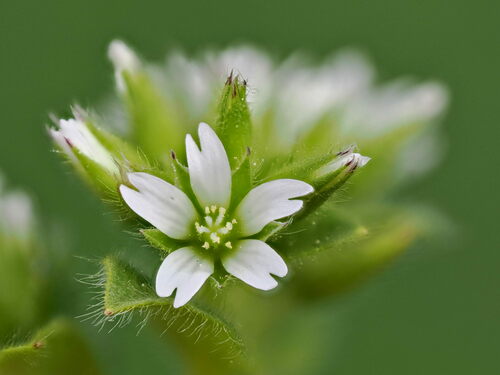
Same Family (c) Gilles San Martin, some rights reserved (CC BY-SA), uploaded by Gilles San Martin · cc-by-sa
Help improve the field guideSomething wrong?
Checking your Fauna account…Report a name, category, or profile issue for review.