
Plant
Zebra-plant
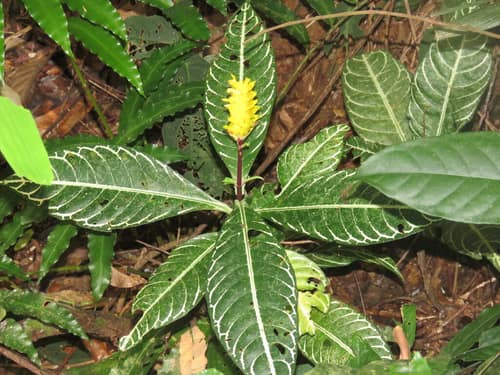
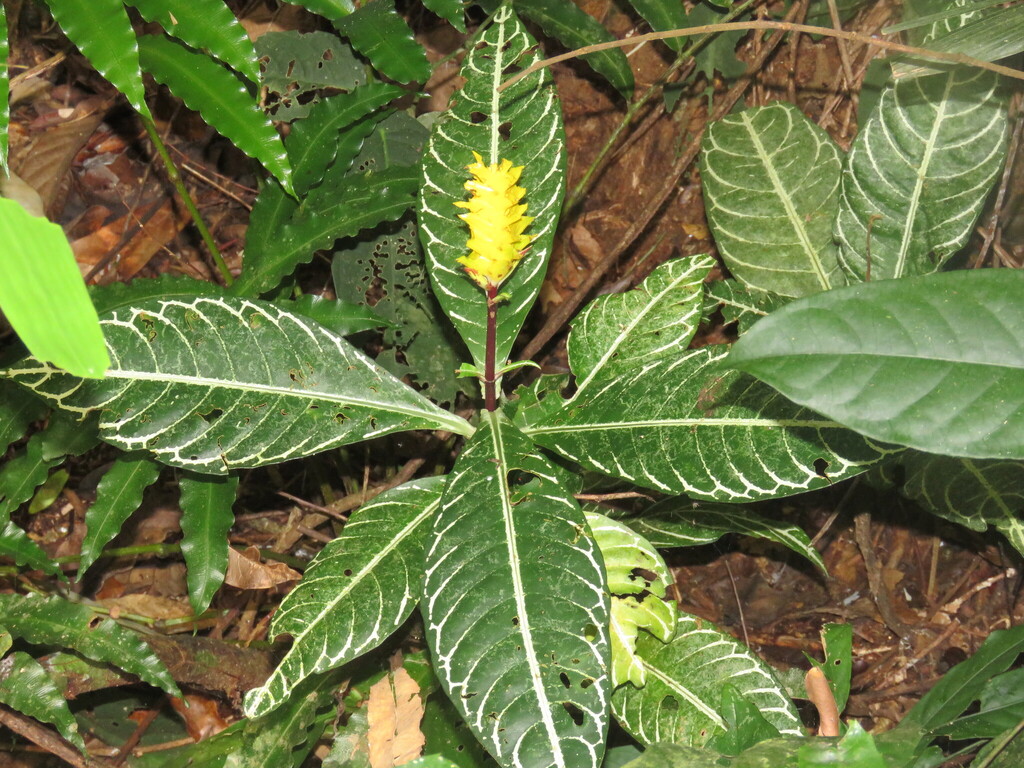
Aphelandra squarrosaZebra-plants thrive in moist Atlantic Forest understories, displaying dramatic dark green leaves traced with bold ivory veins. During the warmer months, mature plants produce upright, four-sided spikes of vivid golden bracts that cradle short-lived yellow flowers adapted for hummingbird pollination. Although cultivated worldwide as a beloved foliage houseplant, wild populations rely on humid conditions beneath mature tropical canopies.
TropicalUnderstoryOrnamental
—observations
—countries
—peak records
Not EvaluatedConservation statusIUCN Red List categoriesLCNTVUENCREWEXNot Evaluated — not placed on the risk ladderRed List categories, explained →
Diet & preyAutotrophic (photosynthetic)
Predators
- Spider mites
- Caterpillars
- Mealybugs
ThreatsDeforestation, habitat fragmentation, agricultural clearance
HabitatsTropical rainforest understory, Atlantic Forest
Life span5–10 years
Classification
- OrderLamiales
- FamilyAcanthaceae
- GenusAphelandra
- SpeciesAphelandra squarrosa
Range data is not available yet.
Interaction riskLow
- Low
- Moderate
- High
- Very high
- Why interaction risk is low
- Non-toxic to humans, dogs, and cats; safe to observe and touch at close range.
Responsible observation
- Lighting Needs: Provide bright, filtered sunlight to keep leaf patterns vibrant without burning tissue.
- Humidity Maintenance: Keep ambient humidity high to prevent delicate leaf edges from browning or curling.
- Moisture Balance: Water thoroughly when the top layer dries, avoiding waterlogged soil to protect roots.
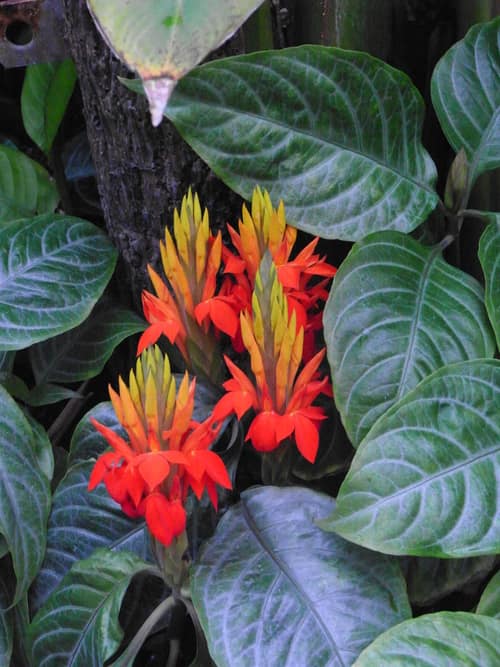
Close Relative (c) ★Kumiko★, some rights reserved (CC BY-SA) · cc-by-sa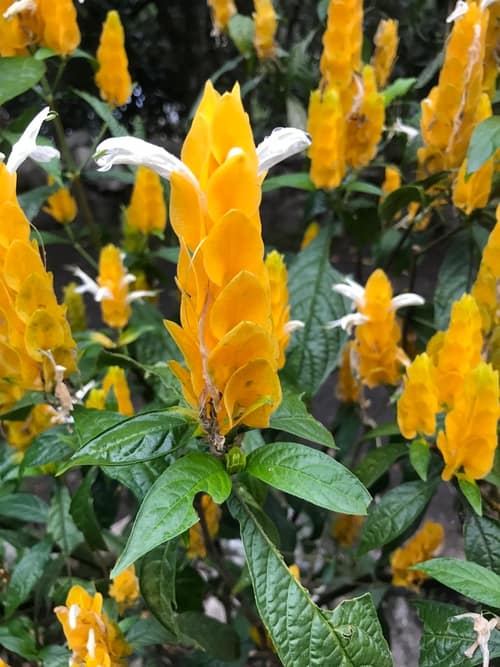
Same Family (c) Jake Armstrong, some rights reserved (CC BY), uploaded by Jake Armstrong · cc-by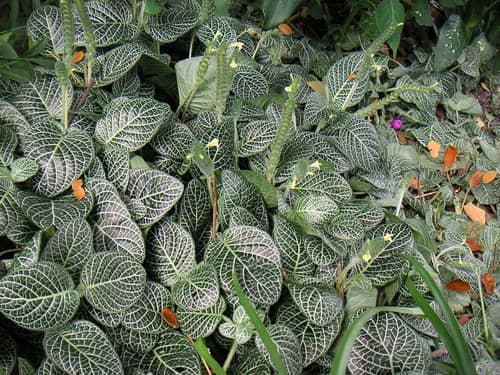
Same Family Louise Wolff --darina 00:12, 7 May 2005 (UTC) / CC BY-SA 3.0 · cc-by-sa
Help improve the field guideSomething wrong?
Checking your Fauna account…Report a name, category, or profile issue for review.