
Mammal · GBIF taxon 7262005
Golden Snub-nosed Monkey
Rhinopithecus roxellanaAlso known as Sichuan Golden Hair Monkey, Sichuan Snub-nosed Monkey
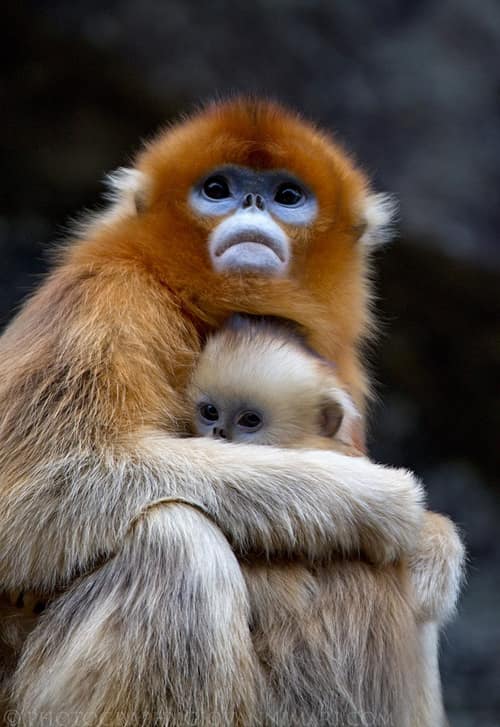
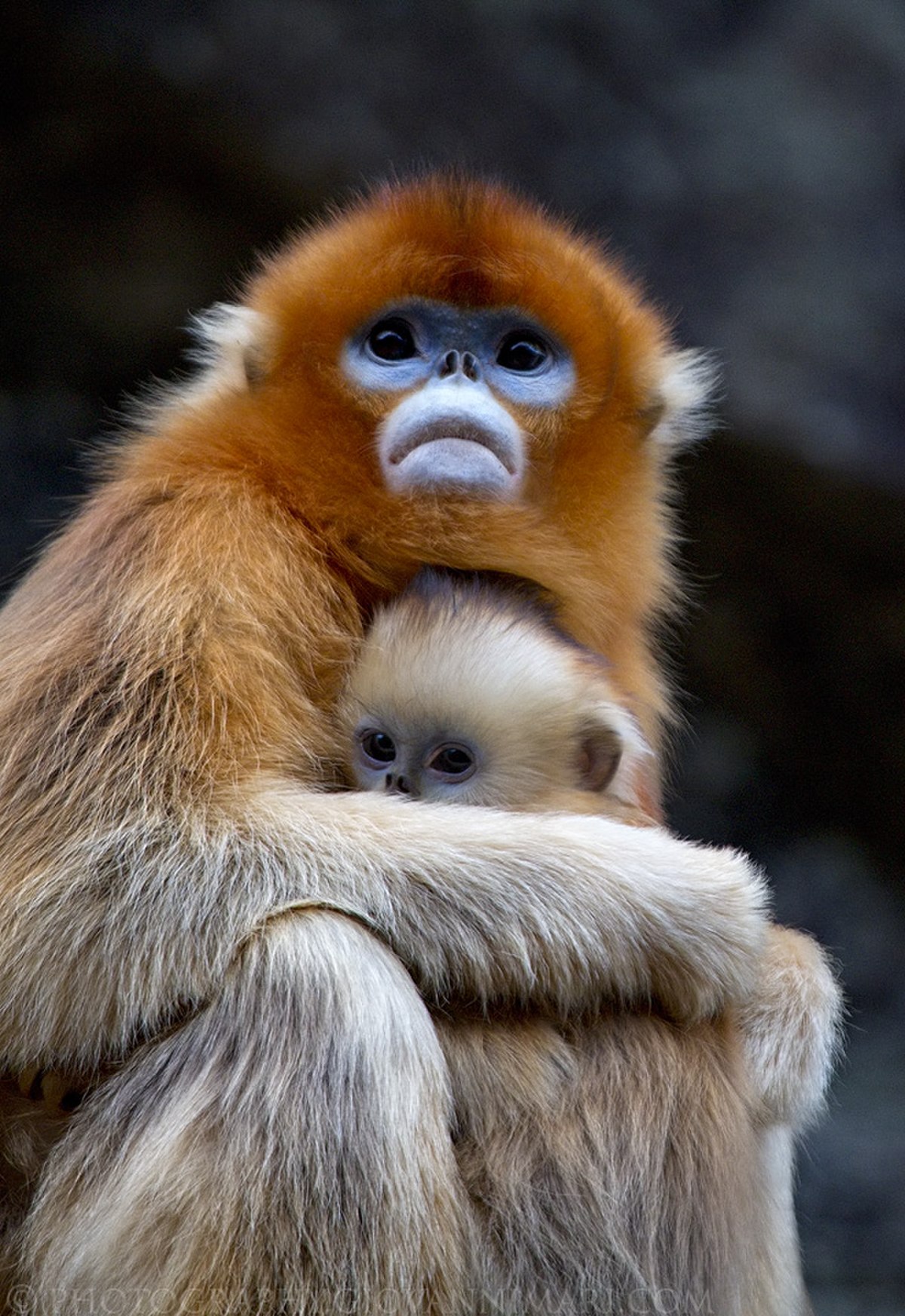
Thick golden coats and vivid turquoise facial skin shield these remarkable primates against harsh high-altitude winters in China's montane forests. Bands composed of smaller family units coalesce into massive mega-troops numbering hundreds of individuals that navigate the snowy canopy together. Specialized multichambered stomachs allow them to digest fibrous tree lichens and bark when seasonal fruits and tender leaves are scarce.
ArborealPrimateMountain-dwelling
Licensed referenceGiovanni Mari / CC BY-SA 2.0 · cc-by-sa
—observations
—countries
—peak records
EndangeredConservation statusIUCN Red List categoriesLCNTVUENCREWEXEndangeredRed List categories, explained →
Diet & prey
- Tree Lichens
- Pine Bark
- Broadleaf Foliage
Predators
- Leopard
- Dhole
- Northern Goshawk
ThreatsHabitat fragmentation, deforestation, climate change
HabitatsTemperate montane and mixed coniferous forests
Life span20–25 years
Size / weightNot available
Classification
- FamilyCercopithecidae
- SpeciesRhinopithecus roxellana
Native
Interaction riskLow
- Low
- Moderate
- High
- Very high
- Why interaction risk is low
- Capable of inflicting severe bites if threatened or cornered; observe quietly from a safe distance.
- Why it is dangerous
- Adult males possess strong jaws and sharp canines capable of inflicting severe puncture wounds if cornered or defending their troop.
- How to recognize a risky encounter
- Recognizable by bright golden-orange fur, blue facial skin, and an upturned snub nose.
- What to do
- Maintain a respectful distance of at least 20 meters and avoid direct eye contact or sudden movements.
- What to notice
- Identified by golden fur, bare blue face, and social group movements through high canopy trees.
- Support conservation
- Observe from designated trails within protected reserves and never disturb resting or feeding troops.
Responsible observation
- Observation Distance: Keep at least 20 meters away to prevent stress and lower disease transmission risks.
- Seasonal Spotting: Look for troops lower on mountain slopes during cold winter months when food resources shift.
- Vocal Cues: Listen for distinct soft coos and squeaks that troops use to maintain contact across dense mountain foliage.

Co-occurring Species no rights reserved, uploaded by James Eaton · cc0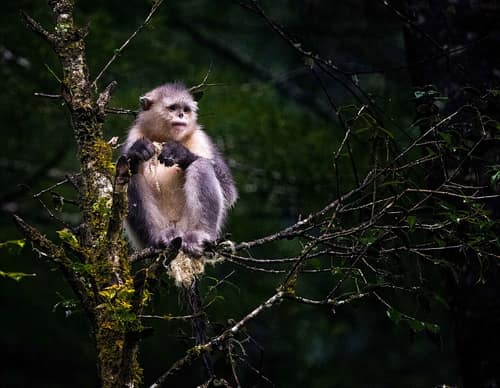
Close Relative Rod Waddington from Kergunyah, Australia / CC BY-SA 2.0 · cc-by-sa Image unavailable
Close Relative 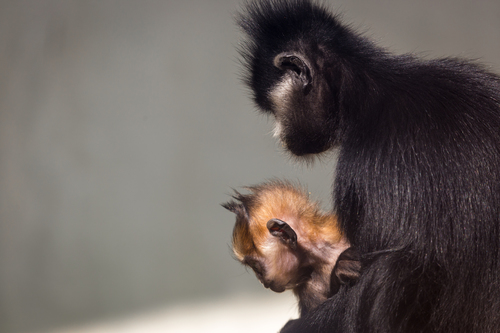
Frugivorous Relative (c) Martinus Scriblerus, some rights reserved (CC BY) · cc-by
Help improve the field guideSomething wrong?
Checking your Fauna account…Report a name, category, or profile issue for review.