
Fungus
Hooded Rosette Lichen
Physcia adscendensAlso known as Hooded Rosette, Fringed Rosette Lichen
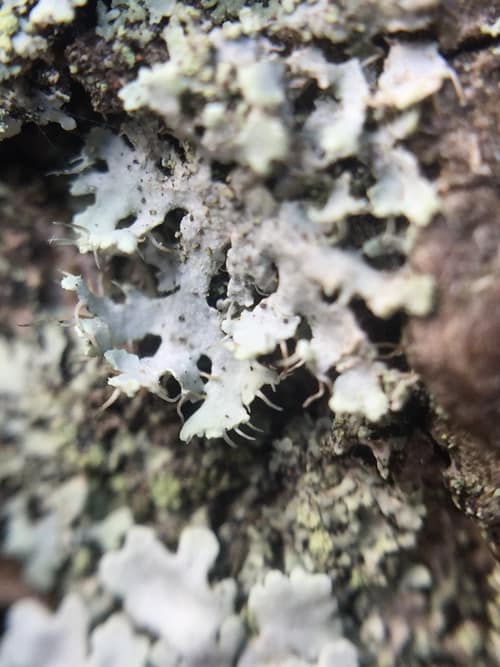
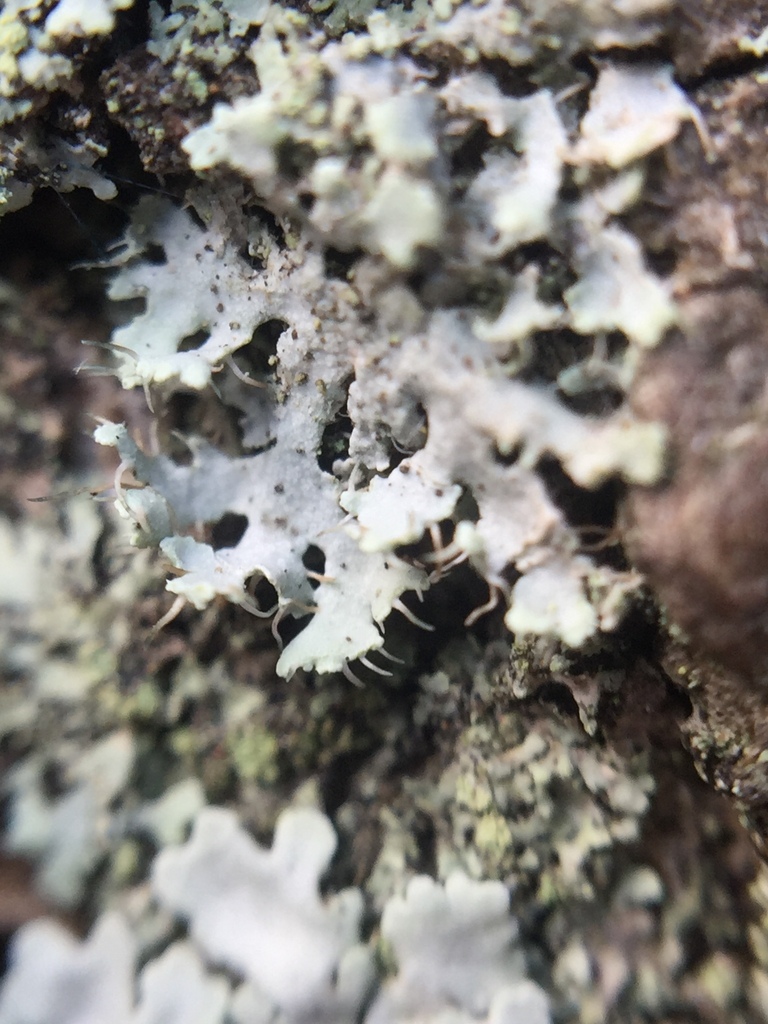
Hooded Rosette Lichen forms small, pale grey-green rosettes characterized by helmet-shaped lobe tips that house powdery reproductive granules. Long, dark-tipped hairs extend from the edges of the thallus, giving it a delicate, fringed appearance. Extremely resilient and tolerant of elevated nitrogen, this pioneer species thrives on nutrient-rich tree bark, fence posts, and urban stone surfaces across the globe.
LichenEpiphyticPioneer Species
—observations
—countries
—peak records
Not EvaluatedConservation statusIUCN Red List categoriesLCNTVUENCREWEXNot Evaluated — not placed on the risk ladderRed List categories, explained →
Diet & preySunlight, Atmospheric moisture, Airborne minerals
Predators
- Slugs
- Snails
- Mites
ThreatsSevere sulfur dioxide air pollution
HabitatsTree bark, exposed twigs, limestone, concrete
Life spanPerennial (decades)
Classification
- OrderCaliciales
- FamilyPhysciaceae
- GenusPhyscia
- SpeciesPhyscia adscendens
Range data is not available yet.
Interaction riskLow
- Low
- Moderate
- High
- Very high
- Why interaction risk is low
- Many edible mushrooms and wild fungi have toxic look-alikes; never eat wild fungi based on app identification alone.
Responsible observation
- Use a hand lens: Examine the lobe tips closely to spot the distinct hollow hoods and powdery soredia inside.
- Check bird perches: Search nutrient-enriched branches, fence posts, and cemetery stones where bird droppings accumulate.
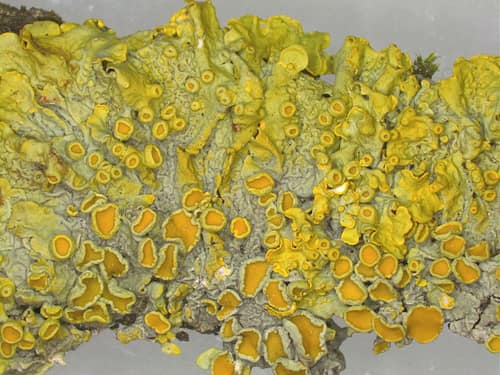
Frequent Companion (c) Donald Hobern, some rights reserved (CC BY) · cc-by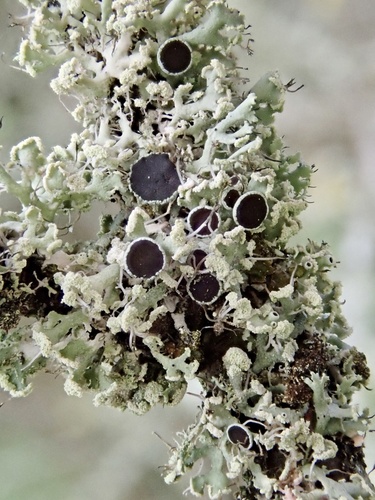
Close Relative (c) Paul Cook, some rights reserved (CC BY), uploaded by Paul Cook · cc-by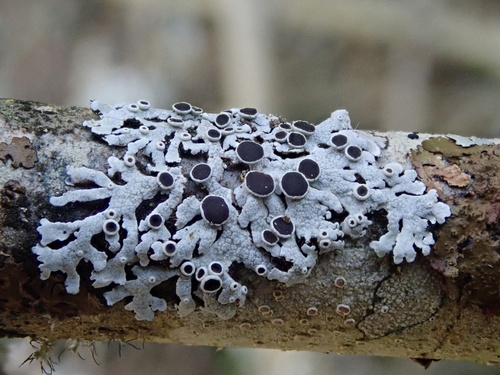
Close Relative (c) Paul Cook, some rights reserved (CC BY), uploaded by Paul Cook · cc-by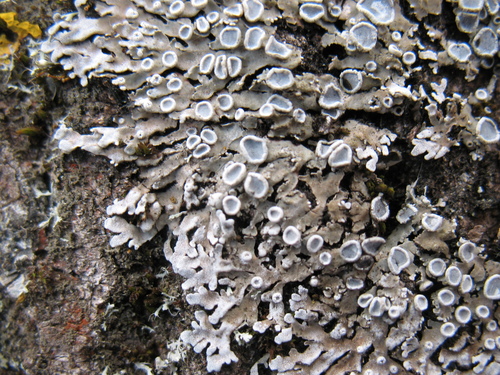
Family Member (c) Lena Struwe, some rights reserved (CC BY-SA), uploaded by Lena Struwe · cc-by-sa
Help improve the field guideSomething wrong?
Checking your Fauna account…Report a name, category, or profile issue for review.