
Fungus
Lesser Rocktripe
Umbilicaria muhlenbergiiAlso known as Plated Rock Tripe, Muhlenberg's Rock Tripe
Lesser rocktripe clings to exposed granite boulders and vertical rock faces by a single central cord called an umbilicus. Its leathery, plate-like thallus features a distinctive cracked and pitted upper surface that curls inward during dry spells, exposing a darker underside to reduce moisture loss. When rehydrated by mountain mists or rain, the lichen quickly softens and resumes photosynthesis through its symbiotic green algal partners.
LichenSaxicolousCold-Hardy
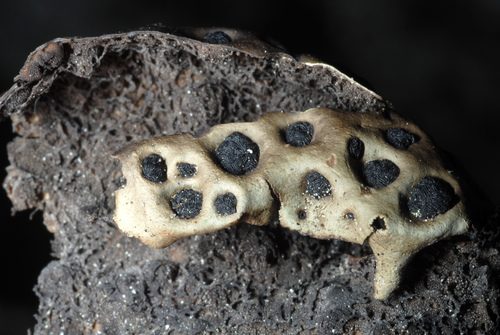
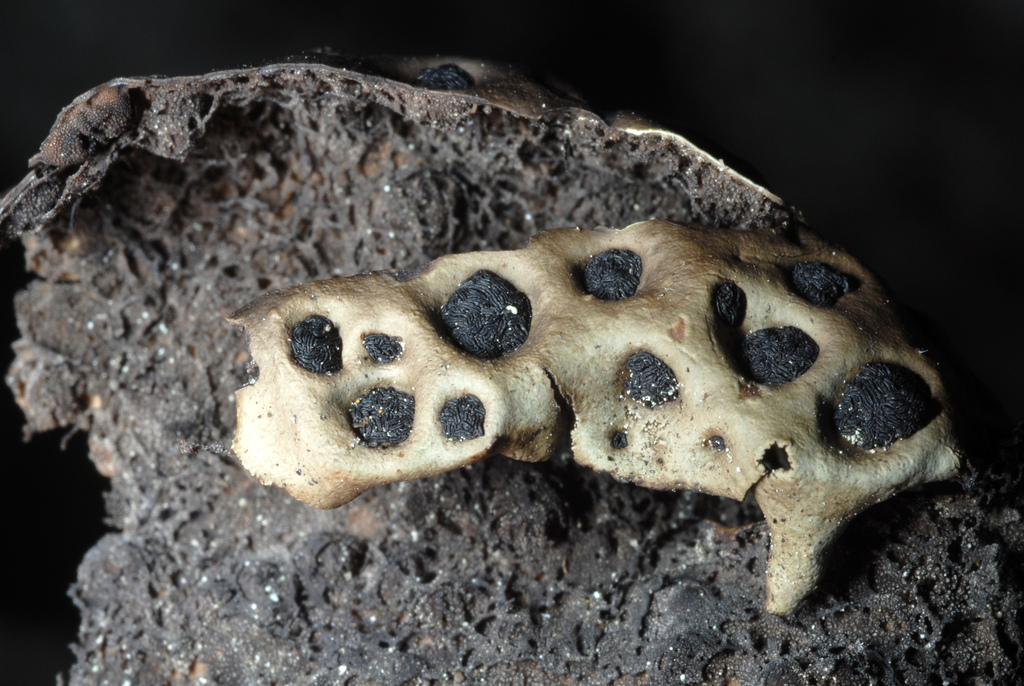
—observations
—countries
—peak records
Not EvaluatedConservation statusIUCN Red List categoriesLCNTVUENCREWEXNot Evaluated — not placed on the risk ladderRed List categories, explained →
Diet & preyPhotosynthetic (via green algal photobiont)
Predators
- Springtails
- Oribatid mites
- Land snails
ThreatsAir pollution, heavy rock-climbing traffic, wildfire
HabitatsExposed acidic rock outcrops, granite cliffs, boulder fields
Life spanDecades to centuries
Classification
- OrderUmbilicariales
- FamilyUmbilicariaceae
- GenusUmbilicaria
- SpeciesUmbilicaria muhlenbergii
Range data is not available yet.
Interaction riskLow
- Low
- Moderate
- High
- Very high
- Why interaction risk is low
- Many edible wild fungi have toxic look-alikes; never eat wild fungi based on app identification alone.
Responsible observation
- Field Inspection: Gently lift the outer edge to view the single central stalk anchoring it to stone.
- Moisture Check: Observe how brittle, dry thalli instantly turn supple and olive-green after rain.
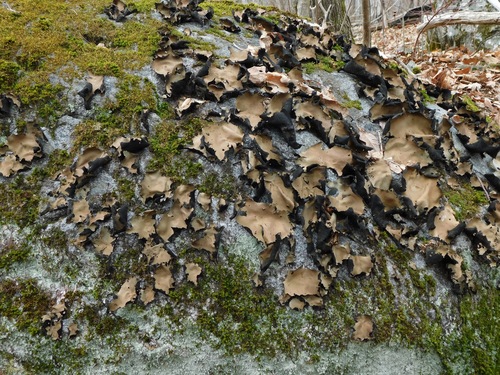
Same Genus (c) Michael J. Papay, some rights reserved (CC BY), uploaded by Michael J. Papay · cc-by Image unavailable
Same Genus 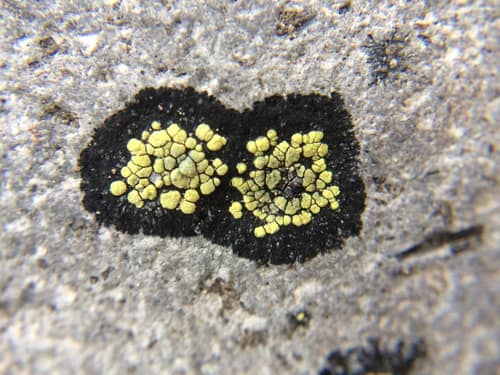
Competitor (c) Jeffrey Lee (he/him/his), some rights reserved (CC BY) · cc-by
Help improve the field guideSomething wrong?
Checking your Fauna account…Report a name, category, or profile issue for review.