
Fungus · GBIF taxon 7245005
Wiffle Ball Stinkhorn
Clathrus crispusWiffle ball stinkhorns emerge rapidly from white, gelatinous underground egg-like structures, expanding into bright scarlet, hollow globes perforated by round apertures. The inner surfaces of these latticed chambers bear an olive-brown, foul-smelling spore slime that mimics the scent of decaying matter. Carrion flies and beetles are lured by the odor to feed on the gleba, inadvertently coating their bodies in spores and dispersing them across surrounding soils.
FungusDecomposerUnusual Shape
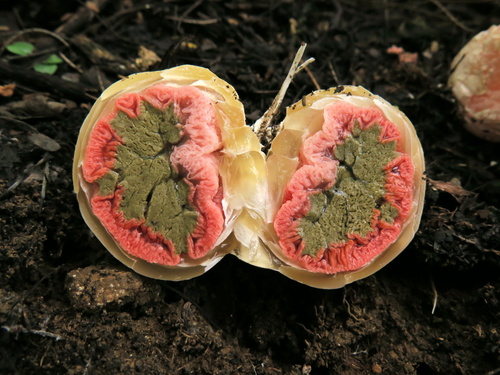
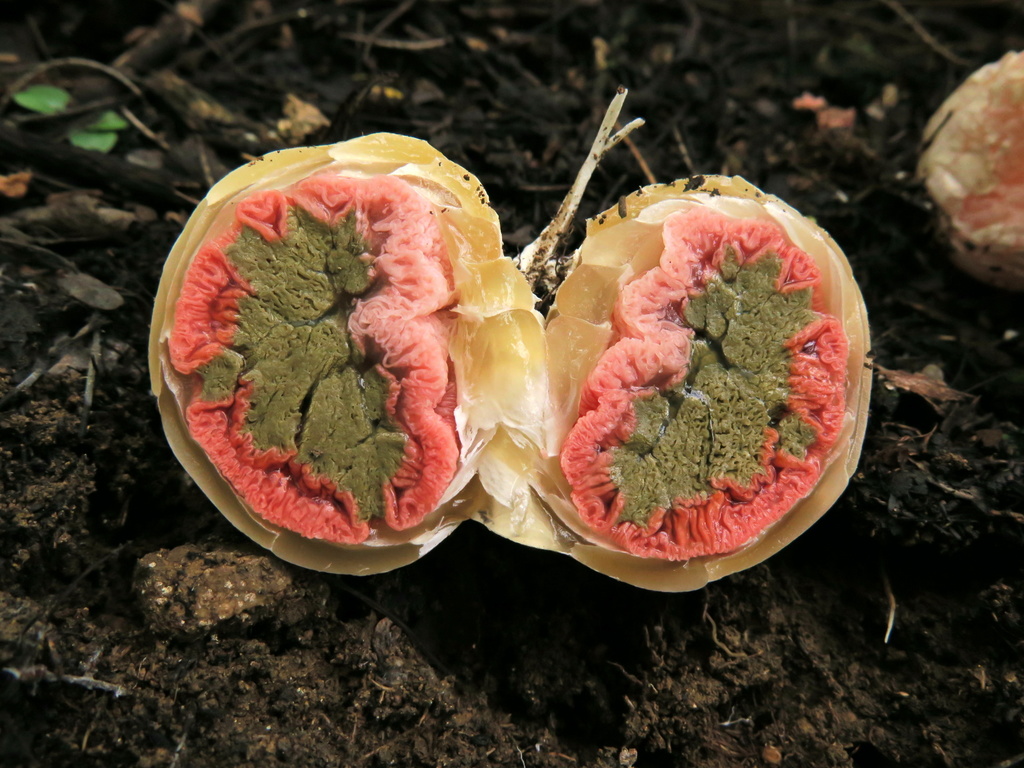 1 / 7
1 / 7—observations
—countries
—peak records
Not EvaluatedConservation statusIUCN Red List categoriesLCNTVUENCREWEXNot Evaluated — not placed on the risk ladderRed List categories, explained →
Diet & prey
- Saprotrophic (decomposing dead plant matter and woody mulch)
Predators
- Blow Flies
- Flesh Flies
- Slugs
ThreatsFungicide use, land clearing, and soil disturbance
HabitatsLawns, gardens, woodchip mulch beds, and subtropical woodland margins
Life span1–3 days (fruiting body)
Size / weightNot available
Classification
- FamilyPhallaceae
- SpeciesClathrus crispus
Range data is not available yet.
Interaction riskLow
- Low
- Moderate
- High
- Very high
- Why interaction risk is low
- Many edible mushrooms have toxic look-alikes; never eat wild fungi based on app identification alone.
Responsible observation
- Scent Detection: Follow pungent, rotting odors in mulched garden beds to locate hidden specimens.
- Egg Stage Search: Look near mature fruiting bodies for firm, gelatinous white spheres buried in soil or mulch.
- Photographic Timing: Photograph fresh specimens in early morning, as fruiting bodies collapse within twenty-four hours.
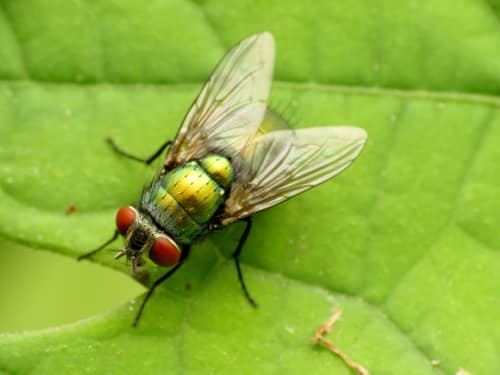
Symbiont (c) Katja Schulz, some rights reserved (CC BY), uploaded by Katja Schulz · cc-by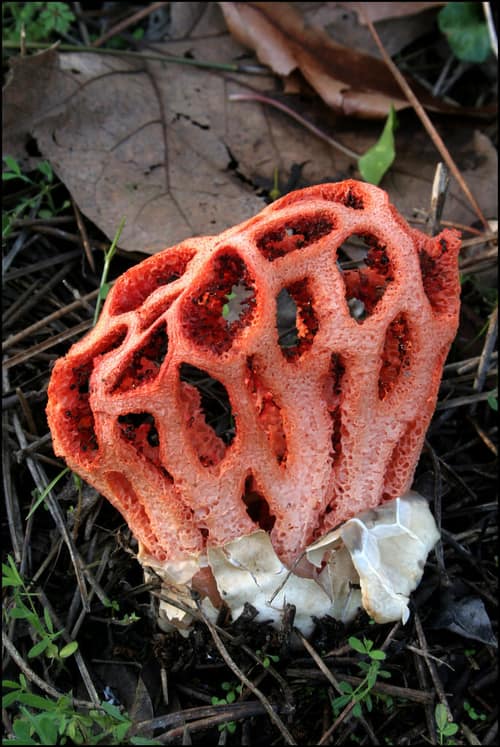
Close Relative (c) Dave Gough, some rights reserved (CC BY) · cc-by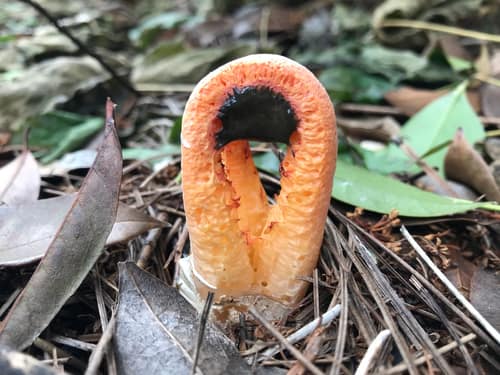
Close Relative (c) Amber M. King, some rights reserved (CC BY), uploaded by Amber M. King · cc-by
Same Family Jörg Hempel / CC BY-SA 3.0 de · cc-by-sa
Help improve the field guideSomething wrong?
Checking your Fauna account…Report a name, category, or profile issue for review.