
Mammal
Plains Coyote
Canis latrans latransAlso known as Prairie Wolf, American Jackal, Brush Wolf
Plains coyotes roam the vast grasslands and prairies of North America, using sharp senses and high intelligence to thrive in rapidly changing landscapes. Known for their versatile vocal repertoire, these adaptable canids communicate across miles with yips, barks, and long-range howls at twilight. They maintain tight-knit family units, hunting small rodents individually or coordinating in small packs to bring down larger prey.
AdaptableVocalCrepuscular
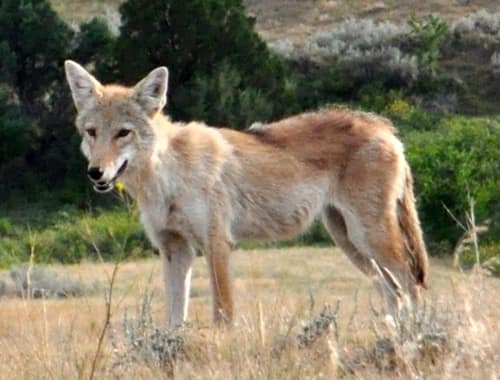
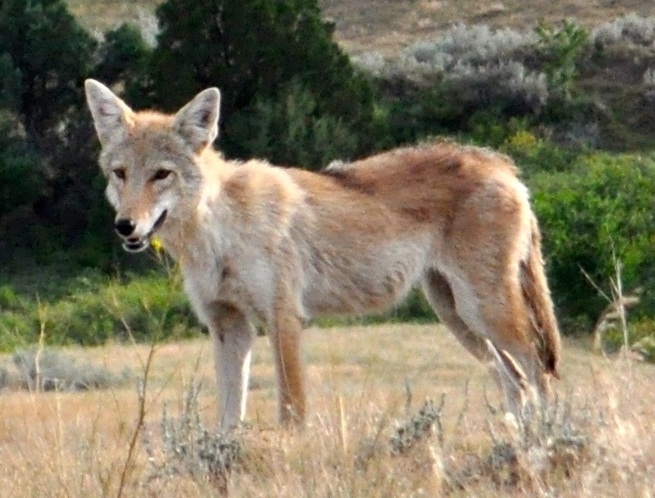
—observations
—countries
—peak records
Least ConcernConservation statusIUCN Red List categoriesLCNTVUENCREWEXLeast ConcernRed List categories, explained →
Diet & preyCottontail Rabbit, Prairie Dog, White-Footed Mouse
Predators
- Gray Wolf
- Cougar
- Human
ThreatsPersecution by humans, vehicle collisions, and habitat fragmentation
HabitatsGrasslands, prairies, open woodlands, agricultural fields, and urban fringes
Life span10–14 years in the wild
Classification
- FamilyCanidae
- SpeciesCanis latrans latrans
Range data is not available yet.
Interaction riskModerate
- Low
- Moderate
- High
- Very high
- Why interaction risk is moderate
- Can bite if cornered or habituated to humans; maintain a safe distance and keep pets leashed.
- Why it is dangerous
- Capable of delivering severe bites when cornered or habituated, and can carry diseases like rabies.
- How to recognize a risky encounter
- Look for a medium-sized canid with tawny-grey fur, a bushy black-tipped tail, and large erect ears.
- What to do
- Keep at least 25 meters away, leash domestic pets, and make loud noises to deter bold individuals.
Responsible observation
- Maintain Distance: Never approach coyotes or offer them food, which causes harmful habituation.
- Protect Pets: Keep cats indoors and small dogs on a short leash, especially near dawn and dusk.
- Haze When Needed: Stand tall, wave arms, and make loud noises if a coyote approaches human spaces.
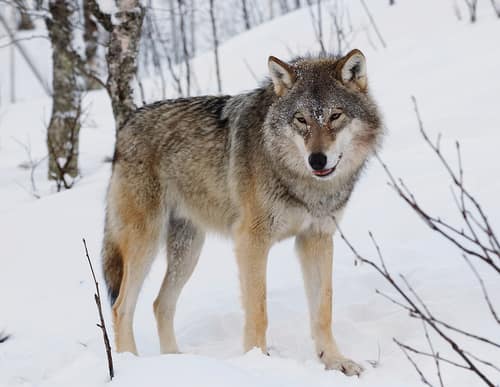
Competitor User:Mas3cf / CC BY-SA 4.0 · cc-by-sa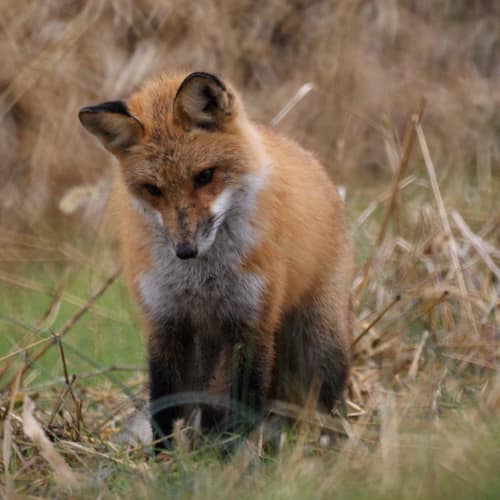
Competitor "Red Fox" by Mike's Birds is licensed under CC BY-SA 2.0. To view a copy of this license, visit https://creativecommons.org/licenses/by-sa/2.0/. · cc-by-sa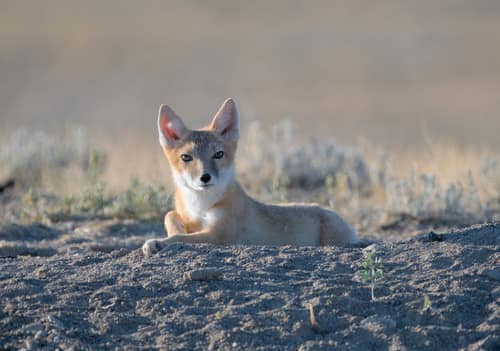
Prairie Neighbor (c) Spencer Hurt, some rights reserved (CC BY) · cc-by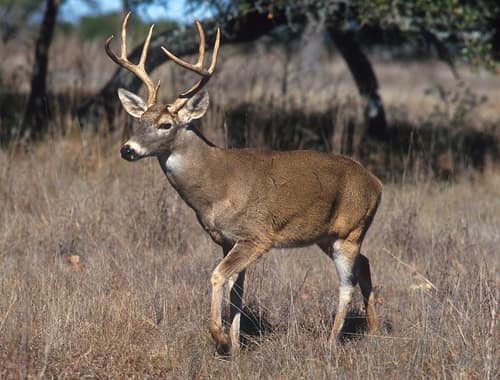
Prey Source USDA photo by Scott Bauer / Public domain · cc0
Help improve the field guideSomething wrong?
Checking your Fauna account…Report a name, category, or profile issue for review.