
Amphibian
Western Toad
Anaxyrus boreas boreasAlso known as Boreal Toad, Northern Toad
Western Toads are large, stocky amphibians recognized by a prominent white or cream stripe running down the middle of their back and large oval parotoid glands behind their eyes. Active mostly at night or during cool twilight, adults travel long distances over land before returning to shallow, sunlit ponds each spring to spawn long, gelatinous strings of black eggs. They serve as valuable insect predators across western North American ecosystems, consuming vast quantities of agricultural and garden pests.
AmphibianNocturnalNative


—observations
—countries
—peak records
Least ConcernConservation statusIUCN Red List categoriesLCNTVUENCREWEXLeast ConcernRed List categories, explained →
Diet & preyBeetles, Ants, Slugs
Predators
- Garter snakes
- Crows
- Coyotes
ThreatsChytrid fungus infection, habitat destruction, road mortality, and drought
HabitatsWetlands, alpine meadows, coniferous forests, and riparian zones
Life span9 to 12 years
Classification
- FamilyBufonidae
- SpeciesAnaxyrus boreas boreas
Range data is not available yet.
Interaction riskHigh
- Low
- Moderate
- High
- Very high
- Why interaction risk is high
- Secretes mild parotoid toxins that irritate mouth tissues and sicken pets; handle with wet hands or avoid touching.
- Why it is dangerous
- Parotoid glands behind the eyes produce bufotoxins that cause heavy drooling, vomiting, and cardiac distress if chewed or ingested by pets.
- How to recognize a risky encounter
- Recognized by dry, warty skin, an oval gland behind each eye, and a pale stripe down the center of the back.
- What to do
- Keep dogs on a leash near damp habitats and avoid touching toads without wet, unmedicated hands.
- What to notice
- Identified by a distinct pale dorsal stripe and dark spots on the belly surrounded by a pale background.
- Support conservation
- Avoid handling wild individuals to prevent spreading fungal spores between distinct wetland breeding locations.
Responsible observation
- Observe quietly: Approach breeding pools slowly to avoid startling adults resting along the water edge.
- Protect delicate skin: Never apply sunscreen or bug spray before touching amphibians, as chemicals absorb quickly.
- Keep dogs leashed: Prevent pets from mouthing toads to avoid exposure to irritating skin secretions.
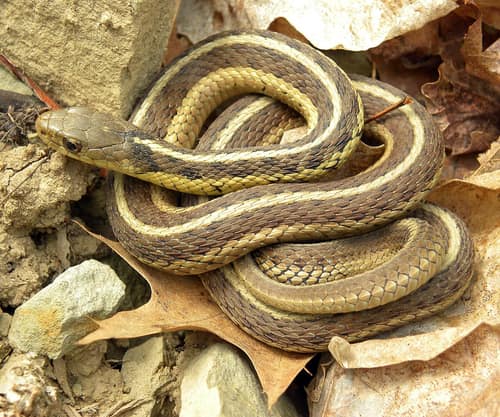
Predator Wilson44691 / Public domain · cc0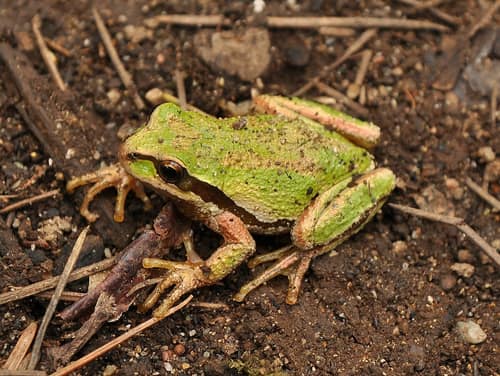
Frequent Companion The High Fin Sperm Whale / CC BY-SA 3.0 · cc-by-sa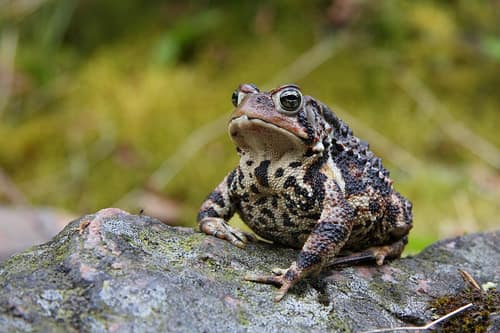
Close Relative Cephas / CC BY-SA 3.0 · cc-by-sa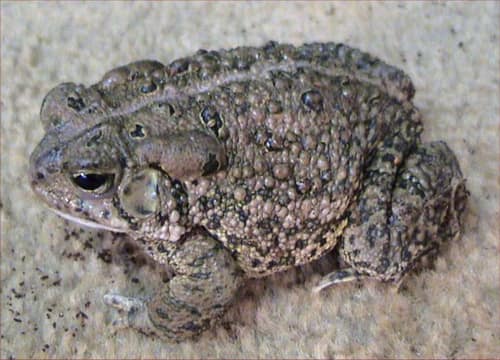
Close Relative Wikimedia Commons / CC BY-SA 2.5 · cc-by-sa
Help improve the field guideSomething wrong?
Checking your Fauna account…Report a name, category, or profile issue for review.