
Reptile
Eastern Box Turtle
Terrapene carolina carolinaAlso known as Common Box Turtle, Land Turtle
Eastern box turtles spend their long lives roaming small, familiar home ranges within damp eastern forests and meadows. A specialized hinge on the lower shell allows them to pull completely inside and seal closed when threatened by predators. Their omnivorous diet includes wild strawberries, earthworms, and fungi, helping disperse seeds and control soil invertebrates.
TerrestrialReptileLong-Lived


—observations
—countries
—peak records
VulnerableConservation statusIUCN Red List categoriesLCNTVUENCREWEXVulnerableRed List categories, explained →
Diet & preyEarthworms, Slugs, Wild Berries
Predators
- Raccoons
- Skunks
- Domestic Dogs
ThreatsHabitat fragmentation, road mortality, pet trade collection
HabitatsDeciduous forests, open woodlands, damp meadows, field edges
Life span50–100+ years
Classification
- FamilyEmydidae
- SpeciesTerrapene carolina carolina
Range data is not available yet.
Interaction riskModerate
- Low
- Moderate
- High
- Very high
- Why interaction risk is moderate
- May bite if handled and can carry Salmonella; observe from a respectful distance without touching.
- Why it is dangerous
- Shed Salmonella bacteria in droppings and can inflict a painful pinch with their sharp beak.
- How to recognize a risky encounter
- Recognized by a high-domed shell with yellow patterning and bright red or yellow-brown eyes.
- What to do
- Observe quietly from a safe distance without touching or lifting the turtle.
- What to notice
- Distinctive hinged plastron and bright yellow or orange markings on a dark brown carapace.
- Support conservation
- Never harvest wild turtles or move them away from their established home territory.
Responsible observation
- Road Crossings: Move turtles safely across roads in the exact direction they were already traveling.
- Home Range Respect: Leave wild turtles in place, as moving them outside their range causes fatal confusion.
- Hands Off: Avoid handling to prevent unnecessary stress and reduce disease transmission risks.
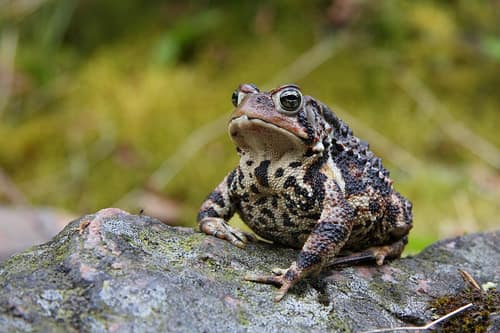
Frequent Companion Cephas / CC BY-SA 3.0 · cc-by-sa
Prey no rights reserved, uploaded by mefisher · cc0
Close Relative (c) hr_dragonfly, some rights reserved (CC BY) / CC BY 4.0 · cc-by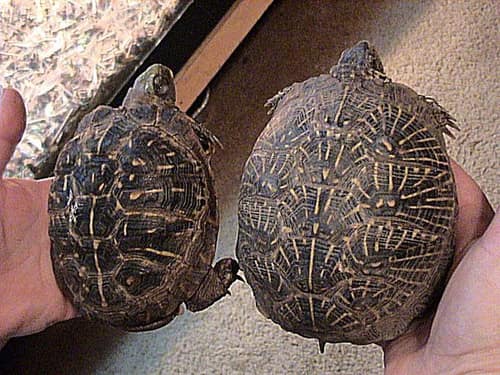
Close Relative The original uploader was Dawson at English Wikipedia. / CC BY-SA 2.5 · cc-by-sa
Help improve the field guideSomething wrong?
Checking your Fauna account…Report a name, category, or profile issue for review.