
Reptile
Algerian Skink
Eumeces algeriensisAlso known as Berber's Skink, Algerian Orange-Tailed Skink, Bulan
Algerian skinks are robust, thick-bodied lizards that spend much of their day hunting among sunny rocky outcrops, coastal dunes, and open scrublands across North Africa. Their glossy scales showcase striking orange, silver, and dark brown bands that blend seamlessly into sun-baked soil. When threatened, they rapidly burrow into soft sand or retreat beneath heavy stone walls to escape predators.
DiurnalTerrestrialReptile
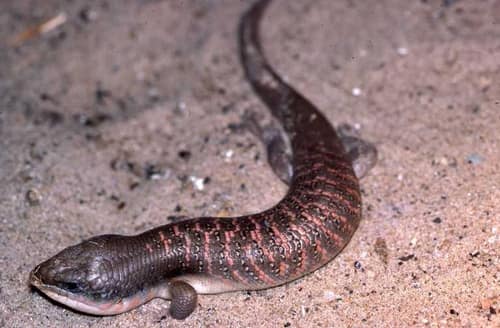
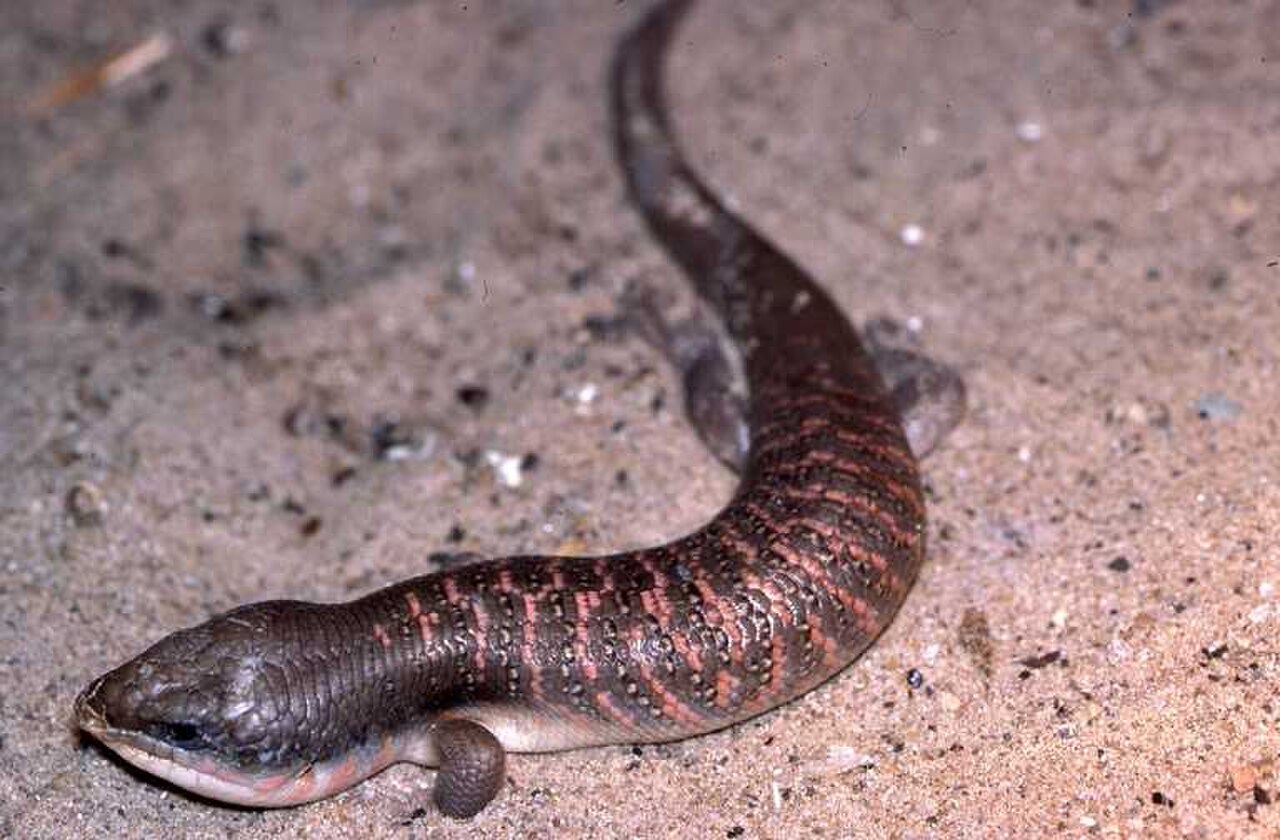
—observations
—countries
—peak records
Least ConcernConservation statusIUCN Red List categoriesLCNTVUENCREWEXLeast ConcernRed List categories, explained →
Diet & preyBeetles, Grasshoppers, Snails
Predators
- Raptors
- Snakes
- Feral Cats
ThreatsHabitat disruption from coastal tourism development and agricultural intensification.
HabitatsArid scrublands, coastal sand dunes, rocky hillsides, and traditional agricultural areas.
Life span10–15 years
Classification
- FamilyScincidae
- SpeciesEumeces algeriensis
Range data is not available yet.
Interaction riskLow
- Low
- Moderate
- High
- Very high
- Why interaction risk is low
- Capable of delivering a strong bite if cornered or handled; observe without handling.
- Why it is dangerous
- Possesses strong jaw muscles capable of delivering a painful bite that can pinch skin or break tissue.
- How to recognize a risky encounter
- Look for a heavy-bodied lizard with glossy, smooth scales and bright orange or yellowish orange flank markings.
- What to do
- Observe from a few feet away and allow the lizard a clear path to retreat.
Responsible observation
- Basking Spots: Search sunny rock piles and stone walls during warm morning hours.
- Maintain Distance: Avoid cornering wild skinks, as they will bite or shed their tails defensively.
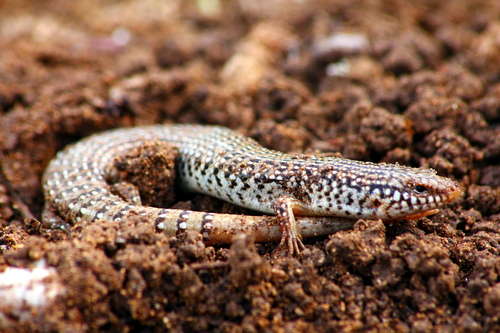
Co-Occurring Skink (c) Lennart Hudel, some rights reserved (CC BY), uploaded by Lennart Hudel · cc-by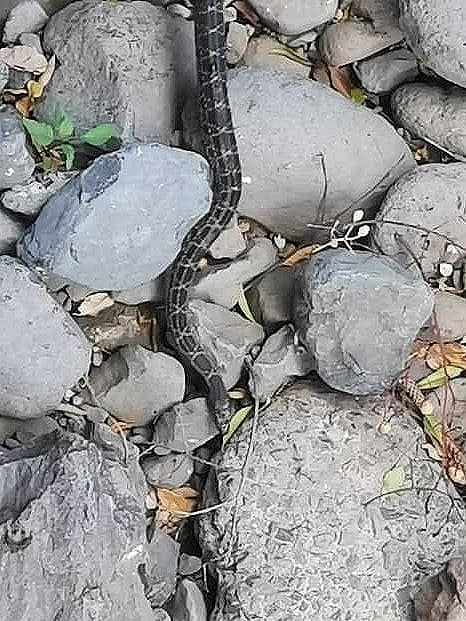
Predator (c) Vítor Jorge, some rights reserved (CC BY) · cc-by Image unavailable
Close Relative
Help improve the field guideSomething wrong?
Checking your Fauna account…Report a name, category, or profile issue for review.