
Plant
Flask-shaped Pitcher Plant
Nepenthes ampullariaAlso known as Ampullaria Pitcher Plant, Tubby Pitcher Plant
Dense clusters of squat, rounded pitchers carpet the damp peat of Southeast Asian lowland forests, functioning largely as detritivores rather than pure carnivores. Unlike most related pitcher plants, its small lid reflexed backward away from the pitcher mouth allows falling organic debris and leaves from the forest canopy to drop straight into digestive fluid below. The rich soup of decomposing matter sustains an intricate mini-ecosystem of inquiline organisms, including specialized mosquito larvae and tiny frogs that complete their life cycles inside the trap fluid.
CarnivorousDetritivoreRainforest
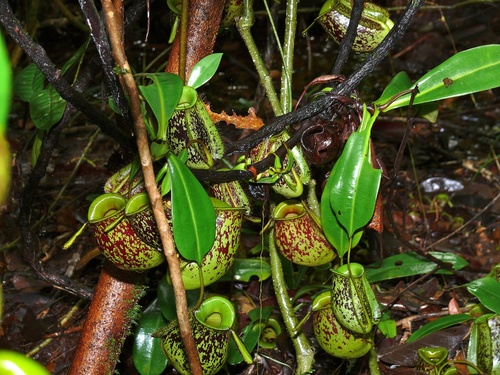
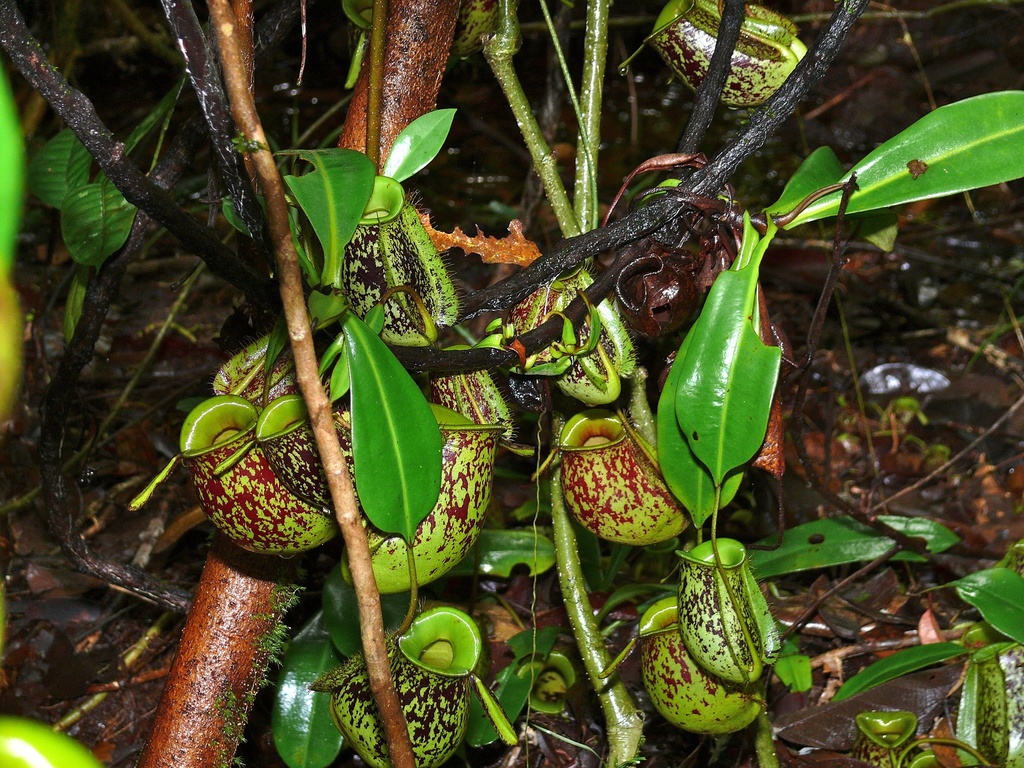
—observations
—countries
—peak records
Least ConcernConservation statusIUCN Red List categoriesLCNTVUENCREWEXLeast ConcernRed List categories, explained →
Diet & preyFallen leaf litter, Ants, Termites
Predators
- Herbivorous caterpillars
- Stem-boring weevils
ThreatsHabitat destruction from peatland drainage, deforestation, and illegal wild collection
HabitatsLowland peat swamp forests, kerangas heath forests, and damp rainforest understories
Life spanDecades
Classification
- FamilyNepenthaceae
- SpeciesNepenthes ampullaria
Range data is not available yet.
Interaction riskLow
- Low
- Moderate
- High
- Very high
- Why interaction risk is low
- Safe to observe at a normal distance.
Responsible observation
- Observe from trails: Stay on boardwalks or packed paths to avoid trampling sensitive peat-moss mats and basal rosettes.
- Look inside: Peer gently into the open pitchers with a flashlight to spot symbiotic aquatic insect larvae.
 Image unavailable
Same Genus Symbiont 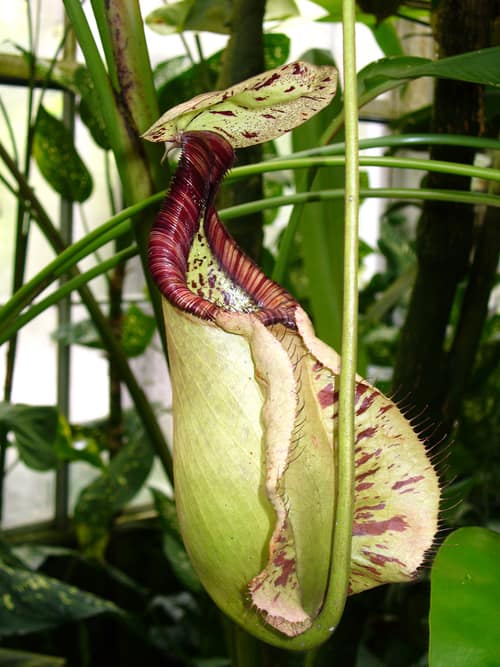
Close Relative (c) Scott Zona, some rights reserved (CC BY) · cc-by
Help improve the field guideSomething wrong?
Checking your Fauna account…Report a name, category, or profile issue for review.