
Plant
Beach Suncup
Camissoniopsis cheiranthifoliaAlso known as Beach Evening Primrose
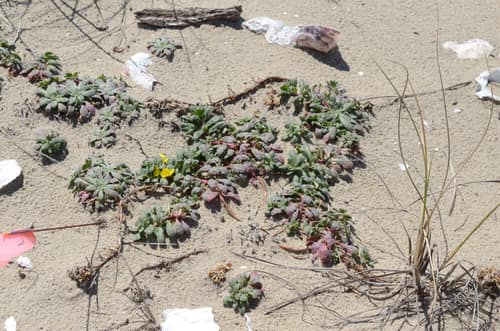
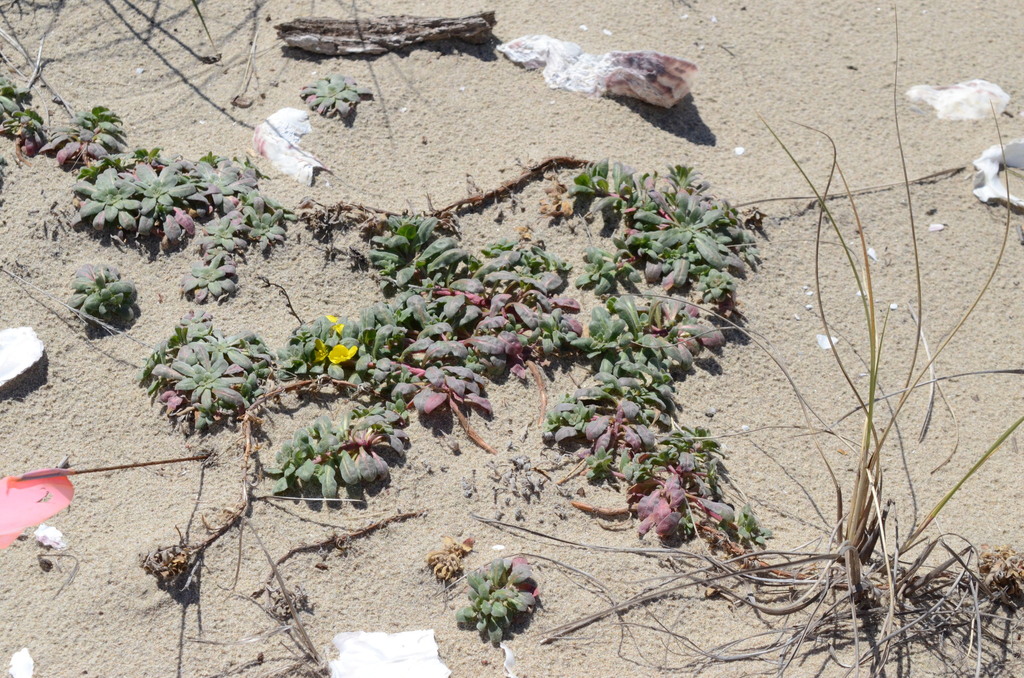
Beach suncups form low, sprawling mats across Pacific coastal dunes, anchoring loose sands with deep taproots. Silvery, downy foliage reflects intense sunlight and traps ocean mist, protecting the plant from drying onshore winds. Bright yellow blossoms open early in the day, gradually turning deep reddish-orange after pollination.
Dune SpecialistYellow BloomsCoastal Native
—observations
—countries
—peak records
Least ConcernConservation statusIUCN Red List categoriesLCNTVUENCREWEXLeast ConcernRed List categories, explained →
Diet & preyAutotrophic
Predators
- Herbivorous Insects
- Small Mammals
- Snails
ThreatsHabitat loss, invasive iceplant, foot traffic
HabitatsCoastal dunes, sandy beach strands, coastal bluffs
Life span1–5 years
Classification
- FamilyOnagraceae
- SpeciesCamissoniopsis cheiranthifolia
Range data is not available yet.
Interaction riskLow
- Low
- Moderate
- High
- Very high
- Why interaction risk is low
- Safe to observe at a normal distance.
- What to notice
- Look for low, grey-green hairy mats bearing bright yellow four-petaled flowers directly on open beach sand.
- Support conservation
- Stay on established dune walkways and avoid stepping on sprawling stems or disturbing sand slopes.
Responsible observation
- Observe from Boardwalks: Stay on designated paths to avoid crushing the fragile dune mats.
- Look for Flowers: Bright yellow blossoms open in the morning and age to red or orange.
- Check the Leaves: Dense silvery hairs coat the foliage to trap moisture and reflect sunlight.
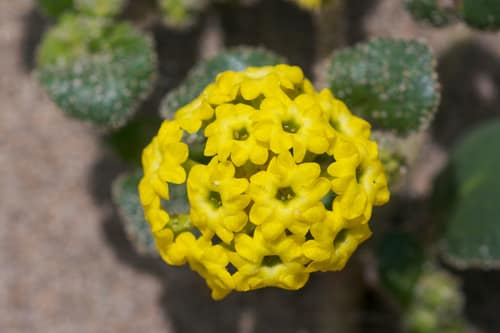
Frequent Companion (c) Eric in SF, some rights reserved (CC BY-SA) · cc-by-sa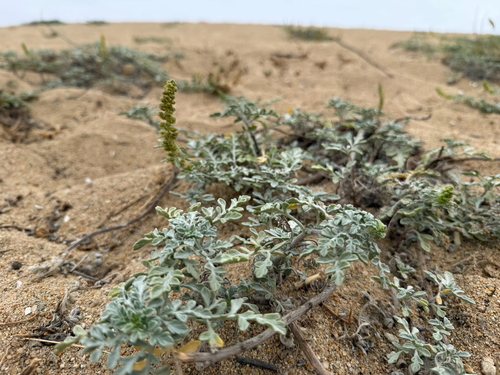
Frequent Companion (c) Cody Hinchliff, some rights reserved (CC BY), uploaded by Cody Hinchliff · cc-by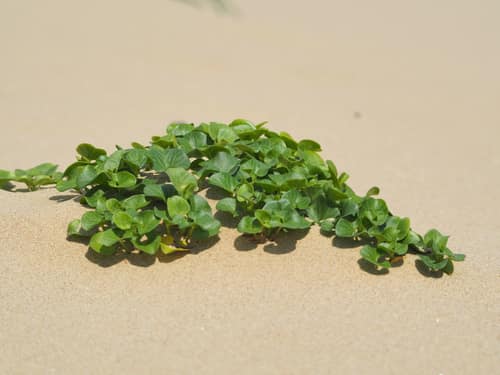
Frequent Companion no rights reserved, uploaded by 葉子 · cc0 Image unavailable
Close Relative
Help improve the field guideSomething wrong?
Checking your Fauna account…Report a name, category, or profile issue for review.