
Plant · GBIF taxon 7156971
False Shamrock
Oxalis triangularisAlso known as Purple Shamrock, Love Plant
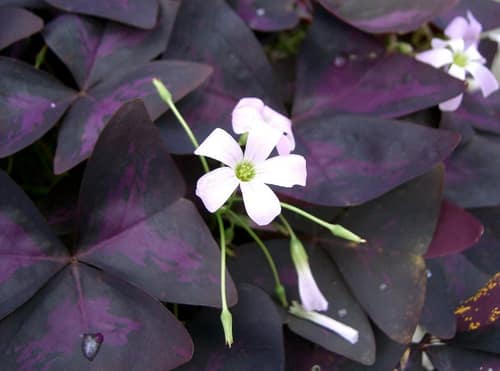
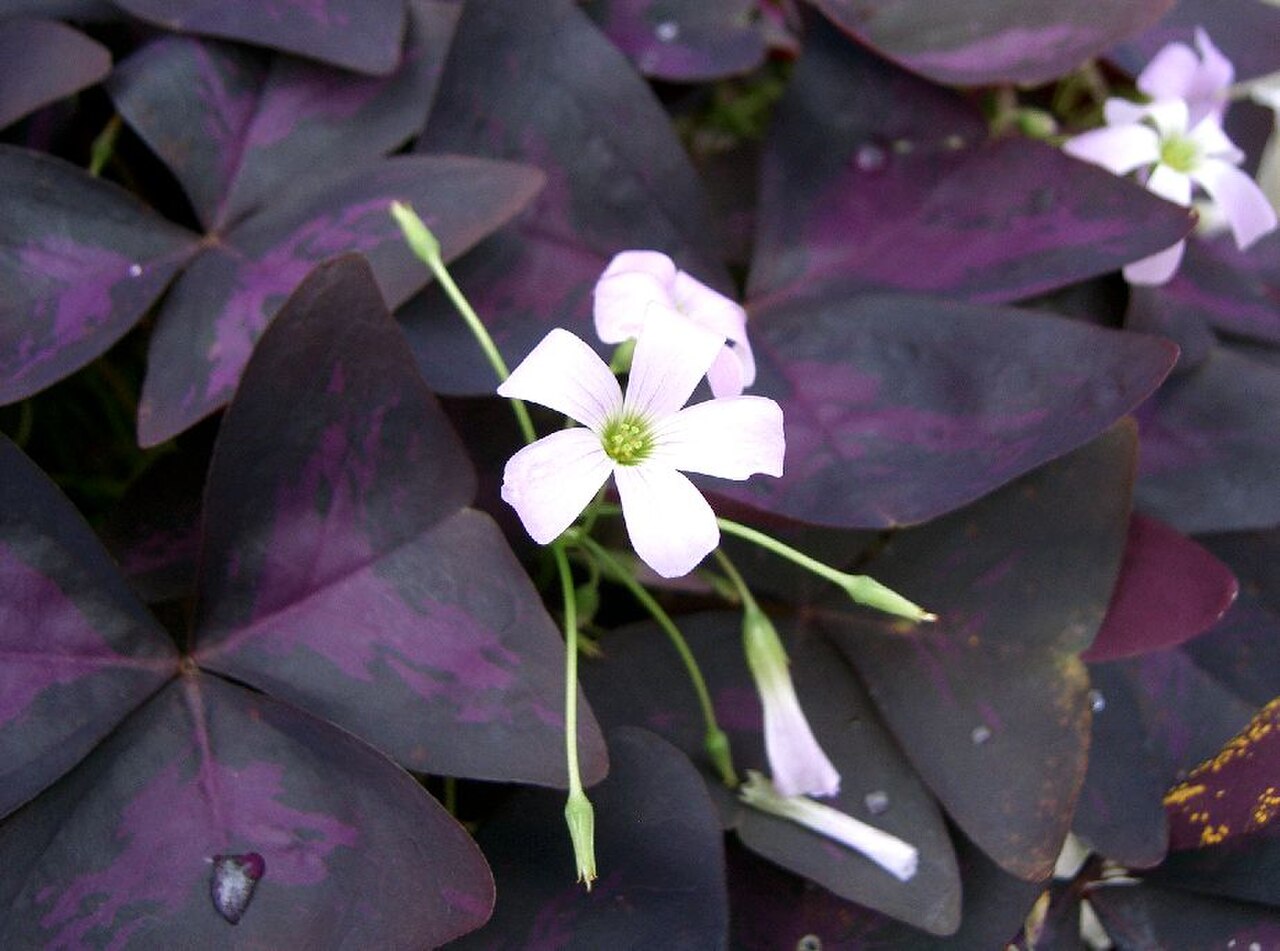
False shamrock is a perennial geophyte celebrated for its phototrophic and nyctinastic movements, folding its distinct three-lobed leaves downward like closed umbrellas each evening before reopening to morning sunlight. Delicate pale pink to white five-petaled blossoms rise on slender scapes well above the foliage, blooming steadily throughout the warmer months. Anchored by clustered, fleshy rhizomes that store reserves underground, plants readily shed foliage to survive seasonal drought and recover with vigorous flushes of new growth.
PerennialHouseplantFlowering
—observations
—countries
—peak records
Not EvaluatedConservation statusIUCN Red List categoriesLCNTVUENCREWEXNot Evaluated — not placed on the risk ladderRed List categories, explained →
Diet & prey
- Autotrophic (photosynthetic)
Predators
- Garden slugs
- Snails
- Spider mites
ThreatsHabitat clearance, land conversion, and localized soil degradation
HabitatsSubtropical forest understories, rocky slopes, and riparian margins
Life spanPerennial (indefinite via persistent rhizomes)
Classification
- OrderOxalidales
- FamilyOxalidaceae
- GenusOxalis
- SpeciesOxalis triangularis
Range data is not available yet.
Interaction riskHigh
- Low
- Moderate
- High
- Very high
- Why interaction risk is high
- Contains soluble calcium oxalates; toxic to dogs and cats if ingested.
- Why it is dangerous
- Plant tissues contain soluble calcium oxalates, which can trigger hypersalivation, vomiting, and kidney injury if ingested by pets.
- How to recognize a risky encounter
- Look for three sharply triangular leaflets arranged symmetrically atop slender stems, folding closed in darkness.
- What to do
- Place cultivated pots out of reach of household pets and wash hands after dividing or pruning rhizomes.
Responsible observation
- Light Exposure: Provide bright, filtered sunlight to maintain vigorous growth and encourage abundant flowering.
- Dormancy Care: Reduce watering if foliage naturally dies back in winter, allowing the subterranean rhizomes to rest.
Same Genus (c) Dunverig, some rights reserved (CC BY), uploaded by Dunverig · cc-by
Same Genus (c) Bill Keim, some rights reserved (CC BY) · cc-by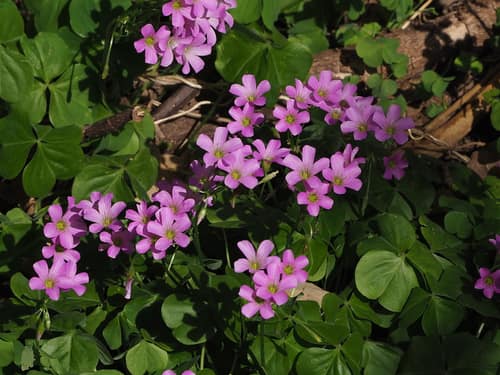
Same Genus no rights reserved, uploaded by 葉子 · cc0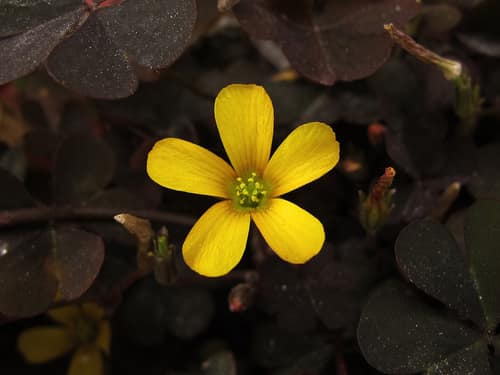
Same Genus (c) jacinta lluch valero, some rights reserved (CC BY-SA) · cc-by-sa
Help improve the field guideSomething wrong?
Checking your Fauna account…Report a name, category, or profile issue for review.