
Plant
Sea Hibiscus
Talipariti tiliaceumAlso known as Coast Cottonwood, Beach Hibiscus, Hau, Mahoe
Sea hibiscus dominates tropical coastlines and mangrove edges, forming tangled thickets that shield shorelines from erosion. Bright yellow cup-shaped blossoms open each morning with a deep crimson throat, maturing to dark orange or red by evening before dropping to the ground. Broad heart-shaped leaves and tough, fibrous bark make this resilient tree a classic feature of coastal ecosystems across the tropics.
FloweringCoastalEvergreen
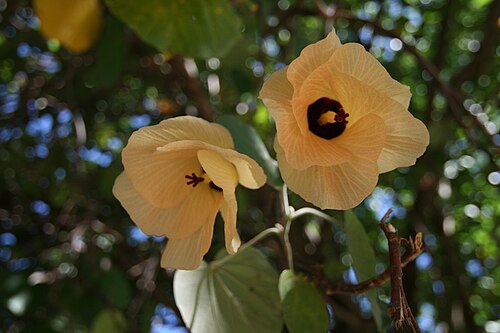
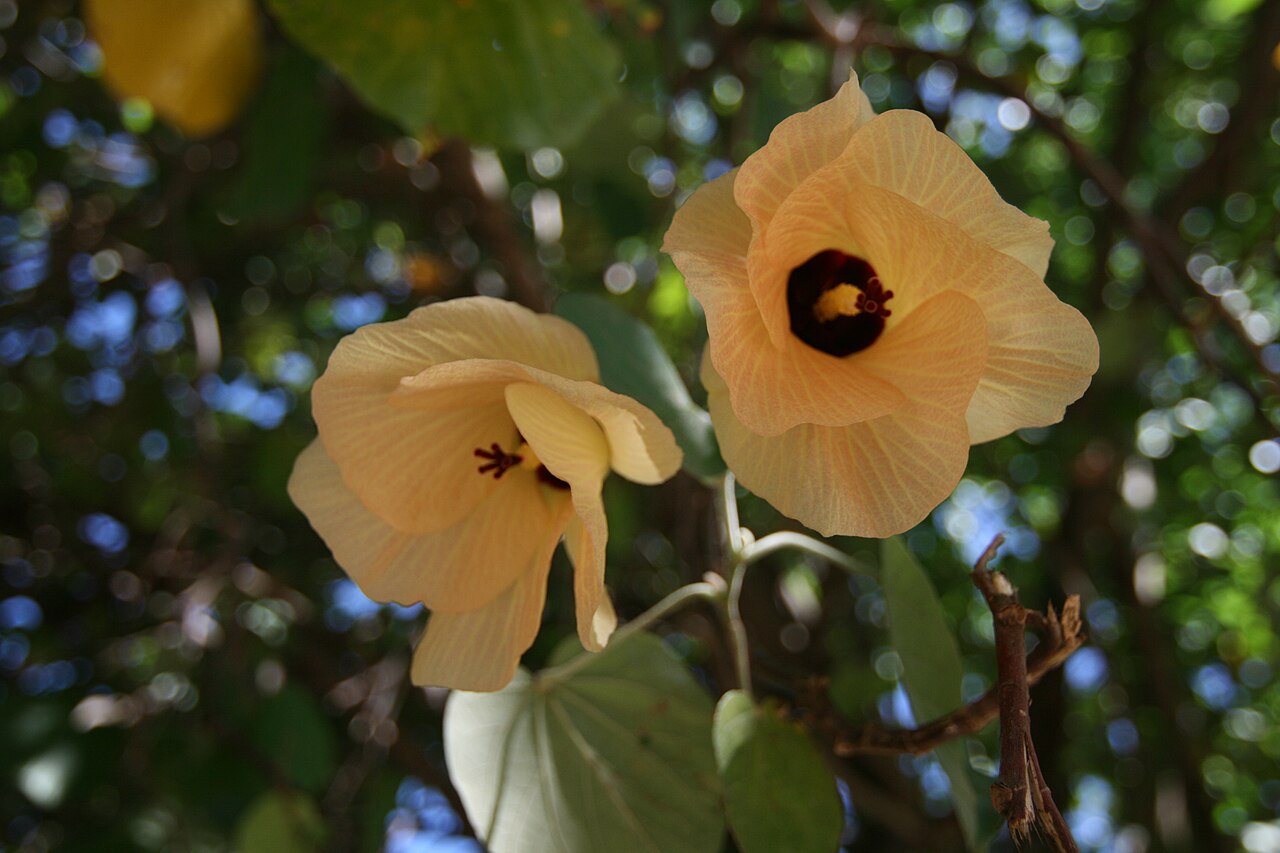
—observations
—countries
—peak records
Least ConcernConservation statusIUCN Red List categoriesLCNTVUENCREWEXLeast ConcernRed List categories, explained →
Diet & preyPhotosynthetic
Predators
- Caterpillars
- Scale insects
- Wood-boring beetles
ThreatsCoastal development, shoreline alteration
HabitatsCoastal strands, mangrove margins, estuaries, sandy beaches
Life span50–100+ years
Classification
- OrderMalvales
- FamilyMalvaceae
- GenusTalipariti
- SpeciesTalipariti tiliaceum
Range data is not available yet.
Interaction riskLow
- Low
- Moderate
- High
- Very high
- Why interaction risk is low
- Safe to observe at a normal distance.
Responsible observation
- Observation: Watch the blossoms transition in color from pale yellow in the morning to deep crimson by dusk.
- Habitat etiquette: Avoid breaking low-hanging branches when walking through dense shoreline thickets.
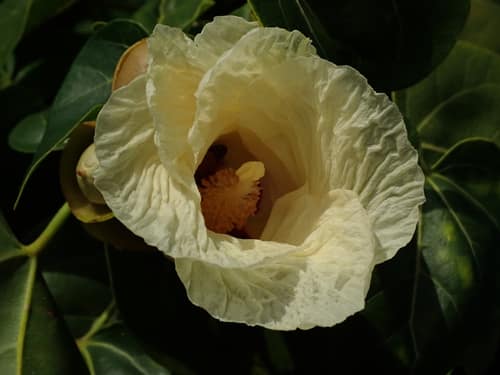
Coastal Look-alike (c) Daniel Cahen, some rights reserved (CC BY), uploaded by Daniel Cahen · cc-by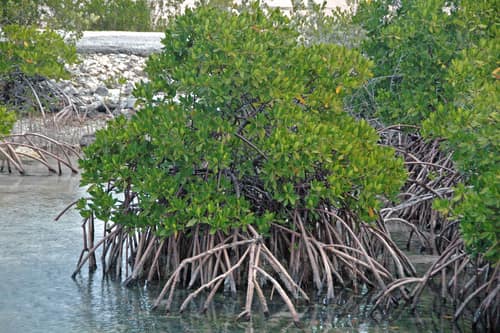
Frequent Companion (c) James St. John, some rights reserved (CC BY) · cc-by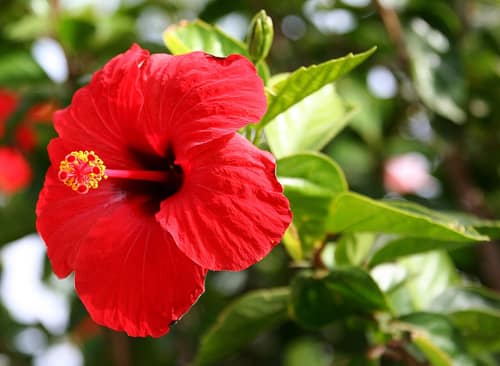
Close Relative Andy / Andrew Fogg from near Cambridge, UK / CC BY 2.0 · cc-by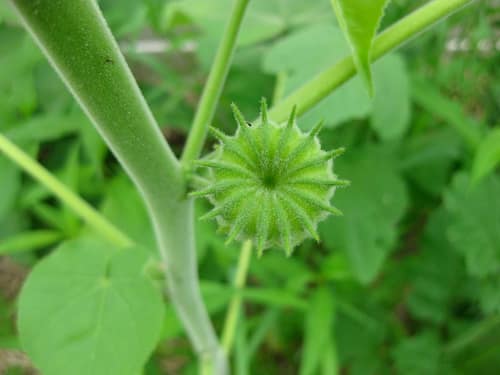
Close Relative (c) anneheathen, some rights reserved (CC BY) · cc-by
Help improve the field guideSomething wrong?
Checking your Fauna account…Report a name, category, or profile issue for review.