
Plant
Japanese Spindle Tree
Euonymus japonicusAlso known as Japanese Spindle, Japanese Euonymus, Evergreen Euonymus
Japanese spindle tree thrives as a salt-tolerant evergreen shrub or small tree along rocky seashores, maritime thickets, and coastal forests in its native East Asian range. Dense clusters of tiny, pale greenish flowers bloom in early summer, eventually yielding spherical pinkish fruit capsules that split open in autumn to reveal bright orange, fleshy arils. Widely planted for privacy hedges and ornamental landscaping around the globe, it readily withstands heavy pruning, coastal gale winds, and urban pollution.
EvergreenShrubCoastal


—observations
—countries
—peak records
Least ConcernConservation statusIUCN Red List categoriesLCNTVUENCREWEXLeast ConcernRed List categories, explained →
Diet & preyAutotrophic (photosynthesis)
Predators
- Euonymus Scale
- Euonymus Leaf Notcher
- Black Vine Weevil
ThreatsScale insect infestations, powdery mildew, crown gall
HabitatsCoastal scrub, maritime forests, disturbed woodlands, urban gardens
Life span30–50 years
Classification
- OrderCelastrales
- FamilyCelastraceae
- GenusEuonymus
- SpeciesEuonymus japonicus
Range data is not available yet.
Interaction riskHigh
- Low
- Moderate
- High
- Very high
- Why interaction risk is high
- All parts contain toxic glycosides, and wild berries have toxic look-alikes; never ingest.
- Why it is dangerous
- Contains sesquiterpene alkaloids and cardiac glycosides that cause severe vomiting, diarrhea, weakness, and convulsions if swallowed.
- How to recognize a risky encounter
- Look for glossy, leathery oval leaves with fine blunt serrations and four-valved pink capsules splitting to show orange seeds.
- What to do
- Observe foliage and seed capsules from a safe distance, and ensure pruned branches remain out of reach of livestock, pets, and small children.
Responsible observation
- Foliage Inspection: Look for small white scale insects on the undersides of leaves and stems during early summer.
- Landscape Care: Wear garden gloves when pruning branches to prevent skin exposure to plant sap.
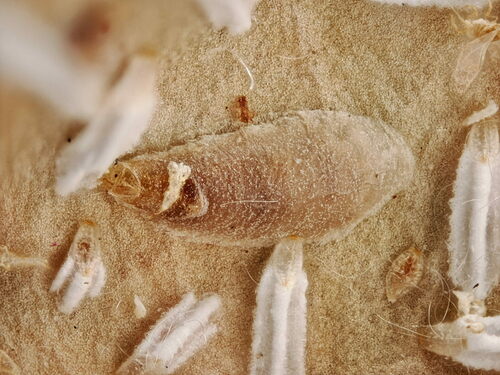
Parasite (c) Gilles San Martin, some rights reserved (CC BY-SA), uploaded by Gilles San Martin · cc-by-sa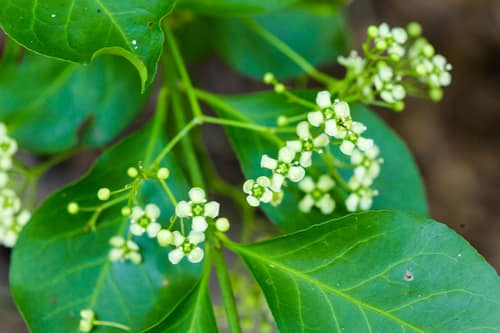
Close Relative (c) Melissa McMasters, some rights reserved (CC BY) · cc-by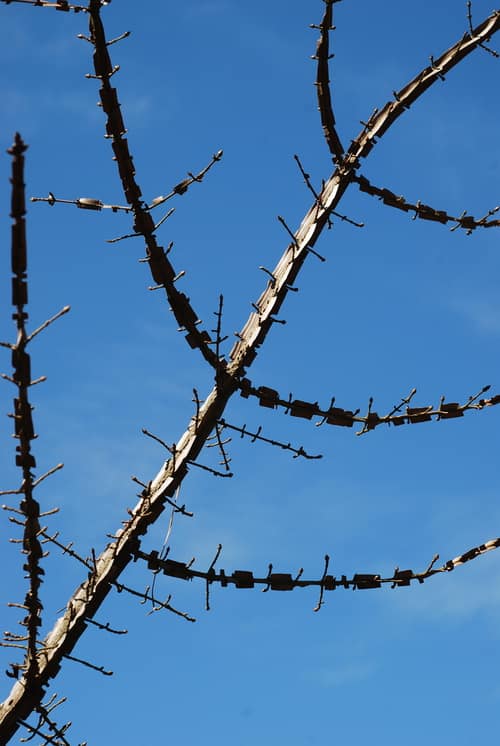
Close Relative (c) Douglas Goldman, some rights reserved (CC BY-SA), uploaded by Douglas Goldman · cc-by-sa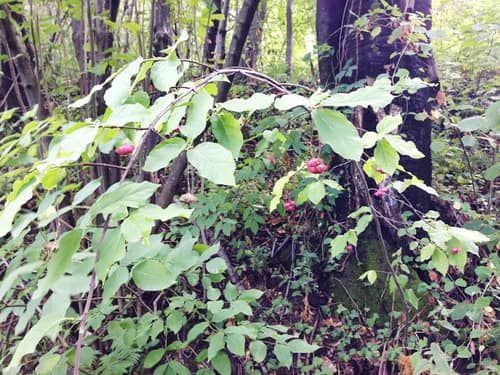
Close Relative (c) Vedran Lastovčić, some rights reserved (CC BY), uploaded by Vedran Lastovčić · cc-by
Help improve the field guideSomething wrong?
Checking your Fauna account…Report a name, category, or profile issue for review.