
Mammal · GBIF taxon 7059276
Bengal Tiger
Panthera tigris tigrisAlso known as Indian Tiger, Royal Bengal Tiger
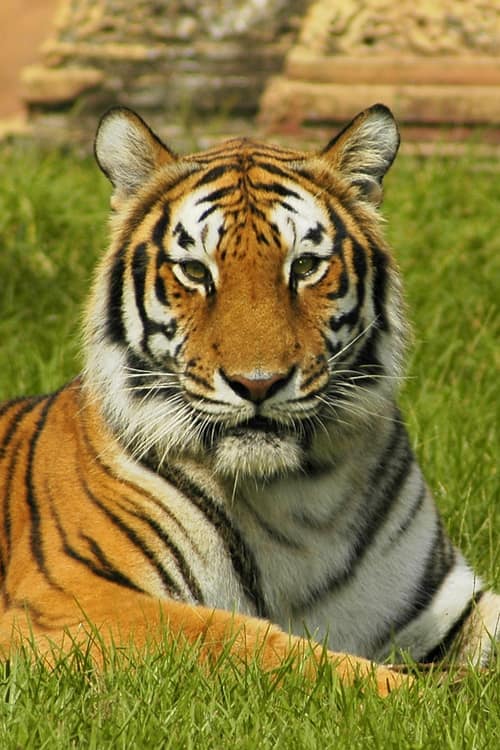
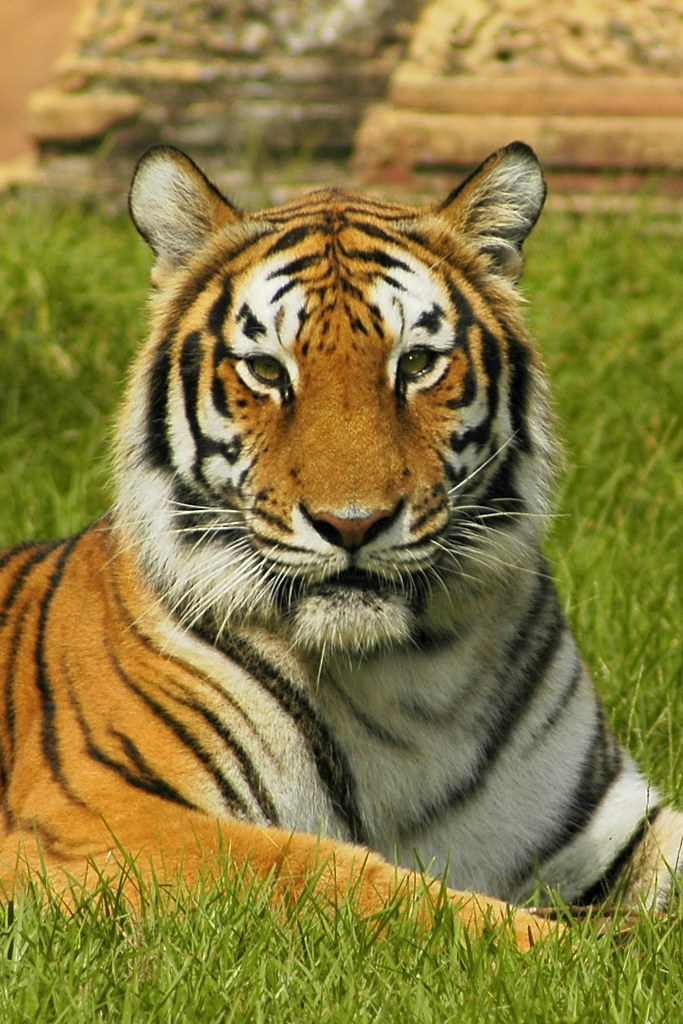
Bengal tigers stalk through dense mangrove swamps, tropical forests, and grasslands across South Asia as stealthy apex predators. Solitary by nature, individuals maintain expansive territories marked by scratchings on tree bark and urine spraying. Females raise litters of two to four cubs, teaching them to hunt large ungulates before they disperse after two years.
Apex PredatorSolitaryStriped
—observations
—countries
—peak records
EndangeredConservation statusIUCN Red List categoriesLCNTVUENCREWEXEndangeredRed List categories, explained →
Diet & prey
- Sambar Deer
- Chital
- Wild Boar
Predators
- Humans
ThreatsPoaching for traditional medicine, habitat fragmentation, retaliatory conflict
HabitatsTropical rainforests, mangroves, tall grasslands, dry deciduous forests
Life span10–15 years in the wild
Size / weightNot available
Classification
- FamilyFelidae
- SpeciesPanthera tigris tigris
Range data is not available yet.
Interaction riskHigh
- Low
- Moderate
- High
- Very high
- Why interaction risk is high
- A powerful apex predator capable of lethal attacks; keep a safe distance inside safari vehicles.
- Why it is dangerous
- Powerful jaw muscles and massive retractile claws allow this predator to crush bone and kill large prey quickly.
- How to recognize a risky encounter
- Look for reddish-orange coat with dark vertical stripes, broad head, and white spots behind black ears.
- What to do
- Never approach on foot, remain inside closed vehicles, and back away slowly without running if caught exposed.
- What to notice
- Recognizable by large size, orange-black striping, and heavy paw prints along dusty forest tracks.
- Support conservation
- Observe exclusively from designated park tracks with certified drivers to minimize stress on territory owners.
Responsible observation
- Safari Safety: Remain quiet inside official safari vehicles and keep all limbs within the vehicle frame at all times.
- Respect Boundaries: Avoid entering protected forest zones on foot without licensed guides or forestry officials.
- Night Precautions: Refrain from walking near tiger reserve borders after dusk when individuals actively patrol.
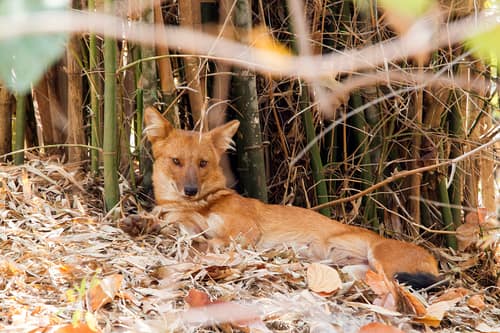
Competitor (c) Ramesh Shenai Jr., some rights reserved (CC BY), uploaded by Ramesh Shenai Jr. · cc-by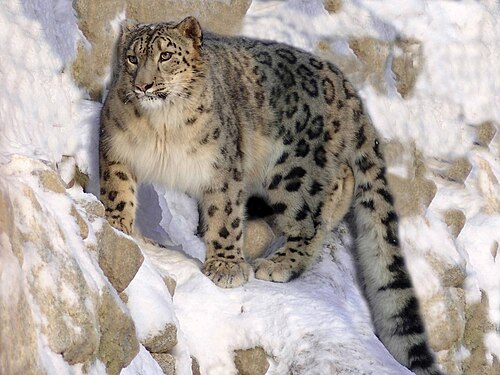
Close Relative Irbis1983 / Public domain · cc0
Help improve the field guideSomething wrong?
Checking your Fauna account…Report a name, category, or profile issue for review.