
Arachnid
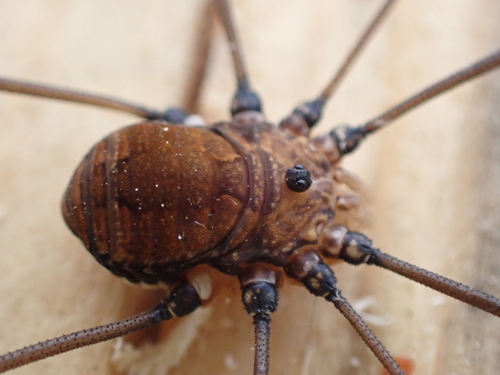
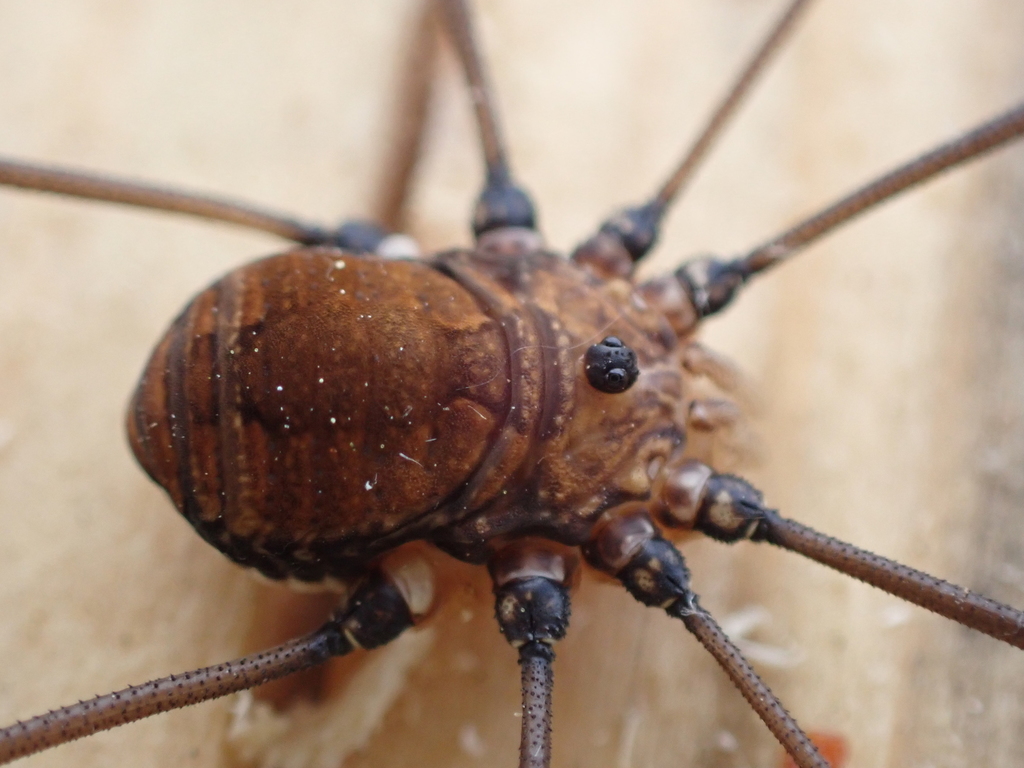
Leiobunum ventricosum
Leiobunum ventricosumAlso known as Ventricose Harvestman
These long-legged arachnids inhabit moist deciduous forests across eastern North America, where they forage across tree trunks, forest floor litter, and understory foliage. Unlike true spiders, their fused body segments lack both venom glands and silk-spinning organs, relying instead on chemical secretions from scent glands to deter predators. They frequently overwinter as subadult nymphs under peeling bark or rotting logs, maturing into active adults by late spring and early summer.
NocturnalForest FloorArachnid
—observations
—countries
—peak records
Not EvaluatedConservation statusIUCN Red List categoriesLCNTVUENCREWEXNot Evaluated — not placed on the risk ladderRed List categories, explained →
Diet & preyAphids, Springtails, Fungal spores
Predators
- Woodland birds
- Toads
- Wolf spiders
ThreatsHabitat fragmentation, widespread pesticide use, and severe forest drying.
HabitatsDeciduous and mixed woodlands, forest leaf litter, tree trunks, and shaded riparian corridors.
Life spanAround 1 year
Classification
- FamilySclerosomatidae
- SpeciesLeiobunum ventricosum
Range data is not available yet.
Interaction riskLow
- Low
- Moderate
- High
- Very high
- Why interaction risk is low
- Completely harmless to humans and pets; safe to observe closely.
Responsible observation
- Night Spotting: Scan tree trunks and low wooden structures with a flashlight after dusk when individuals are most active.
- Gentle Observation: Avoid grabbing their legs, as they readily shed limbs in defense and cannot regenerate them as adults.
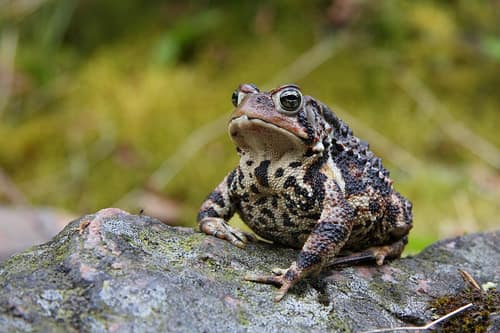
Predator Cephas / CC BY-SA 3.0 · cc-by-sa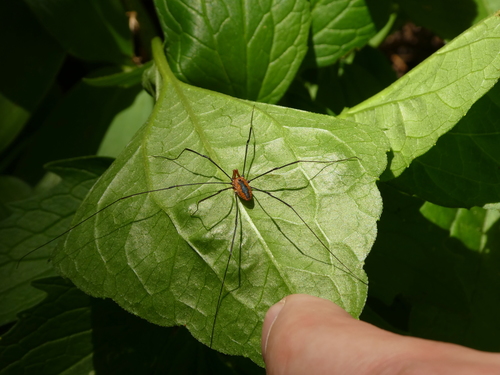
Close Relative (c) Eric Johnson, some rights reserved (CC BY) · cc-by Image unavailable
Close Relative
Help improve the field guideSomething wrong?
Checking your Fauna account…Report a name, category, or profile issue for review.