
Arachnid · GBIF taxon 6892807
Giant Desert Hairy Scorpion
Hadrurus arizonensisAlso known as Giant Hairy Scorpion, Arizona Desert Hairy Scorpion
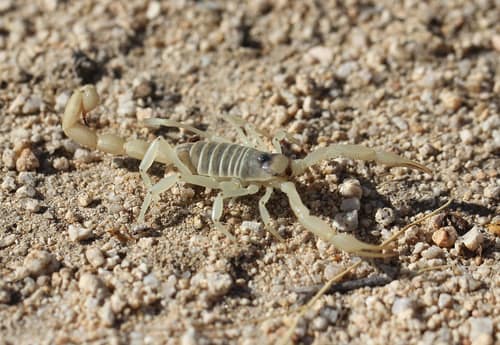
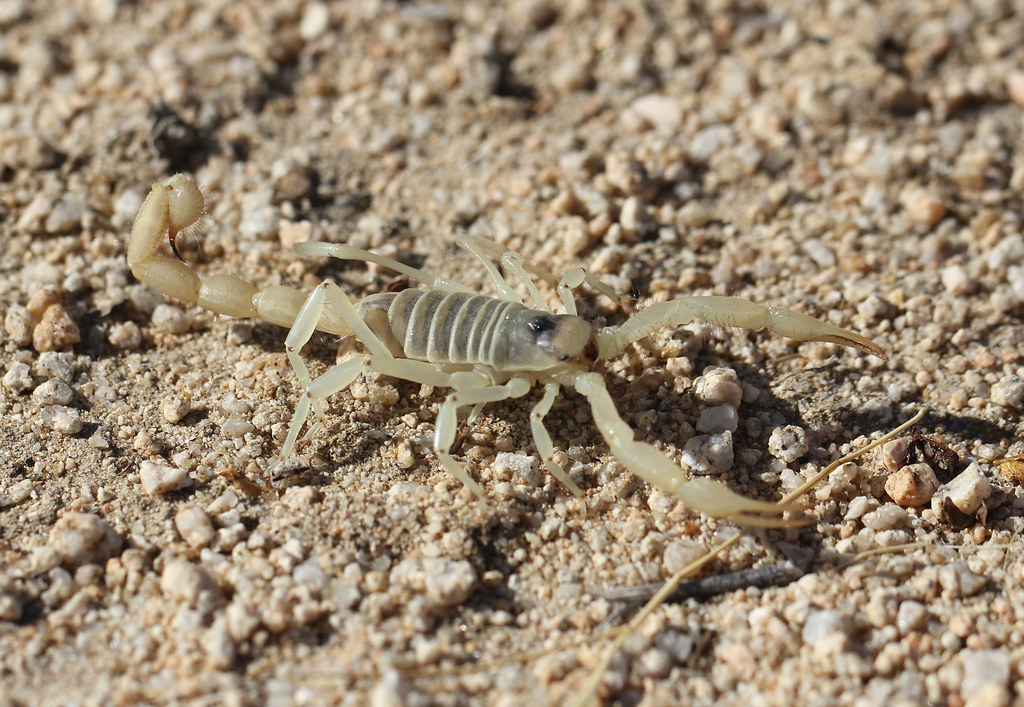
Giant desert hairy scorpions are North America's largest arachnids of their order, tunneling deep underground to escape oppressive desert heat. Covered in sensitive brown hairs that detect air currents and ground vibrations, they hunt aggressively under the cover of dark. On warm nights, these formidable predators stalk nocturnal insects and small lizards using their powerful pincers and venomous stingers.
NocturnalArachnidDesert Dweller
—observations
—countries
—peak records
Not EvaluatedConservation statusIUCN Red List categoriesLCNTVUENCREWEXNot Evaluated — not placed on the risk ladderRed List categories, explained →
Diet & prey
- Insects
- Lizards
- Other Scorpions
Predators
- Owls
- Pallid Bats
- Roadrunners
ThreatsHabitat destruction, commercial pet collection
HabitatsArid deserts, gravelly washes, rocky slopes
Life span15–20 years
Size / weightNot available
Classification
- FamilyHadruridae
- SpeciesHadrurus arizonensis
Range data is not available yet.
Interaction riskVery high
- Low
- Moderate
- High
- Very high
- Why interaction risk is very high
- Delivers a painful sting and pinch defensively; observe carefully from a safe distance and do not handle.
- Why it is dangerous
- Delivers a painful sting containing neurotoxic venom that produces localized swelling, redness, and intense pain similar to a hornet sting.
- How to recognize a risky encounter
- Recognizable by its large size exceeding 10 centimeters, yellowish body with a dark back, and brown bristles on its tail and claws.
- What to do
- Avoid reaching into burrows or overturning desert rocks with bare hands, and maintain distance during night observations.
Responsible observation
- UV Detection: Shine an ultraviolet flashlight on desert soil at night to easily spot their glowing yellow-green exoskeletons.
- Give Distance: Keep hands clear of rock crevices, fallen logs, and subterranean burrows where individuals shelter during daytime.
- Observation Etiquette: Enjoy watching these night hunters with a soft light rather than poking or cornering them.
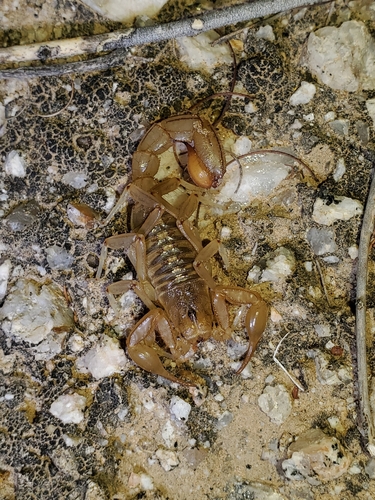
Regional Co-inhabitant (c) Bob Miller, some rights reserved (CC BY) · cc-by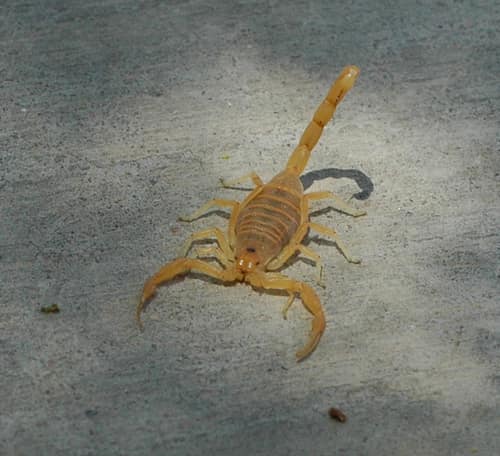
Venomous Neighbor Musides (talk) / CC BY-SA 3.0 · cc-by-sa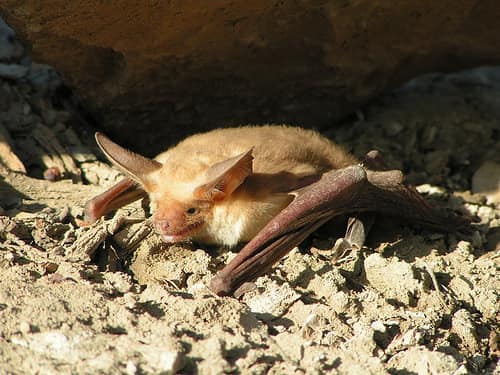
Predator (c) Keaton Wilson, some rights reserved (CC BY) · cc-by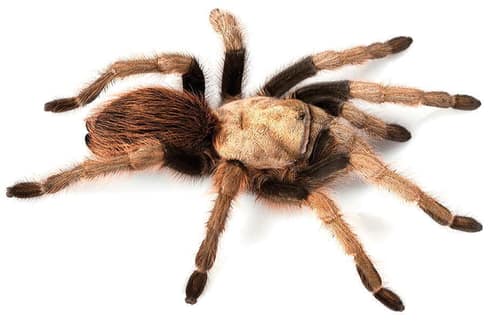
Burrowing Competitor (c) Chris A. Hamilton, Brent E. Hendrixson, Jason E. Bond, some rights reserved (CC BY) · cc-by
Help improve the field guideSomething wrong?
Checking your Fauna account…Report a name, category, or profile issue for review.