
Arachnid · GBIF taxon 6718395
Brazilian Giant Blonde Tarantula
Nhandu tripepiiAlso known as Brazilian Giant Blonde, Blonde Birdeater
Brazilian giant blonde tarantulas spend their time in subterranean burrows throughout central and northeastern Brazil, waiting to ambush passing invertebrates and small vertebrates. Covered in thick, golden-tan hairs, these impressive terrestrial arachnids rely on sensitive leg setae to detect micro-vibrations in total darkness. When threatened, they readily kick irritating urticating bristles from their abdomen before attempting a defensive posture.
TerrestrialBurrowingNocturnal
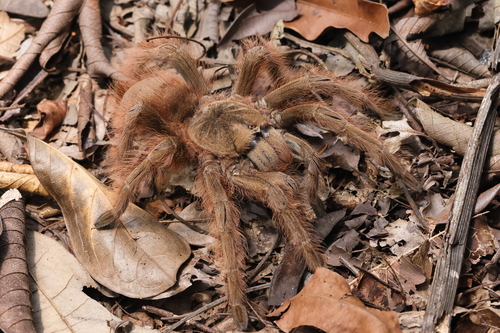
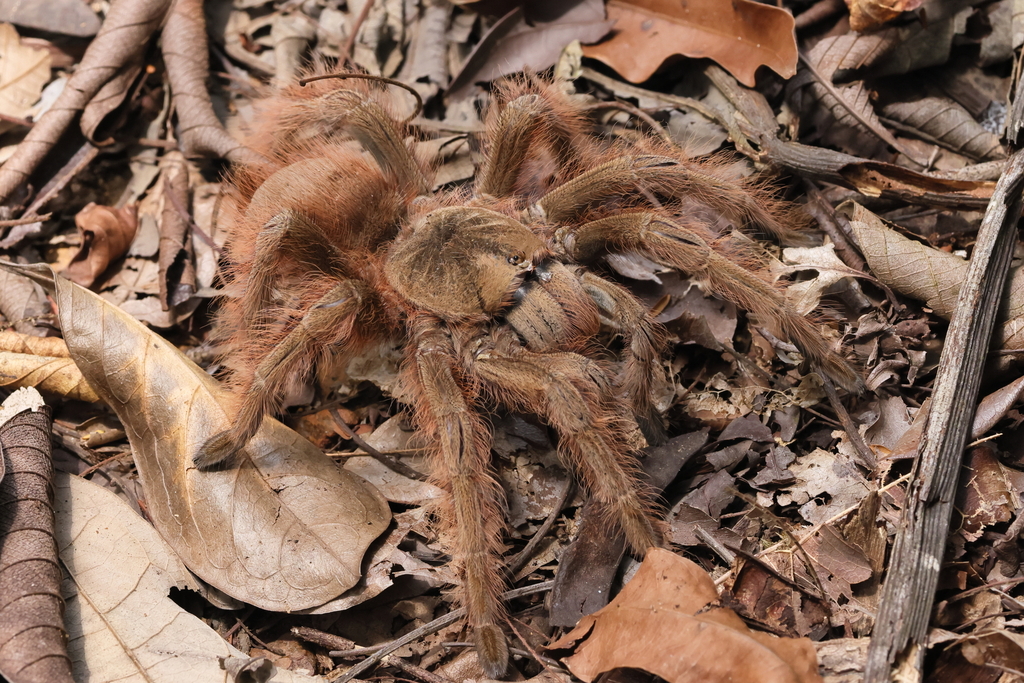 1 / 2
1 / 2—observations
—countries
—peak records
Not EvaluatedConservation statusIUCN Red List categoriesLCNTVUENCREWEXNot Evaluated — not placed on the risk ladderRed List categories, explained →
Diet & prey
- Large insects
- Small lizards
- Rodents
Predators
- Tarantula hawk wasps
- Coatis
- Large frogs
ThreatsHabitat loss and overcollection for exotic pet trade
HabitatsTropical dry forests, scrublands, and savannahs
Life span10–20 years for females; 3–5 years for males
Classification
- OrderAraneae
- FamilyTheraphosidae
- GenusNhandu
- SpeciesNhandu tripepii
Range data is not available yet.
Interaction riskVery high
- Low
- Moderate
- High
- Very high
- Why interaction risk is very high
- Flicks irritating abdominal hairs and delivers a painful bite; keep a safe distance and avoid handling.
- Why it is dangerous
- Flicks specialized abdominal urticating hairs that cause severe skin itching and eye irritation, along with a painful venomous bite.
- How to recognize a risky encounter
- Distinguished by an expansive leg span and a dense coat of light tan to golden hair covering the body.
- What to do
- Observe from a respectful distance and avoid direct contact or cornering a spider in a defensive pose.
Responsible observation
- Burrow Locating: Search for silk-lined burrows or crevices near root structures during twilight hours.
- Lighting Caution: Use red or dim illumination to view nocturnal movements without causing distress.
- Handling Safety: Never touch or blow on the spider, as agitation triggers itchy hair-flicking.
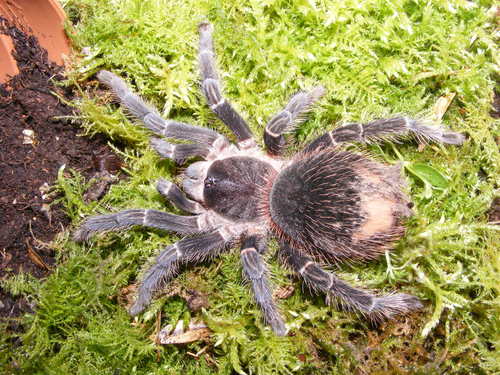
Co-occurring Giant (c) Richard Adams, some rights reserved (CC BY) · cc-by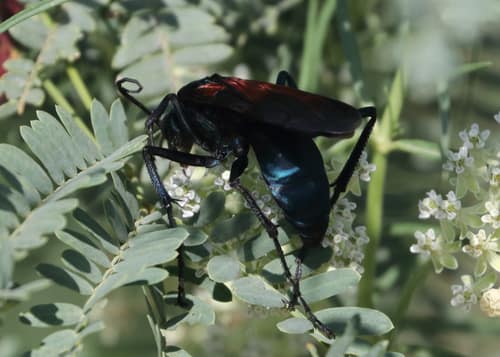
Predator (c) Seth Wollney, some rights reserved (CC BY) · cc-by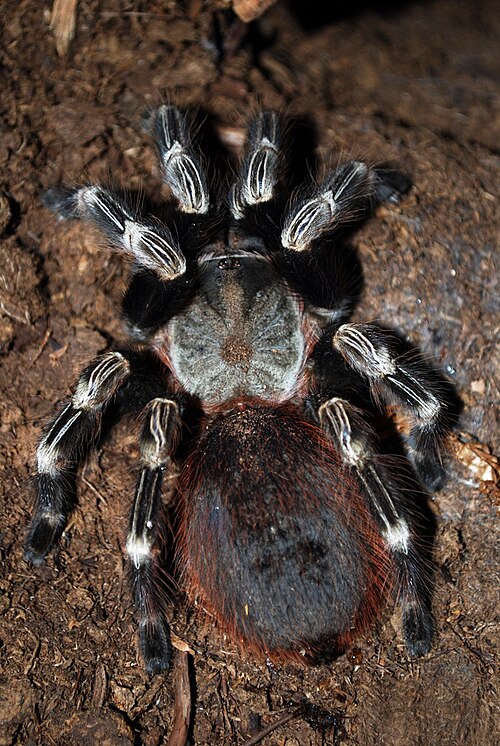
Close Relative Flamesbane / CC BY 3.0 · cc-by
Keep collecting in Fauna
Found in Collections
Ecosystem chain Pro
Desert Sands
Brazilian Giant Blonde Tarantula is found in this collection. Identify it in Fauna to fill this slot and continue your progress.
Unlock to track progress
Help improve the field guideSomething wrong?
Checking your Fauna account…Report a name, category, or profile issue for review.