
Plant · GBIF taxon 6711700
Lilium Hybr
lilium hybridAlso known as Hybrid Lily, Garden Lily, Asiatic Lily, Oriental Lily
Hybrid lilies showcase spectacular, star- or trumpet-shaped blossoms in nearly every color of the rainbow, often adorned with contrasting spots or brushstrokes. These upright perennials grow from scaly underground bulbs, producing dense whorls of lance-shaped leaves along their sturdy stems. Their intense, sweet fragrance fills the air during mid-to-late summer, drawing in various long-tongued pollinators like sphinx moths and swallowtail butterflies.
FloweringFragrantOrnamental
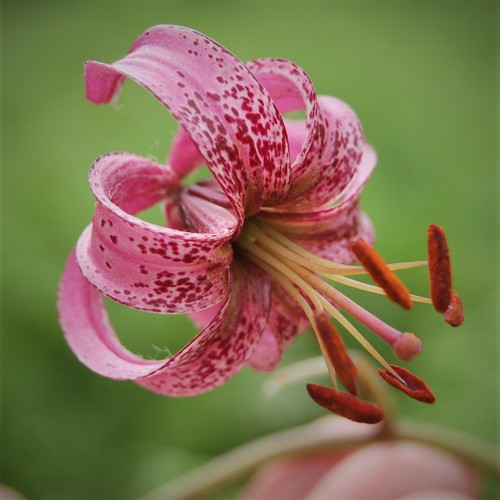
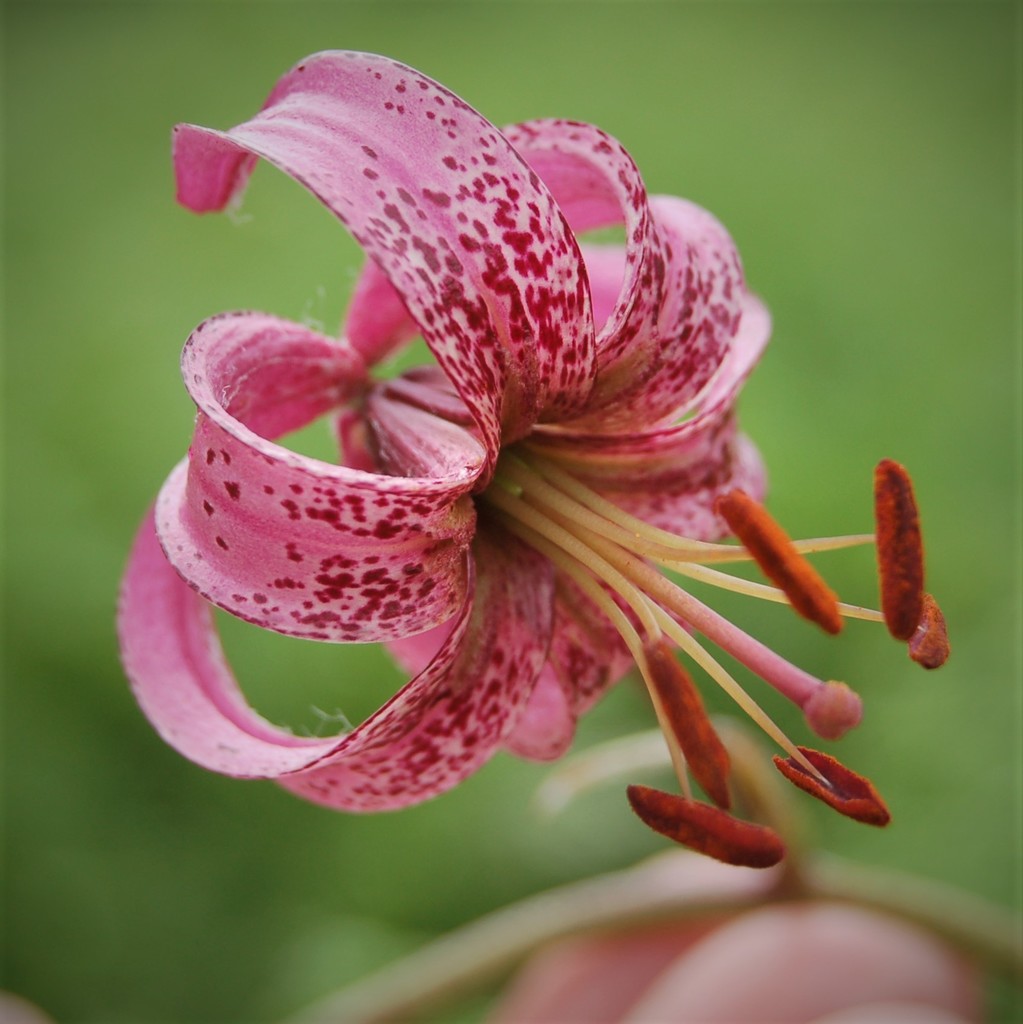
Licensed reference(c) Alexander Dubynin, some rights reserved (CC BY) · cc-by
—observations
—countries
—peak records
Not EvaluatedConservation statusIUCN Red List categoriesLCNTVUENCREWEXNot Evaluated — not placed on the risk ladderRed List categories, explained →
Diet & prey
- Sunlight, water, and soil nutrients
Predators
- Lily Leaf Beetle
- Deer
- Voles
ThreatsLily leaf beetles, viral infections, and bulb rot
HabitatsGardens, parks, meadows, and temperate forest edges
Life spanPerennial (bulbs can live and propagate for decades)
Size / weightNot available
Classification
- OrderLiliales
- FamilyLiliaceae
- GenusLilium
- Specieslilium hybrid
Range data is not available yet.
Interaction riskHigh
- Low
- Moderate
- High
- Very high
- Why interaction risk is high
- Highly toxic to cats; keep pets away and seek immediate veterinary care if ingested.
- Why it is dangerous
- Contains unidentified systemic toxins that cause acute, fatal kidney failure in cats, even in extremely small amounts like pollen or vase water.
- How to recognize a risky encounter
- Look for large, six-petaled trumpet or star-shaped flowers with prominent, pollen-heavy stamens rising from upright, leafy stems.
- What to do
- Wear gloves when handling if you have sensitive skin, and ensure cats have absolutely no access to any part of the plant.
Responsible observation
- Pollen removal: Snip the pollen-bearing anthers to prevent staining on clothing and petals.
- Pet safety: Keep these plants completely out of reach of domestic cats, as even pollen can cause kidney failure.
- Deadheading: Remove faded flowers to prevent seed production and redirect energy back into the bulb.
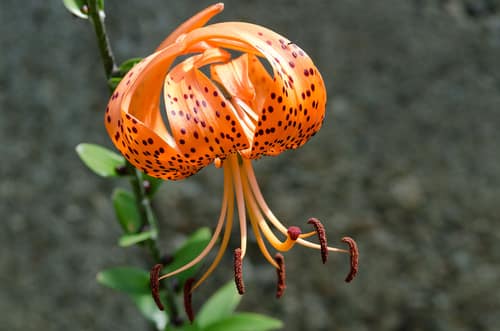
Parent Species Amada44 / CC BY-SA 3.0 · cc-by-sa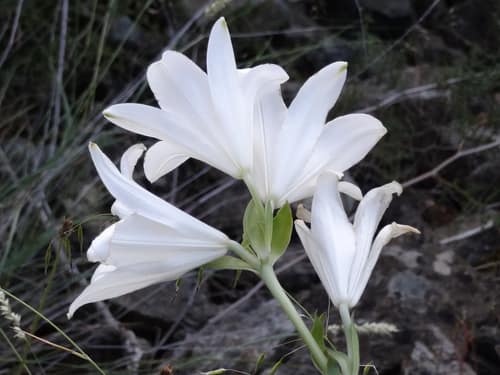
Parent Species (c) Kostas Zontanos, some rights reserved (CC BY), uploaded by Kostas Zontanos · cc-by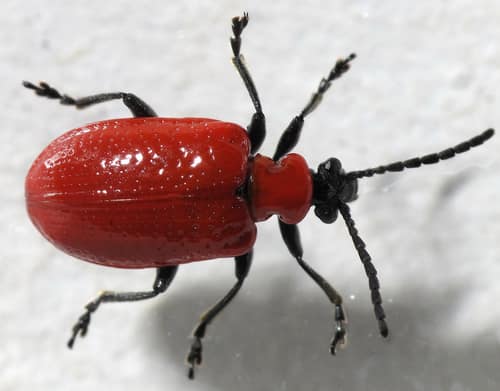
Herbivore (c) IES MANUEL GARCÃA BARROS A ESTRADA- PONTEVEDRA, some rights reserved (CC BY-SA) · cc-by-sa
Help improve the field guideSomething wrong?
Checking your Fauna account…Report a name, category, or profile issue for review.