
Invertebrate
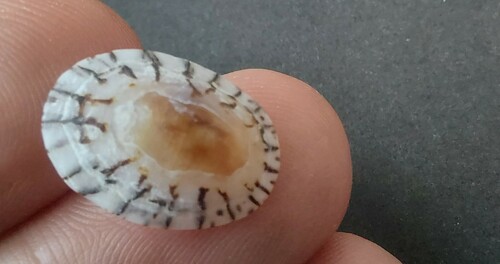
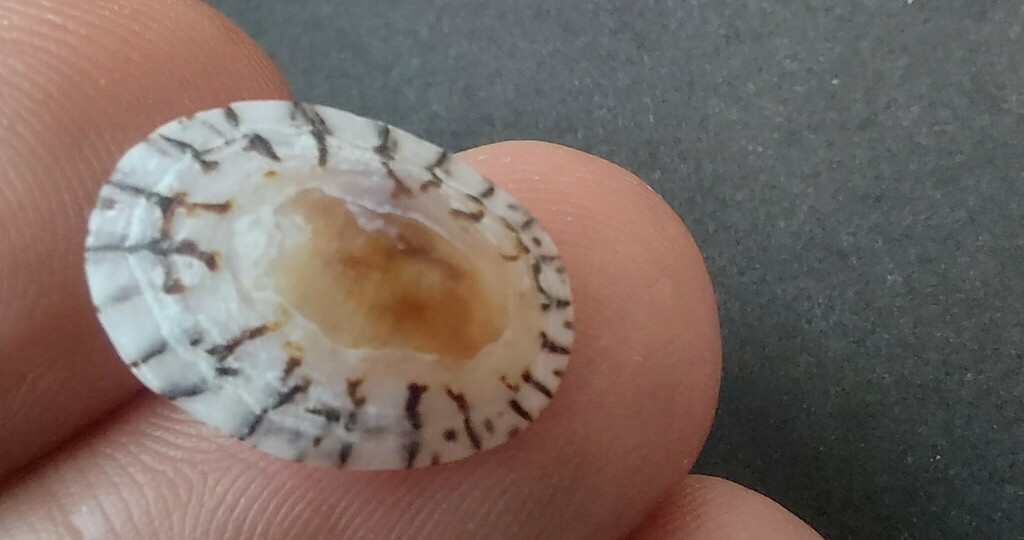
Mexican Striped Limpet
Lottia fascicularisAlso known as Striped Limpet
Mexican striped limpets cling tightly to wave-swept rocky shores, using a powerful muscular foot to resist the immense mechanical force of crashing surf. During high tide or damp nighttime hours, they creep slowly across boulder surfaces to scrape biofilm and microscopic algae from the stone using a hardened radula. As the tide recedes, each individual returns to its specific home depression on the rock face to form an airtight seal that prevents desiccation.
IntertidalMolluskHerbivore
—observations
—countries
—peak records
Not EvaluatedConservation statusIUCN Red List categoriesLCNTVUENCREWEXNot Evaluated — not placed on the risk ladderRed List categories, explained →
Diet & preyBenthic diatoms, Green microalgae, Encrusting coralline algae
Predators
- Black Oystercatcher
- Ochre Sea Star
- Shore crabs
ThreatsCoastal development, ocean acidification, and sea surface warming
HabitatsWave-exposed rocky intertidal zones and tide pools
Life span5–15 years
Classification
- FamilyLottiidae
- GenusLottia
- SpeciesLottia fascicularis
Range data is not available yet.
Interaction riskLow
- Low
- Moderate
- High
- Very high
- Why interaction risk is low
- Safe to observe at a normal distance.
Responsible observation
- Tread carefully: Watch footing on slippery rocks and avoid stepping directly on exposed shells.
- Do not pry: Never force limpets off rocks, as dislodging them tears their muscular foot and is fatal.
- Tide awareness: Plan visits around low tide while always keeping an eye on rising waves.
 Image unavailable
Same Genus 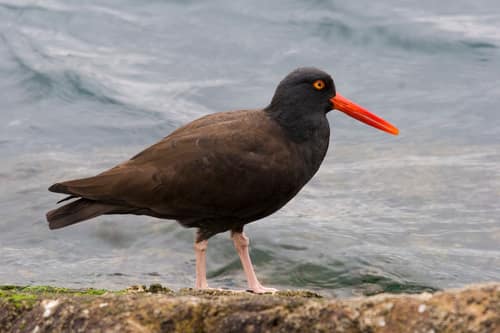
Predator (c) Mike Baird, some rights reserved (CC BY) · cc-bySame Genus 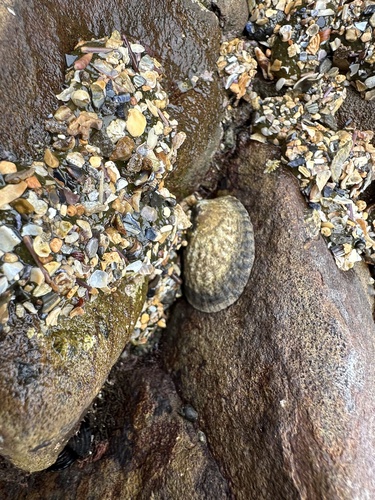
Close Relative (c) arya natarajan, some rights reserved (CC BY) · cc-by
Help improve the field guideSomething wrong?
Checking your Fauna account…Report a name, category, or profile issue for review.