
Invertebrate
Sea Bunny
Jorunna parvaAlso known as Bunny Slug, Japanese Sea Bunny
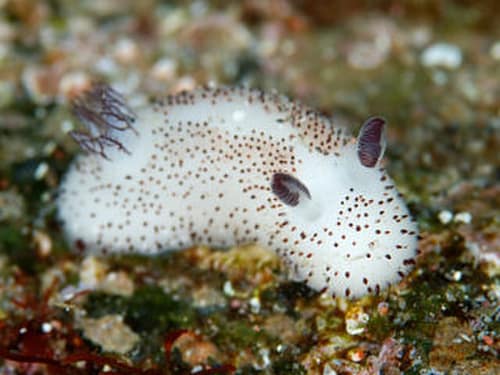
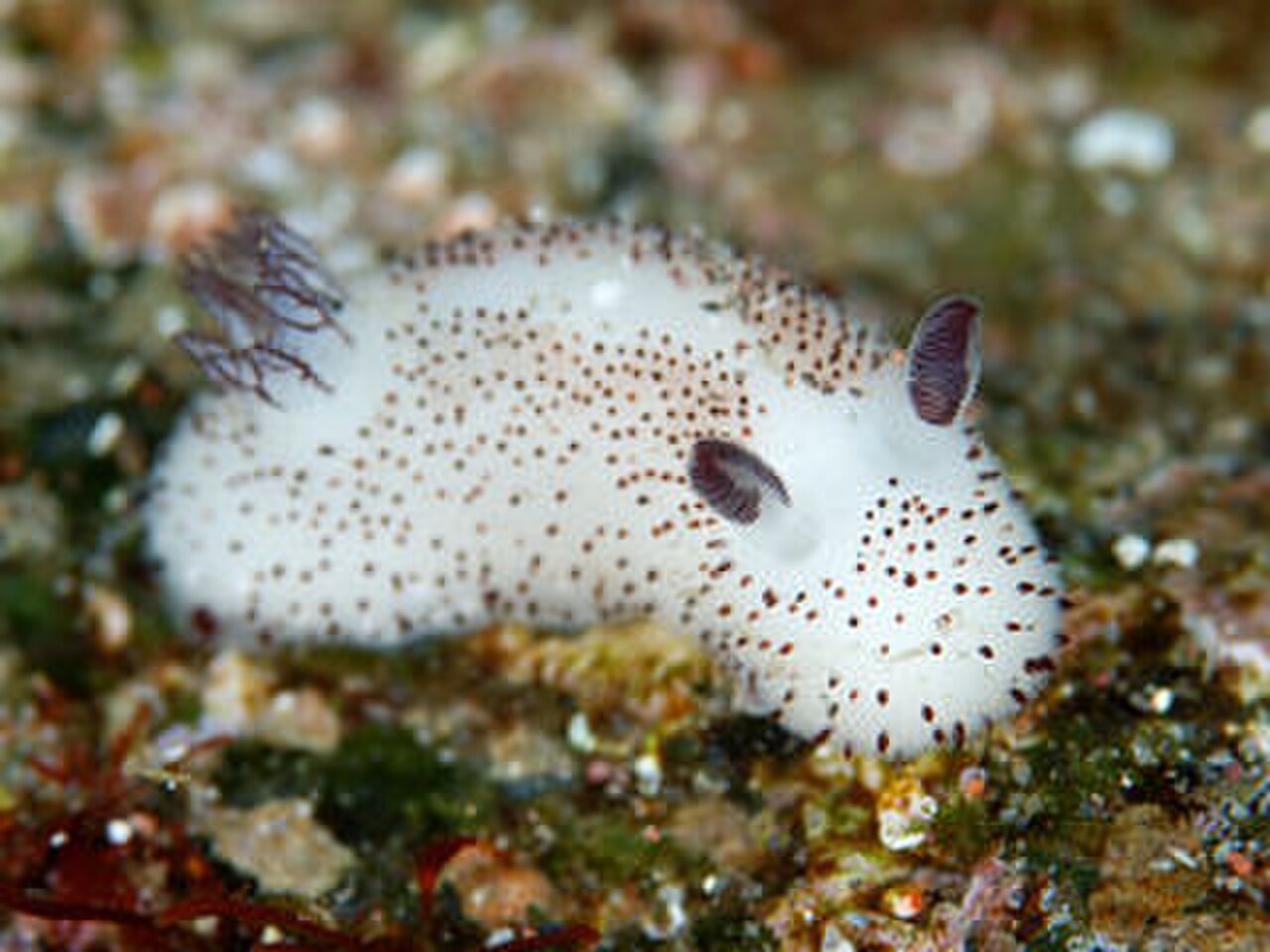
Tiny sensory rhinophores resembling rabbit ears crown the head, tasting the surrounding water for chemical scent trails left by prey and mates. Across its back, dense rod-like structures called caryophyllidia give the slug a soft, furry texture while providing tactile sensing and defensive spicules. As simultaneous hermaphrodites, both individuals exchange sperm during mating encounters and deposit intricate egg ribbons across rocky seabed surfaces.
MarineBenthicCamouflaged
—observations
—countries
—peak records
Not EvaluatedConservation statusIUCN Red List categoriesLCNTVUENCREWEXNot Evaluated — not placed on the risk ladderRed List categories, explained →
Diet & preyEncrusting sponges, Demosponges
Predators
- Carnivorous sea slugs
- Crabs
- Wrasses
ThreatsCoral reef degradation, warming sea temperatures, ocean acidification, and sedimentation
HabitatsCoral reefs, rocky subtidal zones, and shallow coastal waters
Life span6–12 months
Classification
- FamilyDiscodorididae
- SpeciesJorunna parva
Range data is not available yet.
Interaction riskLow
- Low
- Moderate
- High
- Very high
- Why interaction risk is low
- Safe to observe at a normal distance while diving or snorkeling.
Responsible observation
- Buoyancy Control: Maintain neutral buoyancy while taking macro photos to avoid damaging delicate reef structures.
- Hands-Off Policy: Never lift or touch the animal, as physical handling strips its protective mucus layer.
- Search Strategy: Inspect shaded rock crevices and sponge-covered reef overhangs during daytime dives.
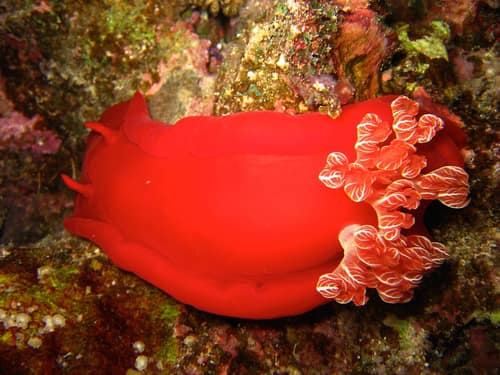
Reef Companion "Spanish Dancer" by DrTH80 is licensed under CC BY 2.0. To view a copy of this license, visit https://creativecommons.org/licenses/by/2.0/. · cc-by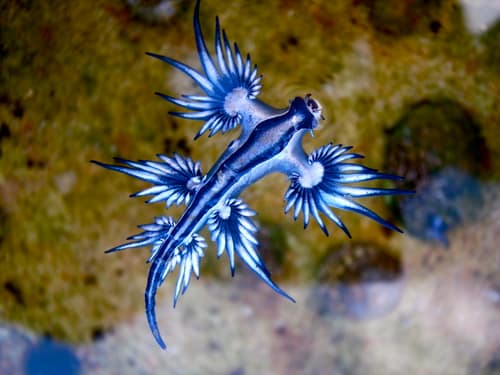
Taxonomic Cousin (c) Sylke Rohrlach, some rights reserved (CC BY-SA) · cc-by-sa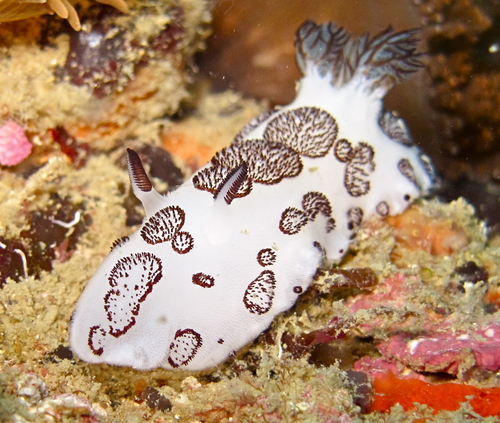
Close Relative (c) Tine Kinn Kvamme, some rights reserved (CC BY), uploaded by Tine Kinn Kvamme · cc-by
Help improve the field guideSomething wrong?
Checking your Fauna account…Report a name, category, or profile issue for review.