
Plant
European Goldenrod
Solidago virgaureaAlso known as Woundwort, Common Goldenrod, Golden Rod
European goldenrod lights up temperate woodlands, grasslands, and rocky slopes with bright yellow terminal inflorescences from mid-summer into autumn. Deeply rooted in European herbal traditions where it was historically known as woundwort, this tough perennial supports a vast array of native pollinators, including hoverflies, solitary bees, and late-season butterflies. Its dense clusters of composite flower heads yield tiny wind-dispersed seeds that sustain granivorous birds through the winter months.
PerennialYellow FlowersPollinator Magnet
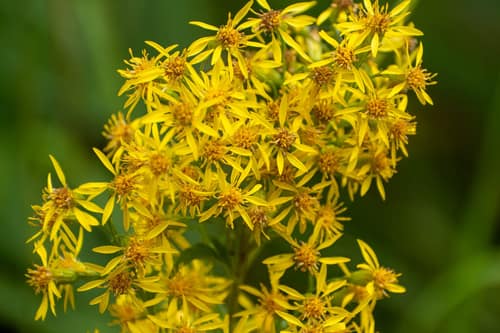
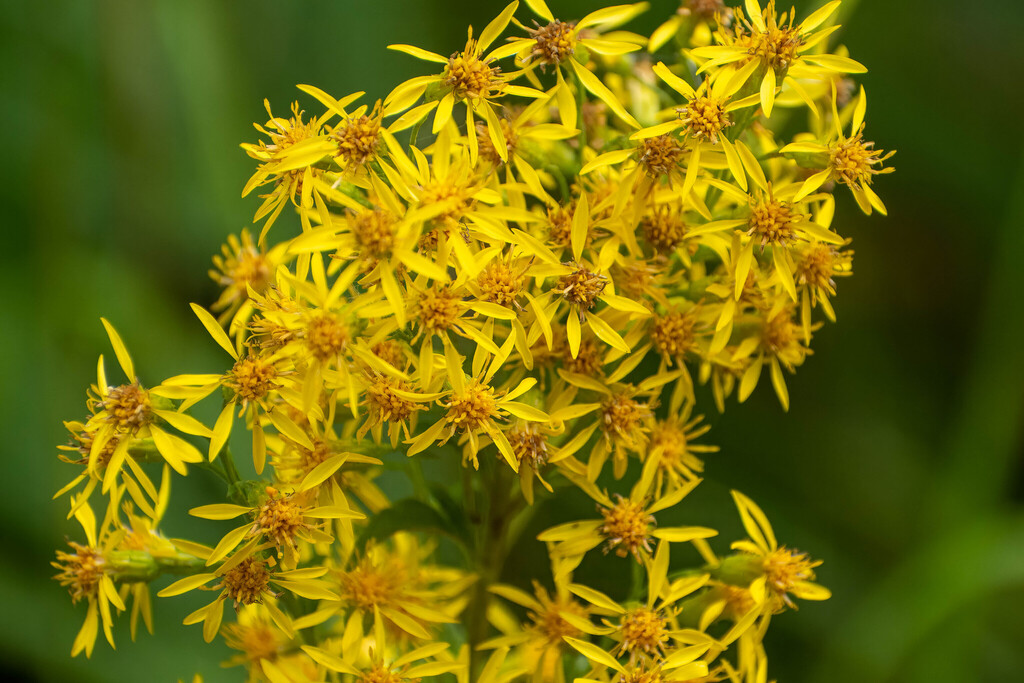
—observations
—countries
—peak records
Least ConcernConservation statusIUCN Red List categoriesLCNTVUENCREWEXLeast ConcernRed List categories, explained →
Diet & preySunlight, Water, Soil Nutrients
Predators
- Deer
- Aphids
- Caterpillars
ThreatsHabitat Loss, Agricultural Intensification, Invasive Plant Competition
HabitatsBroadleaf Woodlands, Grasslands, Meadows, Rocky Slopes
Life spanPerennial (10+ years)
Classification
- FamilyAsteraceae
- SpeciesSolidago virgaurea
Range data is not available yet.
Interaction riskLow
- Low
- Moderate
- High
- Very high
- Why interaction risk is low
- Safe to observe at a normal distance.
Responsible observation
- Observation timing: Visit on warm late-summer afternoons to spot diverse native bees and hoverflies feeding.
- Identification: Look for erect stems topped with leafy dense clusters of bright yellow flower heads.
- Garden cultivation: Plant in well-drained soil in full sun or light shade to attract beneficial insects.
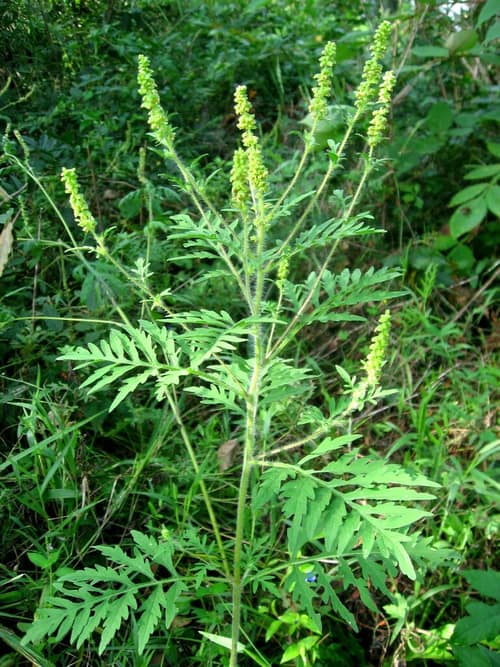
Frequent Look-alike (c) Qwert1234, some rights reserved (CC BY-SA) · cc-by-sa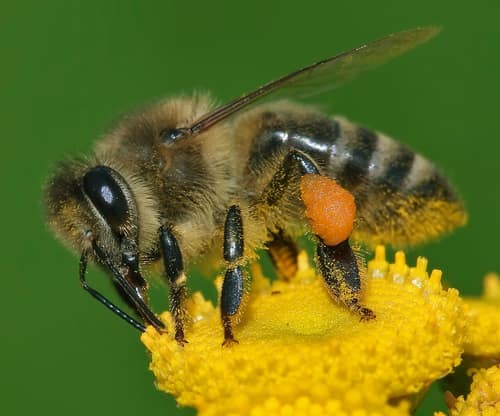
Pollinator Andreas Trepte / CC BY-SA 2.5 · cc-by-sa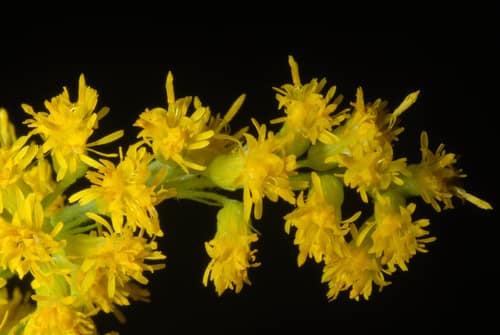
Invasive Relative (c) Douglas Goldman, some rights reserved (CC BY-SA), uploaded by Douglas Goldman · cc-by-sa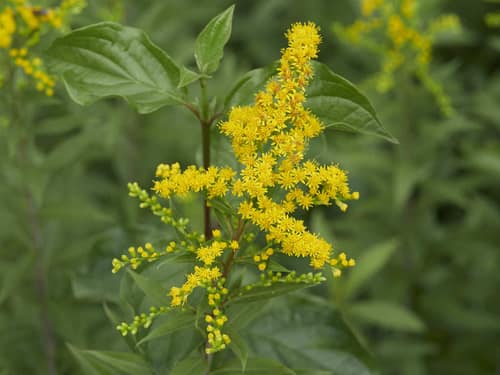
Close Relative (c) Andreas Stiller, some rights reserved (CC BY), uploaded by Andreas Stiller · cc-by
Help improve the field guideSomething wrong?
Checking your Fauna account…Report a name, category, or profile issue for review.