
Plant
Syringa microphylla
Syringa microphyllaAlso known as Little-leaf Lilac, Small-leaved Lilac
Littleleaf lilacs are dense, mound-forming shrubs celebrated for their clouds of slender, sweetly perfumed tubular flowers. Native to the sunny, rocky slopes and montane thickets of northern and central China, they provide essential nectar to swallowtail butterflies and solitary bees. Unlike their larger broad-leaved relatives, they sport delicate rounded foliage and often produce a welcome second flush of blossoms in late summer.
Deciduous ShrubFragrantFlowering
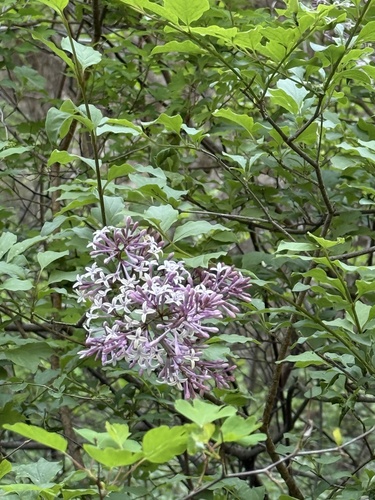
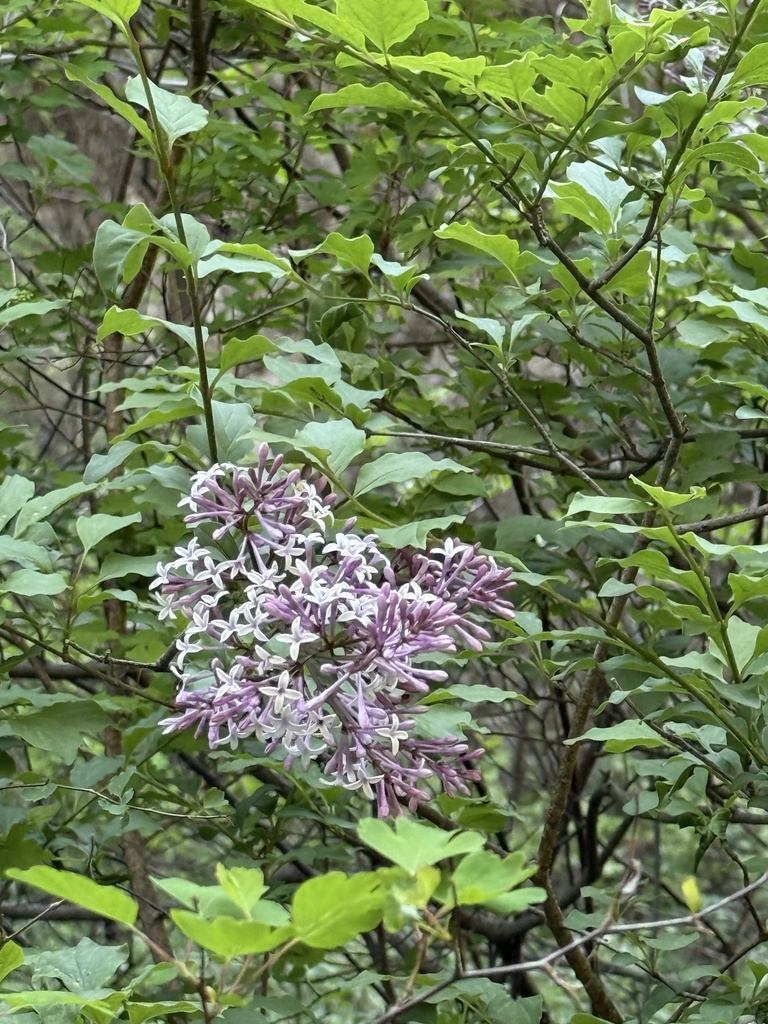
—observations
—countries
—peak records
Not EvaluatedConservation statusIUCN Red List categoriesLCNTVUENCREWEXNot Evaluated — not placed on the risk ladderRed List categories, explained →
Diet & preyPhotosynthetic autotroph
Predators
- Roe Deer
- Lilac Borer Larvae
- Lilac Leafminer Caterpillars
ThreatsHabitat clearing, livestock grazing, prolonged severe droughts
HabitatsRocky mountain slopes, open brushlands, forest edges, valleys
Life span30–50 years
Classification
- OrderLamiales
- FamilyOleaceae
- GenusSyringa
- SpeciesSyringa microphylla
Range data is not available yet.
Interaction riskLow
- Low
- Moderate
- High
- Very high
- Why interaction risk is low
- Safe to observe at a normal distance.
Responsible observation
- Pollinator Watching: Visit open blooms on warm afternoons to spot feeding swallowtails and bumblebees.
- Pruning: Remove spent flower clusters directly after spring bloom to protect future buds.
- Light Requirements: Seek out bushes positioned in full sunlight for the densest seasonal flower displays.
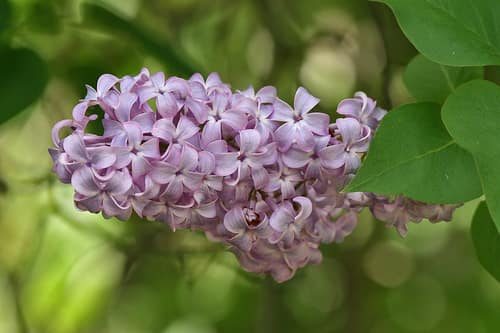
Same Genus Jjron / CC BY-SA 3.0 · cc-by-sa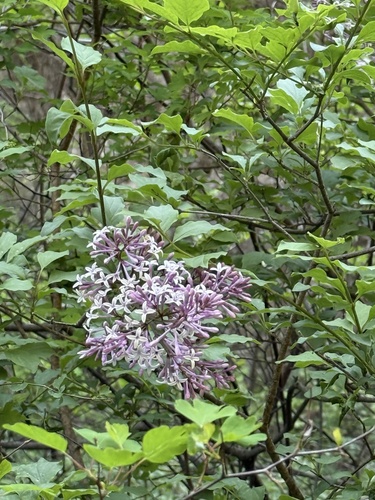
Same Genus (c) Jane Charlen, some rights reserved (CC BY) · cc-by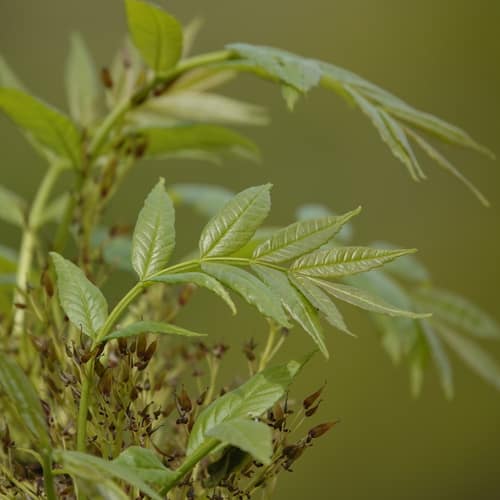
Same Family (c) Jais Knudsen, some rights reserved (CC BY), uploaded by Jais Knudsen · cc-by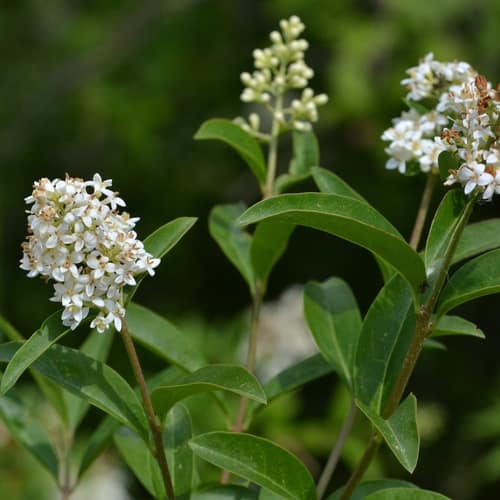
Same Family (c) Petr Harant, some rights reserved (CC BY), uploaded by Petr Harant · cc-by
Help improve the field guideSomething wrong?
Checking your Fauna account…Report a name, category, or profile issue for review.