
Plant
Wild Thyme
Thymus serpyllumAlso known as Breckland Thyme, Creeping Thyme, Elfin Thyme, Mother of Thyme
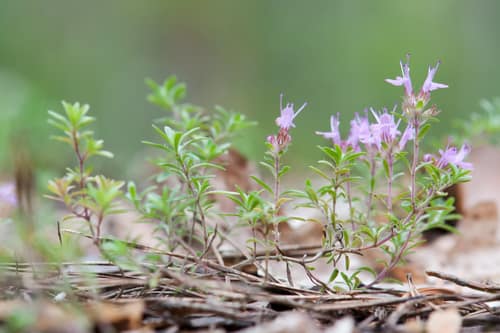
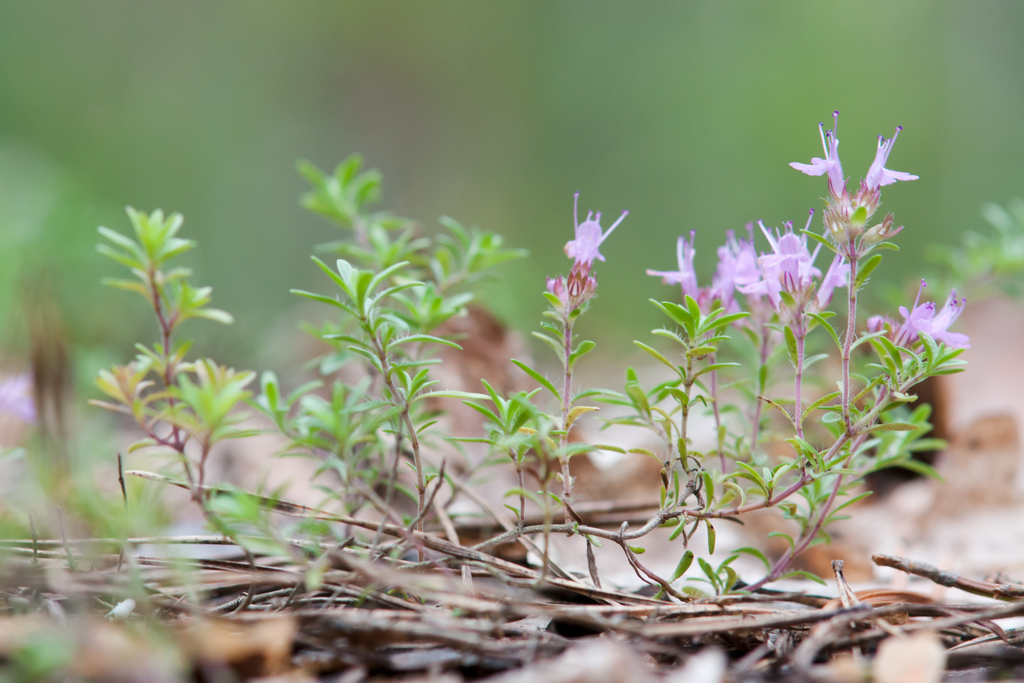
Wild thyme forms dense, low-growing mats across dry, sunny grasslands and heathlands, releasing a pungent herbal aroma when bruised or trodden upon. During midsummer, these sprawling carpets erupt into clusters of vivid pink to magenta flowers that hum with the activity of foraging bees and butterflies. Highly adapted to poor, stony soils and drought, its wiry creeping stems root at the nodes to steadily stabilize loose ground.
AromaticGround CoverFlowering
—observations
—countries
—peak records
Least ConcernConservation statusIUCN Red List categoriesLCNTVUENCREWEXLeast ConcernRed List categories, explained →
Diet & preyPhotoautotrophic (sunlight, water, atmospheric carbon dioxide)
Predators
- Grazing sheep
- Rabbits
- Herbivorous insect larvae
ThreatsHabitat loss from agricultural improvement, scrub encroachment, overgrowth by taller vegetation
HabitatsDry heathlands, sandy grasslands, rocky outcrops, chalk downs
Life span5–10 years
Classification
- OrderLamiales
- FamilyLamiaceae
- GenusThymus
- SpeciesThymus serpyllum
Range data is not available yet.
Interaction riskLow
- Low
- Moderate
- High
- Very high
- Why interaction risk is low
- Safe to observe at a normal distance.
Responsible observation
- Aroma Check: Gently brush the foliage with your fingertips to release the characteristic herbal oils without tearing the stems.
- Pollinator Watching: Visit dense flowering patches during warm midday sun to observe solitary bees and small butterflies.
- Tread Carefully: Watch your footing on exposed rocky bluffs and dry heaths to avoid dislodging creeping root nodes.
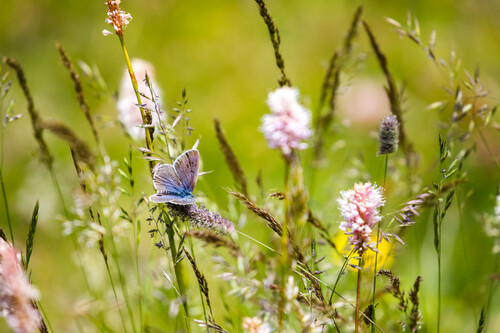
Pollinator (c) Melissa McMasters, some rights reserved (CC BY) · cc-by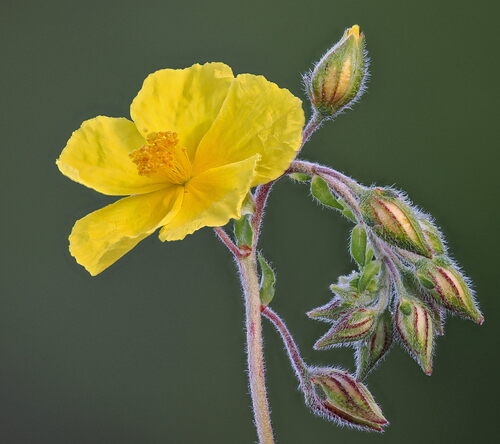
Frequent Companion (c) Gilles San Martin, some rights reserved (CC BY-SA), uploaded by Gilles San Martin · cc-by-sa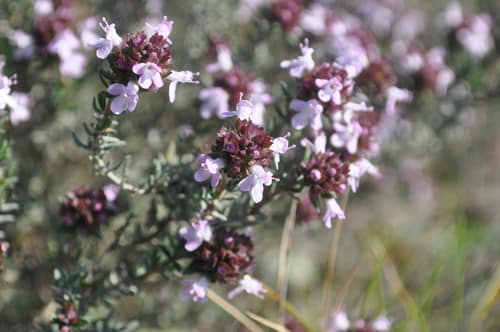
Close Relative (c) Josep Gesti, some rights reserved (CC BY-SA), uploaded by Josep Gesti · cc-by-sa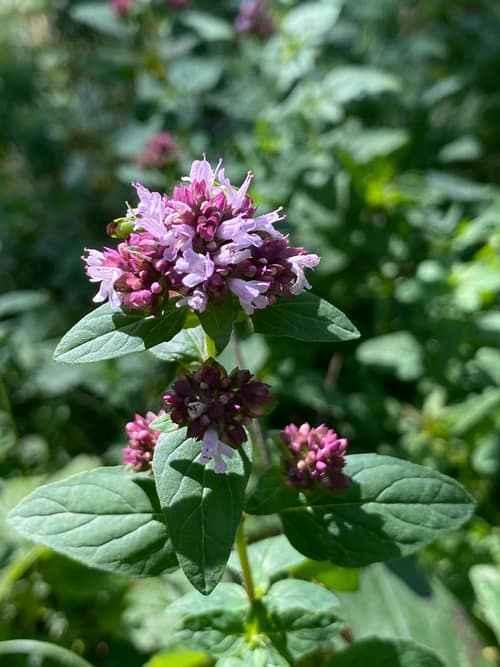
Same Family (c) Thomas Dreux, some rights reserved (CC BY), uploaded by Thomas Dreux · cc-by
Help improve the field guideSomething wrong?
Checking your Fauna account…Report a name, category, or profile issue for review.