
Flower
Water Smartweed
Persicaria amphibiaAlso known as Longroot Smartweed, Water Knotweed, Amphibious Bistort
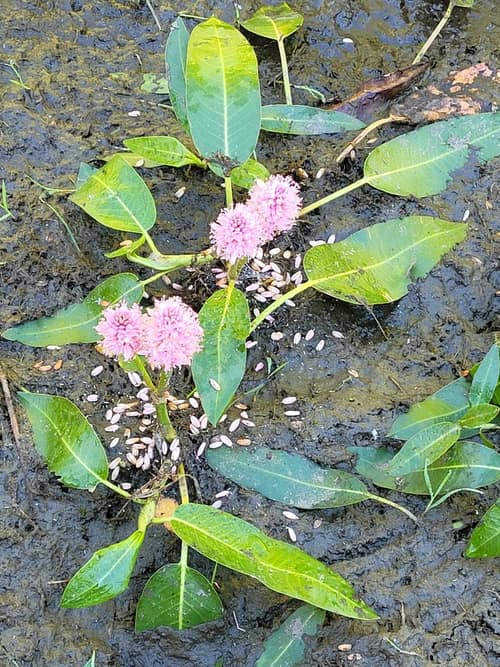
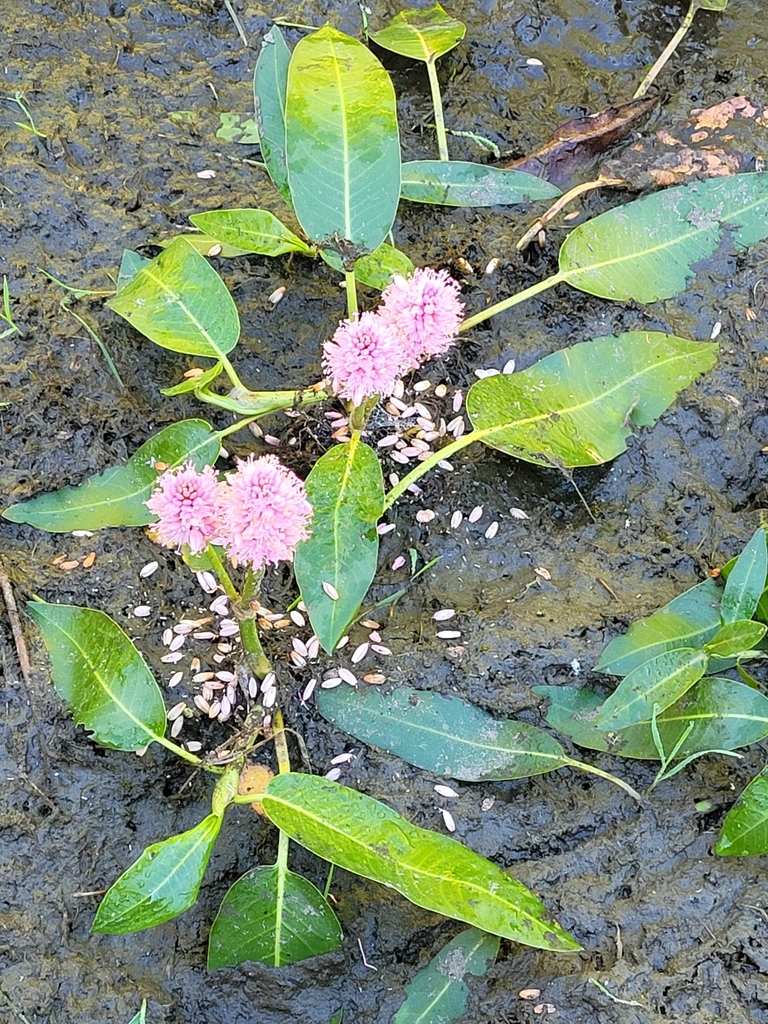
Water smartweed morphs dramatically depending on whether it grows submerged in ponds or on muddy shorelines. Aquatic forms sprout smooth, glossy floating leaves and erect pink flower spikes that rise above the surface, while terrestrial forms develop hairy stems and upright foliage. Deep rhizome networks anchor colonies in muddy substrates, providing crucial habitat for fish fry and aquatic larvae.
AquaticPerennialPink Flowers
—observations
—countries
—peak records
Least ConcernConservation statusIUCN Red List categoriesLCNTVUENCREWEXLeast ConcernRed List categories, explained →
Diet & preyAutotrophic (Photosynthesis)
Predators
- Waterfowl
- Muskrats
- Leaf Beetles
ThreatsHabitat drainage, aquatic herbicide exposure
HabitatsLakes, ponds, marshes, ditches, mudflats
Life spanPerennial
Classification
- OrderCaryophyllales
- FamilyPolygonaceae
- GenusPersicaria
- SpeciesPersicaria amphibia
Range data is not available yet.
Interaction riskLow
- Low
- Moderate
- High
- Very high
- Why interaction risk is low
- Safe to observe at a normal distance.
Responsible observation
- Morphology Check: Examine whether leaves float smoothly on water or stand upright with hairs on land.
- Seasonal Bloom: Look for dense pink flower spikes projecting above calm waters from summer to autumn.
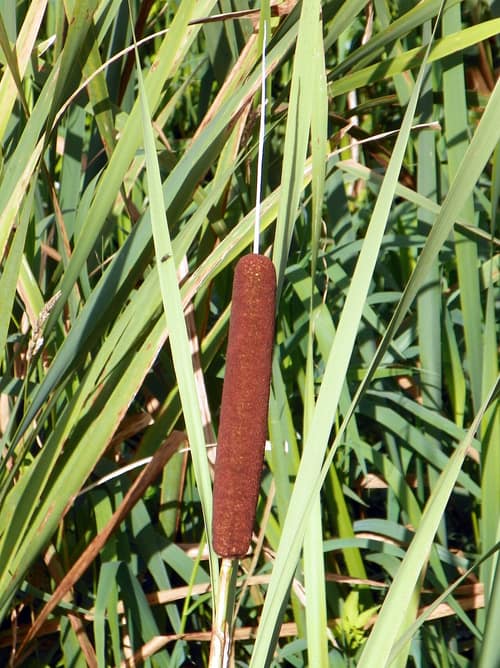
Frequent Companion Peter O'Connor aka anemoneprojectors from Stevenage, United Kingdom / CC BY-SA 2.0 · cc-by-sa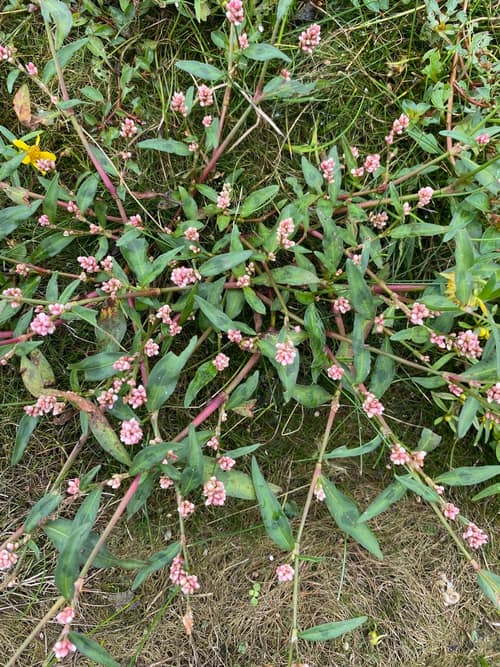
Close Relative no rights reserved, uploaded by Pam Martin · cc0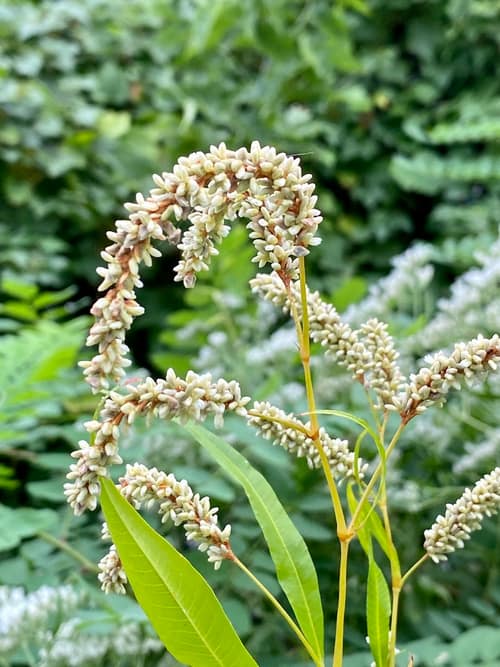
Close Relative (c) Sandy Wolkenberg, some rights reserved (CC BY), uploaded by Sandy Wolkenberg · cc-by
Help improve the field guideSomething wrong?
Checking your Fauna account…Report a name, category, or profile issue for review.