
Plant · GBIF taxon 6381277
Tree Cholla
Cylindropuntia imbricataAlso known as Cane Cholla, Chain-Link Cactus, Walking Stick Cholla, Vela de Coyote
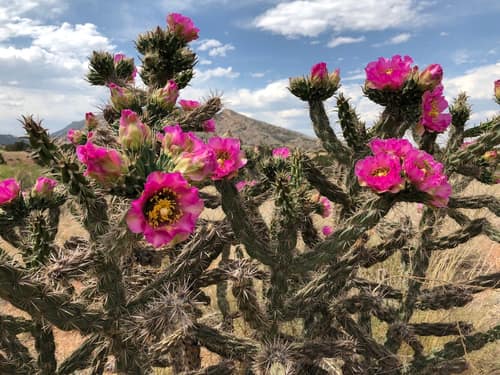
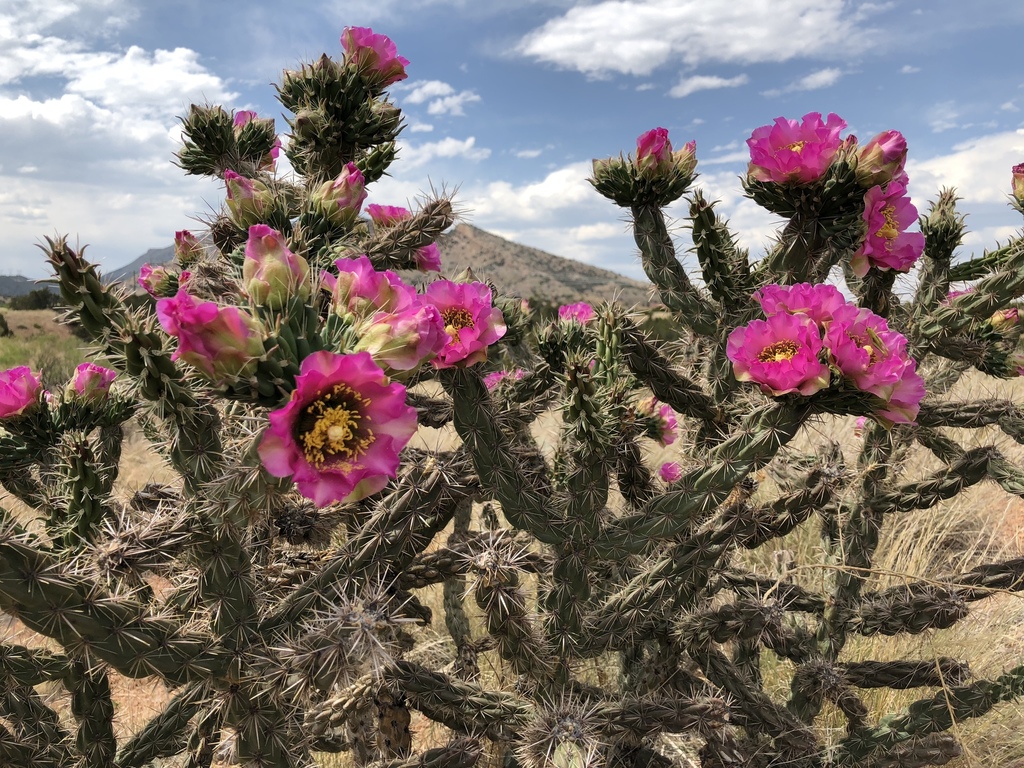
Tree cholla forms impressive shrubby or tree-like thickets across Southwestern deserts, characterized by cylindrical jointed stems with prominent diamond-shaped ridges. Vibrant magenta blossoms crown the stem tips in late spring, giving way to persistent, bright yellow fruit that persists well into winter. The intricate, hollow lace-patterned wood left behind when stems die is a signature feature of North American arid landscapes.
SpinyDesertFlowering
—observations
—countries
—peak records
Least ConcernConservation statusIUCN Red List categoriesLCNTVUENCREWEXLeast ConcernRed List categories, explained →
Diet & prey
- Autotrophic
ThreatsHabitat fragmentation, brush clearing, overgrazing
HabitatsArid grasslands, desert scrub, pinyon-juniper woodlands
Life span30–50 years
Classification
- OrderCaryophyllales
- FamilyCactaceae
- GenusCylindropuntia
- SpeciesCylindropuntia imbricata
Range data is not available yet.
Interaction riskLow
- Low
- Moderate
- High
- Very high
- Why interaction risk is low
- Barbed spines cause painful punctures; keep a safe distance and never eat wild plants based on app identification.
- Why it is dangerous
- Microscopic backward-facing barbs on the spines latch tightly into skin, causing painful mechanical puncture and tissue damage.
- How to recognize a risky encounter
- Recognizable by tree-like branching form, prominent diamond-like ridges along cylindrical joints, and long yellowish fruit.
- What to do
- Maintain a wide berth on trails, and use heavy leather gloves or pliers if removing detached spine segments.
Responsible observation
- Trail Clearance: Give spiny joint segments a wide berth, as loose stem joints easily detach and cling to shoes or clothing.
- Spring Flowers: Look for stunning magenta-pink blooms that crown the upper stem tips from late spring into early summer.
- Skeletal Remains: Observe dead fallen stems to see the intricate, hollow wooden lattice historically used to make walking canes.
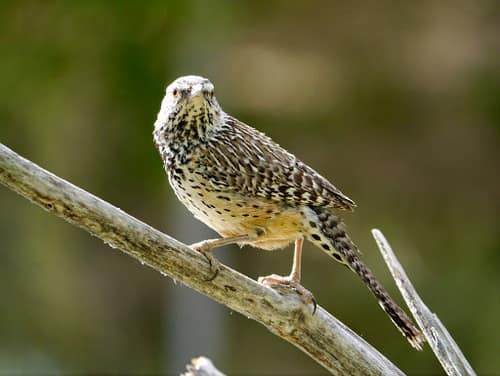
Nesting Partner (c) 116916927065934112165, some rights reserved (CC BY), uploaded by 116916927065934112165 · cc-by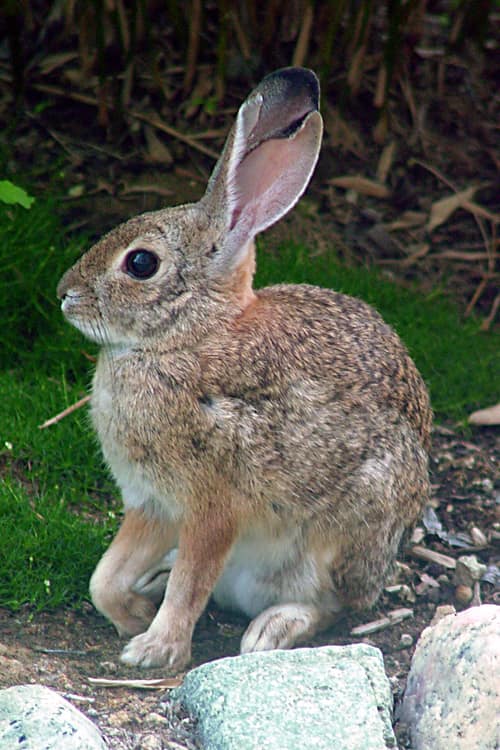
Shelter Seeker Holly Cheng / CC BY-SA 3.0 · cc-by-sa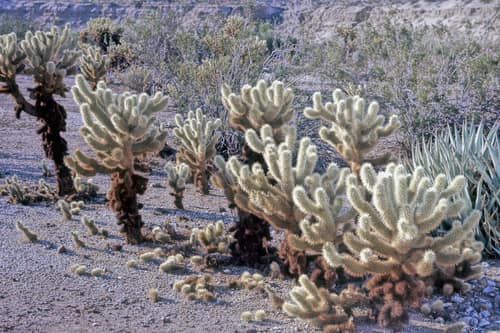
Close Relative (c) Drepanostoma, some rights reserved (CC BY), uploaded by Drepanostoma · cc-by Image unavailable
Close Relative
Help improve the field guideSomething wrong?
Checking your Fauna account…Report a name, category, or profile issue for review.